Kenyans could soon be required to adjust to tighter tax filing timelines under new proposals by the Treasury, which seeks to speed up nil return submissions and strengthen verification of tax records.
The changes, proposed under the Finance Bill 2026, are part of broader efforts to improve tax administration, close loopholes, and give the tax authority more time to verify returns before the start of a new financial year.
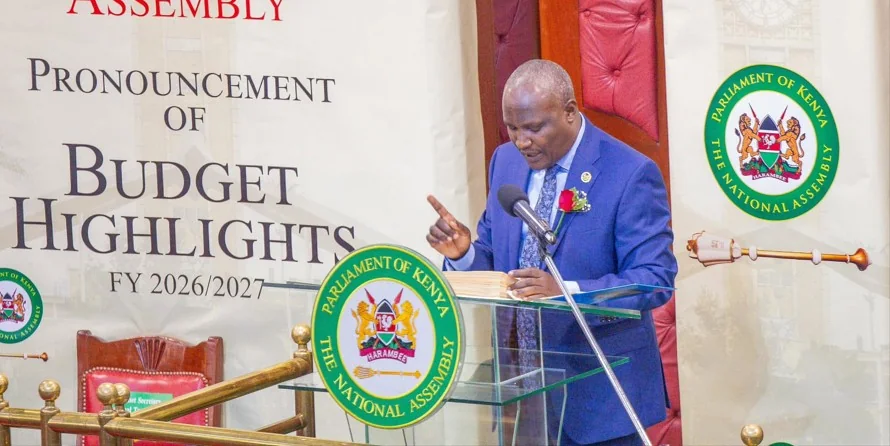
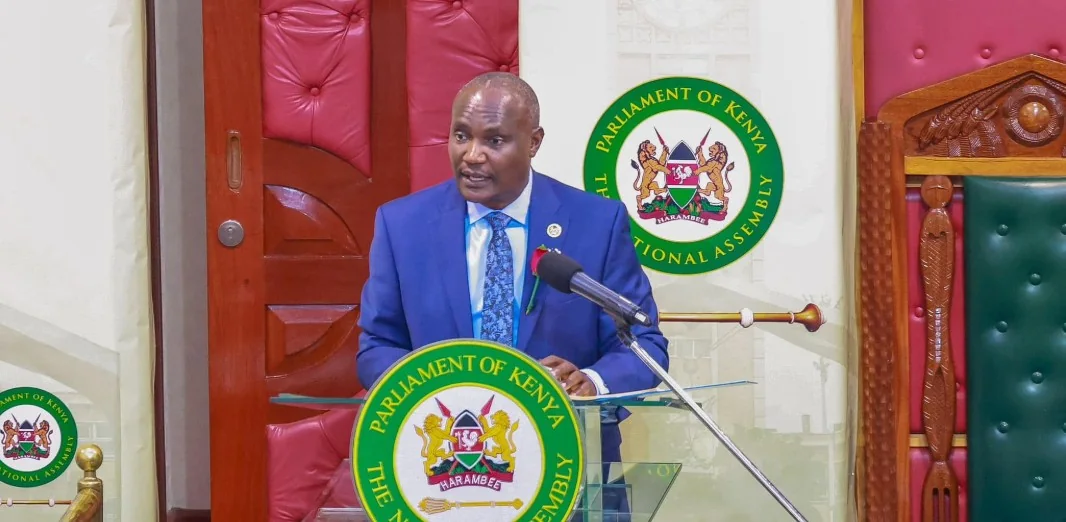
Treasury Cabinet Secretary John Mbadi said the current system does not provide enough time for proper scrutiny of filed returns before a new financial cycle begins.
“Currently, the deadline for filing tax returns is June 30 of every year for all categories of income, which leaves no room for verification and validation of filed returns before the commencement of another financial year,” Mbadi said on Thursday before Parliament.
He noted that the government wants to fix this gap by changing the timelines for filing.
“To provide sufficient time for verification and validation of returns, I propose revisions to the timelines for filing individual income tax returns,” he said.
Under the proposed reforms, taxpayers submitting nil returns would be required to file them within one month after the end of the income year.
Individuals whose income is fully taxed at source, including salaried workers earning only employment income, would file within four months after the end of the income year, while all other taxpayers would continue filing by June 30.
The changes are expected to affect millions of Kenyans who currently file nil returns annually as part of their tax compliance obligations.
Beyond filing deadlines, the Treasury is also targeting gaps in taxation involving cross-border transactions linked to Kenyan assets.
Mbadi pointed out that some offshore deals involving local assets are not being taxed under the current framework.
“Currently, gains arising from offshore transfers where the value of the transferred shares is derived from assets located in Kenya are not taxed,” he said.
To address this, the proposed changes seek to ensure that any gains from the transfer of Kenyan assets are taxed regardless of where the transaction is carried out or the structure used.
The Treasury is also proposing new rules to deal with how companies retain profits over long periods without distributing them to shareholders. Mbadi said some firms are using retained earnings to delay tax obligations.
“When companies make profits, those profits should find their way back to shareholders within a reasonable time. Currently, some companies have been holding back their profits indefinitely simply to defer paying dividend tax. This is a loophole that needs to be addressed,” he said.
To close this gap, the budget proposes a minimum deemed dividend distribution threshold of 60 per cent of undistributed income, aimed at discouraging indefinite retention of earnings.
The government is also planning updates to tax laws to reflect rapid changes in digital business and cross-border transactions.
Mbadi said existing laws do not clearly define some modern payment and service structures.
“Rapid advances in technology have transformed the way businesses make payments, distribute software, and provide services across borders. However, the current Income Tax Act provisions do not clearly address the tax treatment of certain payments,” he said.
The amendments seek to clarify definitions of royalties, management fees and professional services to reduce uncertainty and improve tax compliance.
The Treasury has also proposed taxation of gambling winnings, citing the rapid growth of the sector, especially through online platforms. Mbadi said gambling income should be treated like any other taxable income.
“Gambling activities have grown significantly in recent years, particularly through digital platforms. While these are legitimate activities, winnings from gambling are income, and like any other income, they should be taxed,” he said.
The budget also proposes withholding tax on winnings from gambling, lotteries and prize competitions as part of efforts to expand the country’s tax base.














































Comments
Sign in with Google to comment, reply, and like comments.
Continue with Google