The government has prioritised the agricultural sector in the 2026/27 financial year budget, shielding key programmes from major spending cuts in a bid to sustain food production, improve farmer incomes and strengthen food security across the country.
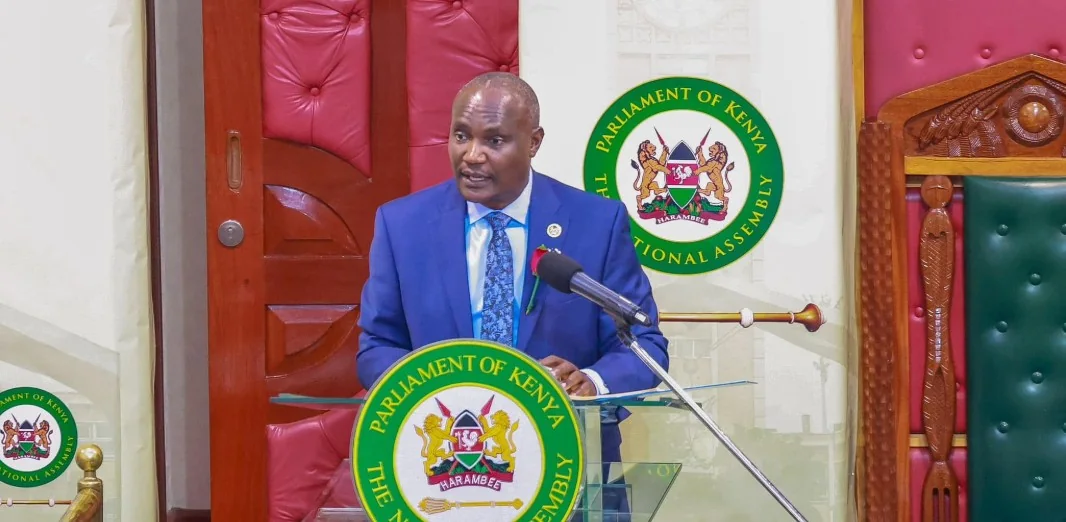
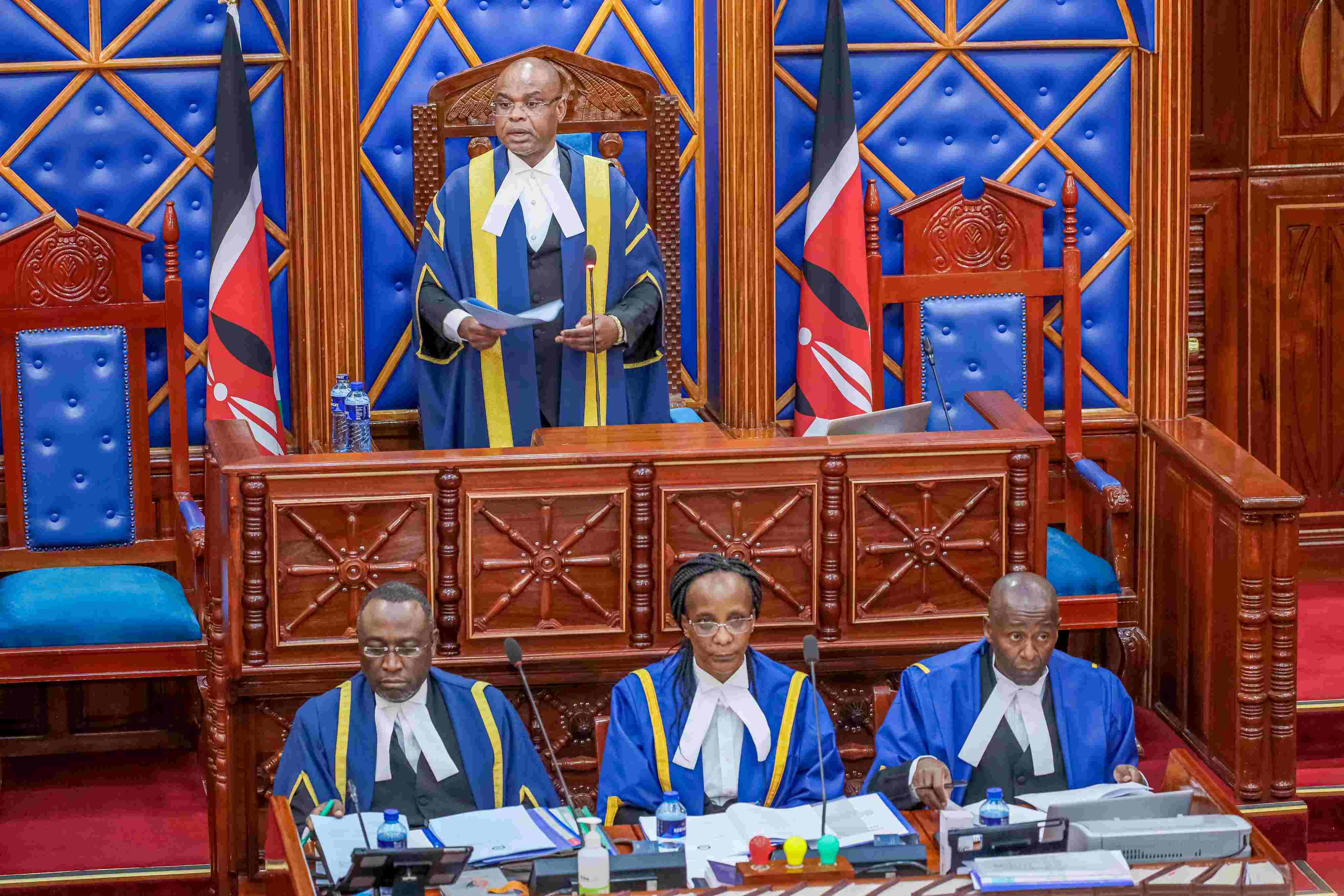
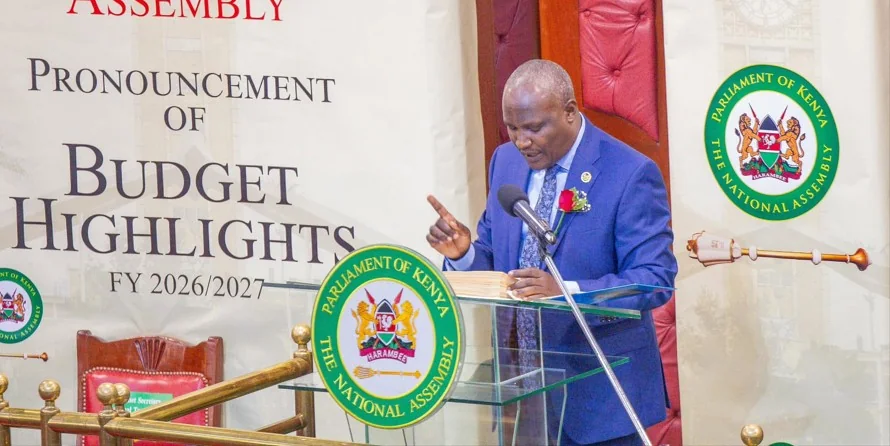
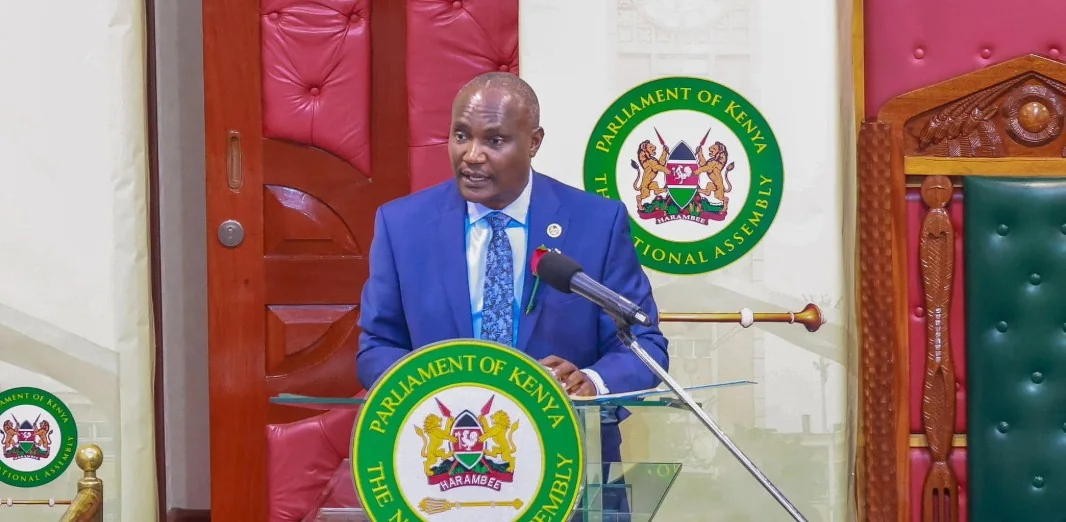
While presenting the 2026/27 Budget Statement before Parliament, Treasury Cabinet Secretary John Mbadi said agriculture remains central to the government’s economic agenda because of its role in supporting livelihoods, creating jobs and driving overall growth.
Mbadi said funding would continue for programmes that have driven higher agricultural output in recent years, noting that the sector has reduced reliance on food imports while helping stabilise prices.
To sustain momentum in food production, he announced that the fertiliser subsidy programme will continue receiving government support, with about Ksh18 billion allocated to help farmers access inputs and boost productivity.
The government has also set aside Sh2.5 billion for ongoing reforms in the sugar sector. The reforms are expected to improve efficiency in the industry, support farmers and raise sugar production across different regions.
Mbadi said investments in agriculture were already bearing fruit, with several value chains recording increased production and earnings over the past three years. He added that the rise in output had strengthened food security and contributed to lower food prices for consumers.
“The FY 2026/27 budget will prioritise interventions under the bottom-up agenda that promote private sector-led growth, expand employment and enhance delivery of public services while preserving fiscal sustainability and building resilience against emerging economic challenges,” said Mbadi.
He cited maize as one of the clearest examples of improved performance driven by government interventions, noting that higher local production and gains in efficiency had helped reduce the retail price of maize flour.
According to the Treasury, the average price of a two-kilogram packet of maize flour fell from Sh250 to Sh165 during the period under review, easing pressure on households.
Rice production also expanded over the same period, rising to 303,724 metric tonnes in 2025 from 192,299 metric tonnes in 2022. The increase was supported by the expansion of acreage under public irrigation schemes.
Treasury data shows that land under rice cultivation in these schemes grew from 48,324 acres to 71,624 acres over the period.
Potato production similarly recorded strong growth, increasing to 2.5 million tonnes in 2025 from 1.8 million tonnes in 2022.
The dairy sector also continued its upward trend, with milk production rising to 5.5 billion litres in 2025 from 4.6 billion litres in 2022.
Mbadi said the gains in production had gone beyond the farm gate, improving food availability, reducing import dependence and lifting farmer incomes.
“Production of milk has increased to 5.5 billion litres in 2025 from 4.6 billion litres in 2022. The increased production has improved food security, reduced dependence on food imports and contributed to more stable food prices and higher farmer incomes,” he said.
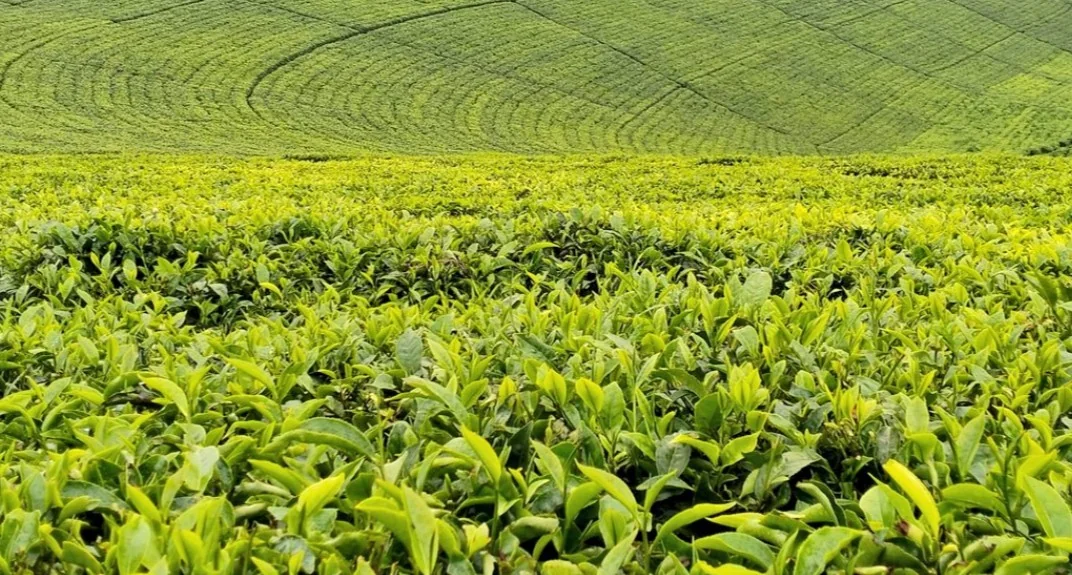
The Cabinet Secretary also pointed to progress in the tea sector, one of the country’s leading foreign exchange earners. Tea production rose to 550.4 million kilogrammes in 2025 from 535 million kilogrammes in 2022, while export earnings increased from Ksh163 billion to Ksh187 billion over the same period.
Support to the coffee subsector has also continued through seedling distribution programmes aimed at rejuvenating old plantations and expanding acreage in key growing regions.
Treasury figures indicate that 85,000 coffee seedlings were distributed in the 2023/24 financial year, rising sharply to 809,000 in 2024/25 and 3,127,769 in 2025/26.
A further 2,242,769 seedlings were distributed under the March–May 2026 long rains programme to support future production growth.
Mbadi said farmers across multiple value chains were benefiting from higher output and improved earnings as government interventions continued to reinforce sector growth.
The focus on agriculture comes as the government seeks to drive economic growth through stronger local production, improved food security and higher rural incomes.



































Comments
Sign in with Google to comment, reply, and like comments.
Continue with Google