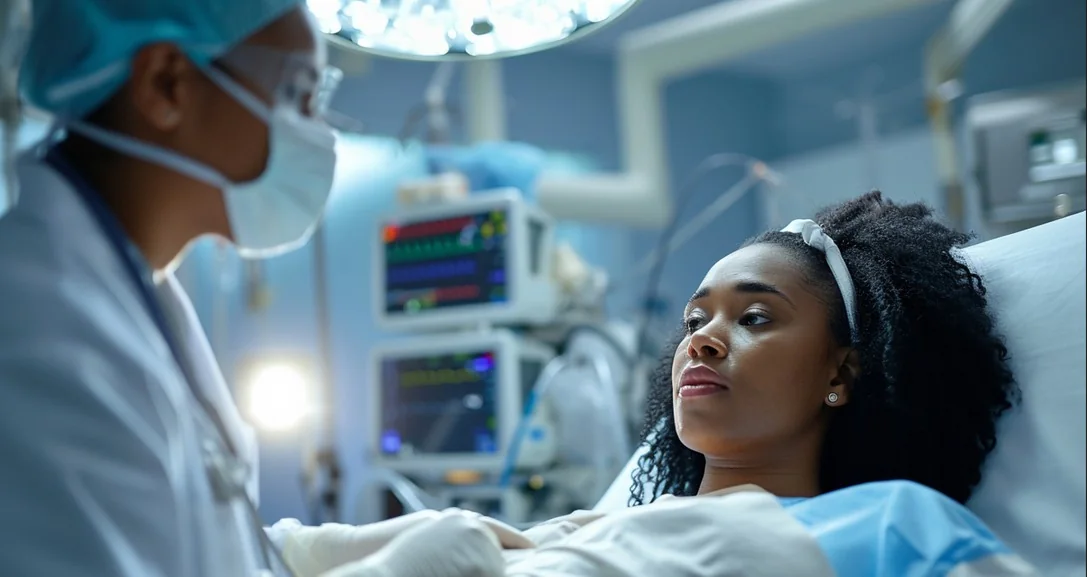
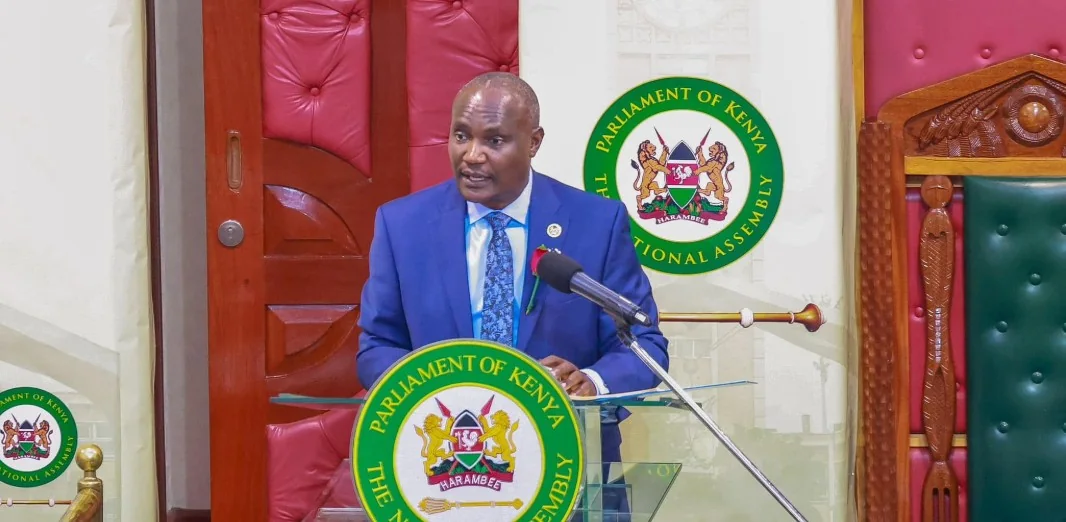
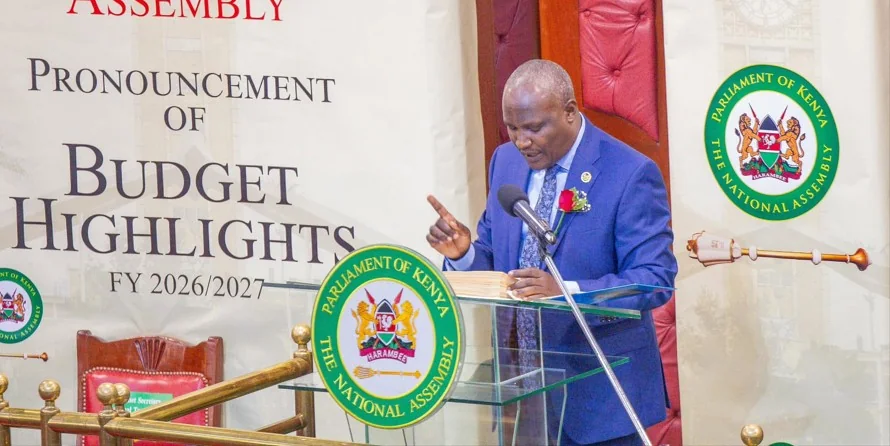
Cancer patients are set to benefit after the Treasury proposed an allocation of Sh3 billion for emergency cancer care, signalling renewed efforts to strengthen oncology services and expand access to specialised treatment across the country.
Under the proposal, Sh1 billion has been earmarked for the construction of a new cancer centre in Kisii, aimed at decentralising cancer diagnosis and treatment services beyond major referral hospitals.
A further Sh300 million has been allocated to strengthen services at the Kenyatta National Hospital (KNH), while Sh150 million will go towards advancing comprehensive cancer care nationwide, including improved diagnostics, expanded treatment capacity, and enhanced patient support systems.
Compared to the previous financial year, the allocation represents a modest but more targeted increase in cancer-specific funding, with a stronger focus on infrastructure and service expansion. In 2025/26, cancer control and non-communicable disease interventions received an estimated Sh2.2 billion, largely distributed across screening programmes, general NCD management, and limited oncology support, with less emphasis on dedicated infrastructure such as specialised cancer centres.
The latest proposal therefore points to a shift towards more structured investment in cancer care delivery, particularly through facility expansion and the strengthening of specialised treatment services.
The increased funding comes against the backdrop of a rising cancer burden, with hospitals reporting a steady increase in cases, many of which are diagnosed late when treatment is more complex and costly. Patients continue to travel long distances to access radiotherapy and chemotherapy, services that remain concentrated in a small number of referral centres, adding pressure to national hospitals.
However, the sector continues to face major structural challenges. These include late diagnosis driven by low screening uptake, shortages of oncologists and specialised cancer care workers, and high treatment costs that remain a heavy burden for families. Health facilities also continue to grapple with overcrowding, uneven distribution of services, and delays in expanding diagnostic capacity at the county level.
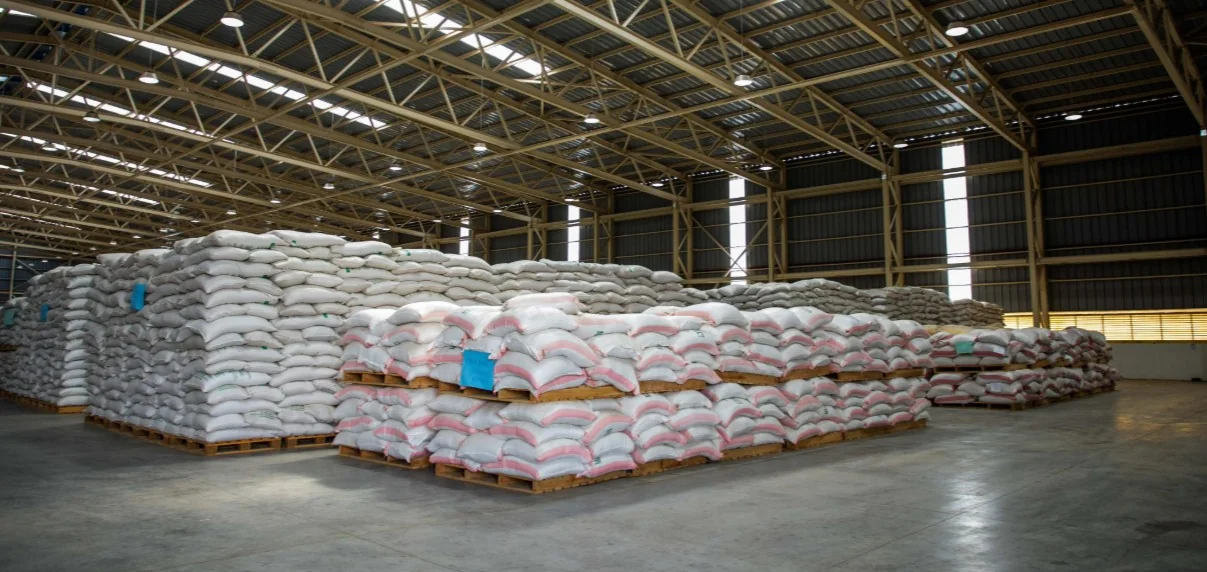
Concerns have also been raised over weaknesses in medical supply chain management following findings at the Kenya Medical Supplies Authority (KEMSA), where reports indicate that life-saving medicines and oncology drugs worth about Sh1 billion were left to expire in warehouse storage. Cancer treatment medicines accounted for several million shillings of this stock, even as patients in public hospitals faced persistent shortages and interrupted treatment. The situation has raised questions over procurement planning, distribution efficiency, and inventory control within the national medical supply system, amid fears of continued wastage despite sustained demand in hospitals.
Health stakeholders warn that this mismatch between rising patient needs and expired stock is worsening pressure on an already strained system, where overcrowding, delayed treatment, and limited access to specialised medicines remain persistent challenges.
Kenya has a limited number of fully specialised cancer treatment centres, with services largely concentrated in a few major referral hospitals. The main public comprehensive cancer centres include Kenyatta National Hospital in Nairobi, Moi Teaching and Referral Hospital in Eldoret, and the Kenyatta University Teaching, Referral and Research Hospital, which has been developed into a modern oncology facility.
Beyond these, a handful of facilities such as Coast General Teaching and Referral Hospital in Mombasa, alongside selected regional and private hospitals, provide partial cancer services mainly focused on screening, diagnosis, and limited treatment support. However, they do not offer the full range of specialised oncology care available at the main centres.
Overall, the country still has a small number of fully equipped cancer centres, meaning most patients continue to travel long distances to access radiotherapy, chemotherapy, and specialised treatment, underscoring significant gaps in access to care.



























Comments
Sign in with Google to comment, reply, and like comments.
Continue with Google