President William Ruto’s administration has allocated billions of shillings to fulfil some of the pledges he has made to Kenyans across the country as the race towards the 2027 General Election gathers momentum.
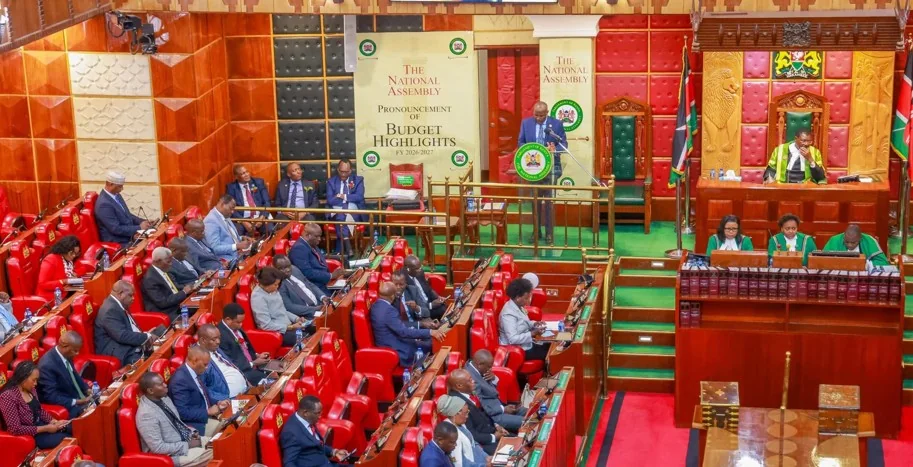
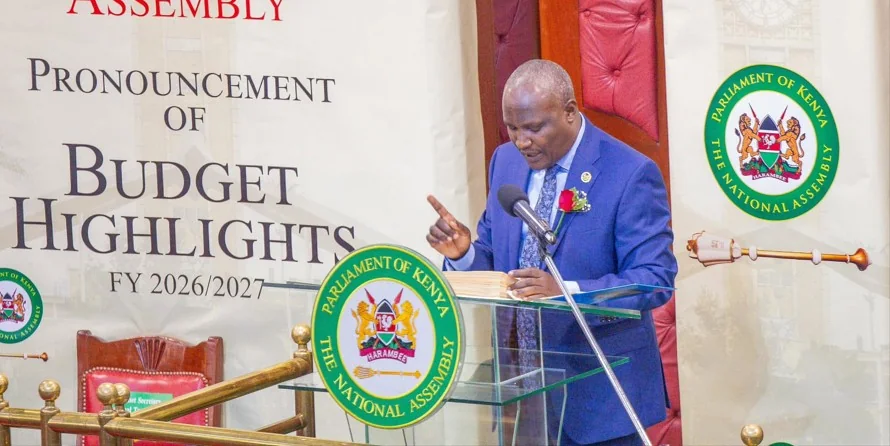
Mega infrastructure projects, including roads and the extension of the Standard Gauge Railway (SGR), feature prominently in the Sh4.8 trillion budget for what will be the last full financial year before President Ruto seeks re-election.
The new budget cycle begins next month and runs until June 2027, ending barely a month before Kenyans head to the polls in what is expected to be a tightly contested election amid growing anti-Ruto sentiment and increasing opposition mobilisation.
For President Ruto, who will be seeking a second term in August next year, the implementation of this budget is likely to serve as his strongest campaign platform and the most visible measure of his administration’s performance.
As part of the Sh4.8 trillion election-year budget, the government has increased spending on major infrastructure projects through new financing strategies, allowing the administration to channel billions of shillings into flagship developments as it seeks to strengthen its development record.
The government plans to spend Sh4.8 trillion in the 2026/27 financial year, up from Sh3.98 trillion in the current fiscal year, which ends this month.
Development expenditure, which funds infrastructure and other capital projects, is projected at Sh840.6 billion. A substantial portion of this allocation has been earmarked for roads and transport infrastructure.
The State Department for Roads has been allocated Sh176.9 billion for development expenditure, nearly double the Sh92.8 billion allocated in the current financial year ending in June.
This makes roads one of the largest beneficiaries of development spending, reflecting the government's push to expand connectivity across the country, particularly through low-volume sealed roads that are cheaper and faster to construct in rural constituencies.
Ruto has been traversing the country, holding public meetings and making development commitments to residents and local leaders as he seeks to consolidate support ahead of the election. At the same time, the opposition, led by Wiper Patriotic Front Party leader Kalonzo Musyoka and former Deputy President Rigathi Gachagua, has vowed to rally voters against his re-election bid.
The State Department for Transport has been allocated Sh63.9 billion, including Sh56.9 billion for development expenditure, a sharp increase from Sh5.3 billion in the current financial year.
A significant share of this allocation will go towards extending the SGR to Western Kenya and upgrading the ageing metre-gauge railway network serving Nairobi, Central Kenya and the Coast region.
The renewed focus on mega infrastructure projects, including roads and railway expansion, coupled with a slowdown in the introduction of new taxes, marks a notable shift for an administration that initially distanced itself from large-scale public works, arguing that such projects had contributed to Kenya’s unsustainable debt burden.
However, financing these projects remains a challenge. As the government seeks to impress voters with high-profile developments, it must do so within a constrained fiscal environment characterised by high debt levels and limited room for additional borrowing.
To bridge the funding gap, the Ruto administration has increasingly embraced alternative financing models such as public-private partnerships (PPPs), under which private investors design, build and operate infrastructure projects.
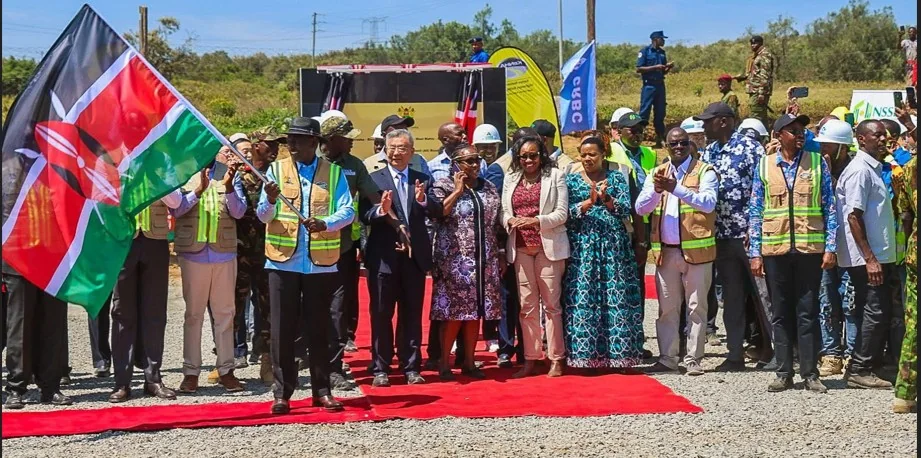
Already, the 175-kilometre Rironi–Mau Summit highway, as well as the Rironi–Maai Mahiu–Naivasha and Naivasha–Gilgil sections, are being upgraded under a PPP arrangement.
Under the 30-year concession agreement, private investors will recover their estimated Sh184 billion to Sh200 billion investment through toll fees charged to motorists. The government maintains that the project will open up Western Kenya and strengthen transport links with neighbouring countries.
The geographical spread of many of these projects also carries significant political weight for the President, particularly in the vote-rich Mt Kenya and Nyanza regions, where he is seeking to expand his support base.
In the Mt Kenya region, several road projects have already been launched or revived. Shengli Engineering Construction (Group) Company Limited of Shengli Oilfield has been awarded a Sh4 billion contract to tarmac the Uplands–Githunguri–Ruiru road.
The 42-kilometre road will link the Nairobi–Nakuru Highway at Uplands with the Nairobi–Thika Superhighway at Ruiru, connecting two major transport corridors within the Nairobi Metropolitan Region. Construction is expected to begin on March 18 and continue until April 2030.
Meanwhile, WAK Construction has secured the Sh2.47 billion contract for the Rumuruti–Nanyuki road, while H Young & Company has commenced work on the Thika–Magumu road under a Sh3.4 billion tender awarded by the Kenya National Highways Authority (KeNHA).
China Wu Yi Company Limited has also been awarded a Sh7.5 billion contract to realign the accident-prone Nithi Bridge in Meru County, delivering on a long-standing promise by President Ruto’s administration to residents of the region.
Overall, the budget reflects the government's political and development priorities. Through investments in roads, railways, affordable housing and youth-focused programmes, the administration is betting that visible development projects will strengthen its case for re-election in 2027.





















Comments
Sign in with Google to comment, reply, and like comments.
Continue with Google