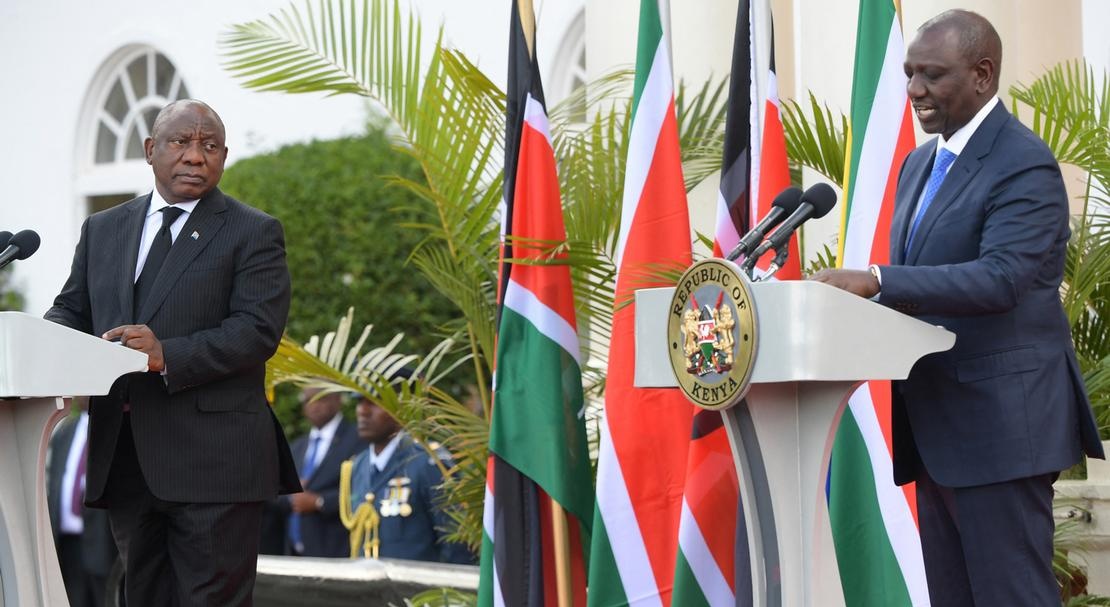
President William Ruto has now turned to the United States to secure a deal that will allow Kenya to process its critical minerals locally, as the country seeks to gain more value from its natural resources instead of exporting raw materials.
The deal comes as the US and China compete for influence over access to key minerals needed for new technologies and clean energy.
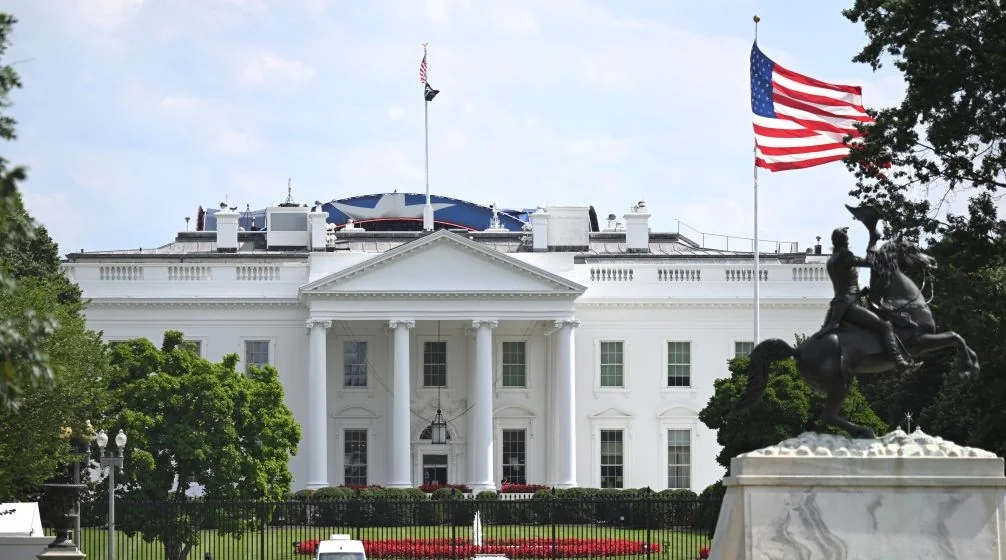
Speaking during an interview with Reuters, Ruto said Kenya and the US had reached an understanding on a mutually beneficial agreement that would ensure minerals are processed within the country.
“We have agreed that the minerals will be processed in Kenya,” Ruto said.
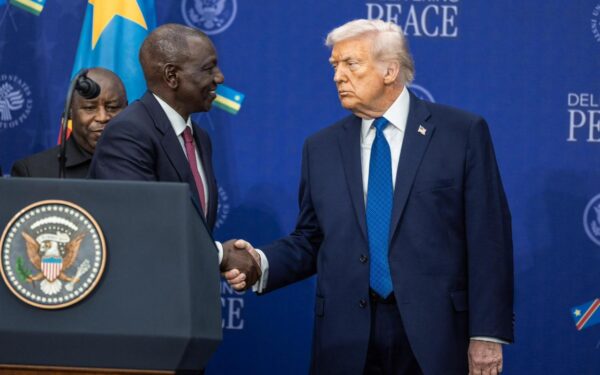
He noted that the agreement, which covers rare earths and other strategic minerals, was already being developed and could be concluded soon following discussions with G7 leaders, including US President Donald Trump, during the summit held on the shores of Lake Geneva.
He added that the discussions had resulted in an agreement that would benefit both countries.
“We’ve agreed with them on what is mutually beneficial between Kenya and the United States, and President Trump and the American administration are happy with it,” he said.
The proposed deal comes as African countries push for a new approach to natural resources by moving away from exporting raw materials and instead developing local industries that create jobs and increase earnings from minerals.
Ruto said Kenya wanted agreements that would allow the country and the continent to gain more from their resources.
“It’s the same thing that they are doing in the Democratic Republic of Congo (DRC) to make sure that whatever agreements, whatever deals are being fashioned are deals that benefit the country,” he said.
“These natural resources can no longer be exported and processed elsewhere. They have to be processed in-country and in-continent. We have to create value out of them.”
Kenya has untapped deposits of several minerals that are considered important for global industries, including rare earths, niobium, lithium, graphite, copper and nickel.
The minerals are used in sectors linked to new technologies, clean energy, battery production, construction and advanced manufacturing.
The push for local processing has gained attention as the United States, China and Europe compete for access to Africa’s mineral resources, which are seen as important in the global shift toward cleaner energy.
The G7 leaders agreed during the summit to increase cooperation aimed at reducing dependence on China for critical minerals. The plans include working together on mineral reserves and creating a new platform with a wider role for the International Energy Agency.
Ruto said Kenya was seeking partnerships based on investment rather than aid, arguing that Africa wanted relationships that support development instead of dependence.
“We are going to reject any relationships that are based on the extraction of our natural resources,” Ruto said, calling for a shift toward job creation, industrial development and shared returns.
He said Kenya and other African countries would not be forced to choose between the United States and China, but would continue working with different partners based on their economic interests.
“There are opportunities for everybody,” he said, adding that Africa had recently concluded trade deals with China and hoped for deeper engagement with the United States and Europe.
Ruto also called for reforms in the global financial system, saying Africa’s biggest challenge was not a shortage of money but barriers that prevent access to available funds.
“We are not short of capital … what we need is a framework to mobilise it,” he said.
He pointed to trillions of dollars held in African pension funds, insurance assets and reserves, saying these resources could support development if the right systems were put in place.
Ruto said G7 countries should provide guarantees and risk-sharing measures to help unlock funding and reduce borrowing costs for African nations.
He said G7 leaders had shown support for strengthening African financial institutions and developing such measures, including through the African Trade & Investment Development Insurance (ATIDI), where all G7 countries had pledged to take a share.
“Africa is not a problem to be solved. It is an opportunity that can be harnessed for global progress,” he said.




















Comments
Sign in with Google to comment, reply, and like comments.
Continue with Google