Student Unrest: Parents blame schools, authorities for failing to enforce safety measures
The association’s chairman, Silas Obuhatsa, emphasised that involving parents more in school affairs would help identify and address problems before they escalate.
Parents have accused schools and education authorities of failing to enforce safety measures and excluding them from decisions affecting their children, arguing that this has contributed to the student unrest witnessed in schools across the country.
According to the National Parents Association, many school safety policies have not been fully implemented, leaving gaps that have exposed learners and institutions to recurring incidents of violence.
The association’s chairman, Silas Obuhatsa, emphasised that involving parents more in school affairs would help identify and address problems before they escalate.
More To Read
- Over 60 teachers write to KUPPET seeking transfers following political tensions ahead of Ol Kalou by-election
- Government to review school calendar from 2027 in bid to curb student unrest
- Basic Education PS Julius Bitok urges schools to postpone mock exams amid student unrest
- Alliance High School sends students home after fire incident in mattress store
- School fire tragedies spark fresh calls to review boarding schools, 100 per cent transition policy
- Government orders nationwide audit of boarding schools following Utumishi fire tragedy
“The government must follow up and make sure those policies have been implemented by schools as required. If the safety regulations had been fully implemented, we would not be seeing some of these incidents,” Obuhatsa told Nation.
He noted that parents, who are key stakeholders in education, have increasingly been locked out of school affairs, making it difficult for them to understand challenges affecting their children.
“Parents have not been fully involved in matters concerning schools and their children. Yet they are key stakeholders. When parents are excluded, many issues go unnoticed until they become serious problems,” he said.
Latest Stories
- WHO issues first comprehensive guidelines for Ebola, Marburg treatment amid DRC outbreak
- Amnesty proposes establishment of 'Reparations Fund' to fast-track victim compensation
- MPs warned against voting in favour of Finance Bill 2026 amid fears over job losses
- African Union welcomes US-Iran peace deal, praises diplomatic efforts
He added that restricted access to schools has become a major concern among parents, with many unable to engage directly with teachers and administrators on matters affecting their children.
“Parents should be able to go to schools and engage with administrators and teachers on matters affecting their children. Today, there are so many restrictions in schools. You find areas marked ‘Staff Only’, and parents are not allowed access. Parents are increasingly being kept away from schools,” he said.
Obuhatsa argued that parents should be included in discussions on school rules, management and learner safety instead of being held responsible for children’s actions while excluded from key decisions.
“The only way forward is to involve parents. They must be part of discussions on school rules, school management and the safety of their children,” he said.
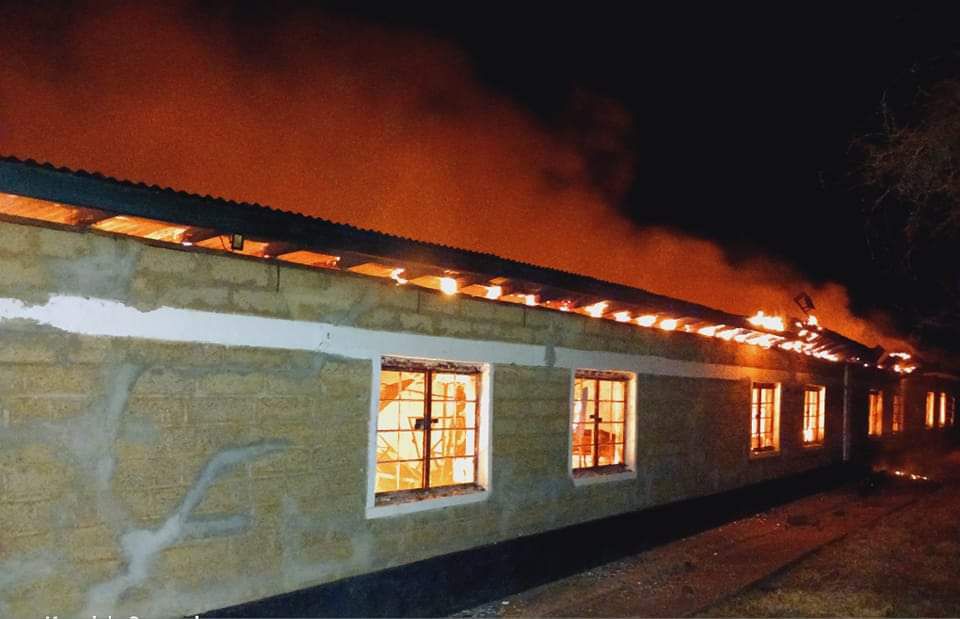
The concerns come as schools continue to recover from a wave of student unrest that affected institutions across the country, causing disruptions to learning, destruction of property, injuries and loss of lives.
President William Ruto has weighed into the debate, saying society should not place blame on schools and government institutions whenever learners engage in destructive behaviour.
“Our children are not the responsibility of the government alone. It is first and foremost the responsibility of parents. Society should stop shifting blame to schools and government institutions whenever learners engage in destructive behaviour,” the President said when he attended the Rhino Charge event in Wamba, Samburu County.
However, teachers’ unions have argued that the unrest in schools reflects wider challenges in society rather than issues within learning institutions alone.
Kenya Union of Post-Primary Education Teachers (KUPPET) Deputy Secretary General Moses Nthurima said the behaviour witnessed among learners mirrors the tensions experienced in the country.
“What students are doing is a reflection of society. When you look at what is happening on the streets, people are burning tyres, looting buildings and engaging in violence. The tension in the country is finding its way into our schools,” he said.
Nthurima called on the Ministry of Education to consider an early mid-term break to help reduce tensions among learners.
“I believe schools need to be closed for the mid-term break so that we can absorb the tension building within the student population. It has happened before, and I do not think we should wait for more casualties among our children,” he said.
He added that school principals were being forced to deal with security challenges beyond their responsibilities.
“Principals are not policemen. They cannot deal with criminal activities. The only practical solution for now is to allow learners to go home for a short break and return when the environment is calmer,” he said.
Education Cabinet Secretary Julius Ogamba said unrest had affected 204 secondary schools, mainly boarding institutions.
“We have so far received reports of unrest affecting 204 secondary schools across the country. Of those, 59 have since returned to school and resumed their studies, with more continuing to return,” Ogamba said.
The CS said the affected schools account for less than two per cent of senior schools nationwide, meaning most institutions have remained stable.
He warned that those involved in acts of violence would face the law, adding that the government plans to establish a multi-sectoral team to investigate the causes of the unrest and recommend long-term solutions.
Schools have also been directed to hold parents’ association meetings to discuss learner welfare and safety, while parents have been urged to use the school break to engage their children and address concerns affecting them.
Top Stories Today





































Comments
Sign in with Google to comment, reply, and like comments.
Continue with Google