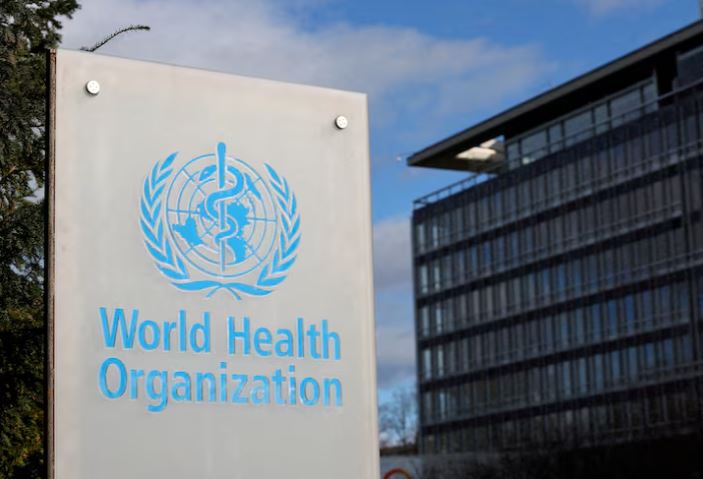
The World Health Organisation (WHO) has released its first comprehensive clinical guidelines for the management of filovirus diseases, including Ebola and Marburg, as the Democratic Republic of the Congo responds to an Ebola outbreak caused by the Bundibugyo virus strain.
Announced on June 17, 2026, the guidelines set out 16 evidence-based recommendations aimed at standardising and improving the clinical care of patients during filovirus outbreaks.
WHO says the framework is designed to guide frontline health workers, hospital administrators and policymakers in delivering consistent, life-saving treatment in challenging conditions.
Central to the guidelines is the emphasis on early supportive care, including rapid identification of clinical deterioration, management of dehydration, treatment of shock, and close monitoring of vital signs.
The recommendations also highlight the use of prioritised laboratory testing to detect complications such as low blood sugar and metabolic imbalance, and the timely treatment of secondary bacterial infections with antibiotics where necessary.
The guidance further calls for structured follow-up care for survivors, noting the importance of long-term monitoring for complications linked to viral persistence.
WHO says these measures are essential for improving survival outcomes in diseases that remain among the deadliest infectious threats globally.
Ebola and Marburg diseases have case fatality rates ranging from 25 per cent to 90 per cent, depending on the strain and quality of care. Since the Marburg virus was first identified in 1967, there have been 72 outbreaks of Ebola and Marburg disease reported across Africa, often causing major health, social and economic disruption in affected communities.
WHO Director-General Dr Tedros Adhanom Ghebreyesus said the new guidelines reflect a science-based approach to outbreak response.
“These new guidelines are a perfect example of how WHO leverages science to better protect and care for people during outbreaks and health emergencies,” he said.
He added that the current outbreak highlights ongoing risks from filovirus diseases.
“The current Bundibugyo virus outbreak is a stark reminder of the need for diligent, holistic and person-focused medical care, to save lives and preserve human dignity,” he said.
WHO says the guidelines are based on the latest scientific evidence and lessons learned from previous outbreaks, and are intended to harmonise care across health systems while strengthening preparedness and response capacity for future filovirus outbreaks.







































Comments
Sign in with Google to comment, reply, and like comments.
Continue with Google