Amnesty proposes establishment of 'Reparations Fund' to fast-track victim compensation
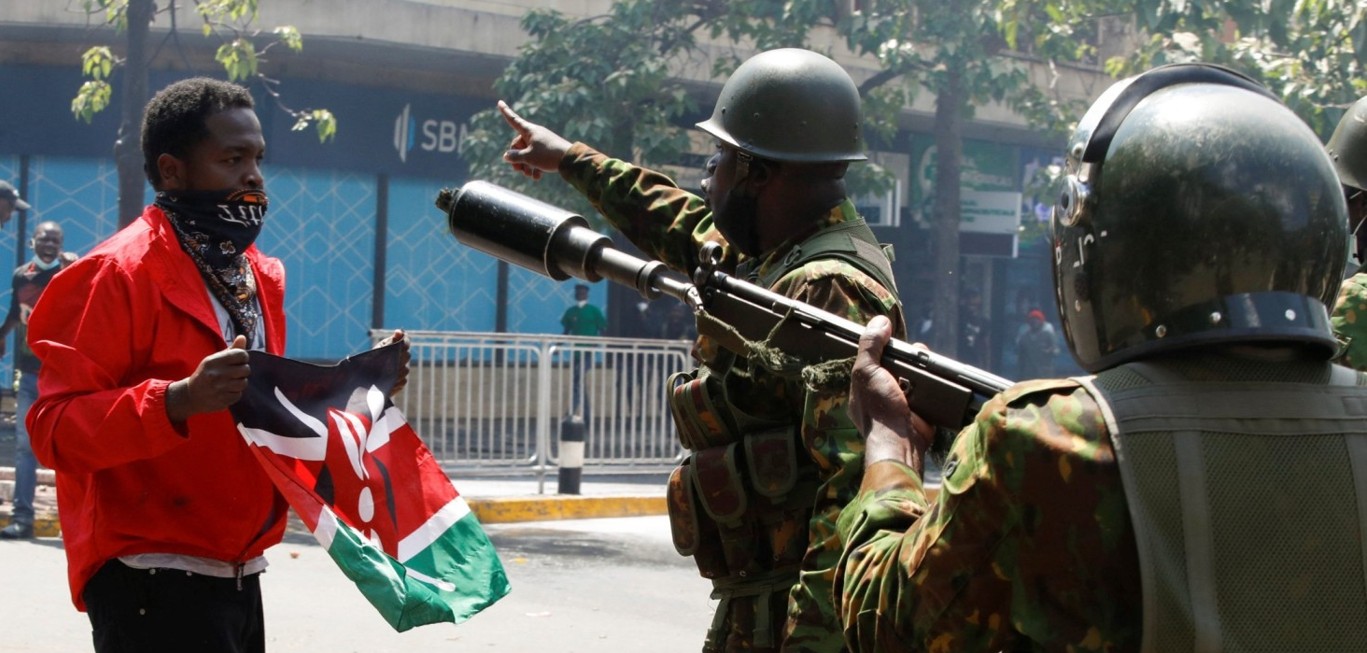
Amnesty called on the government to establish the Reparations Fund, pass comprehensive legislation, adopt a National Reparations Policy and provide enough resources to ensure victims receive timely and effective assistance.
Amnesty International-Kenya has proposed the establishment of a Reparations Fund, saying compensation for victims of human rights violations should not be delayed by ongoing criminal, civil or disciplinary proceedings.
In a statement on Thursday, Amnesty welcomed the KNCHR Framework for Reparations for Victims of Human Rights Violations but insisted that accountability for perpetrators must continue alongside efforts to provide redress.
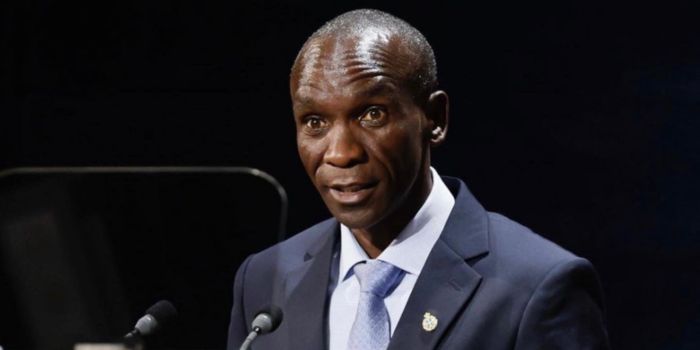
Executive Director George Morara said the framework provides an opportunity to address the suffering of victims who have for years endured the effects of unlawful killings, torture, enforced disappearances, sexual violence and arbitrary arrests without State acknowledgement or effective remedies.
More To Read
- Maraga: Compensating police brutality victims without justice is a half measure
- Protest victims reject compensation alone, demand direct apology from President Ruto
- Victims, survivors of state violence announce 10‑day protests in Nairobi
- Katiba Institute asks court to hold Murkomen personally liable for police shootings, deaths
- KNCHR says 1,800 killed or injured in protests await compensation
- Amnesty International Kenya appoints George Morara as new Executive Director
"This framework is a significant milestone in Kenya's ongoing pursuit of truth, justice, accountability, and reparations. For decades, victims of unlawful killings, torture, enforced disappearances, sexual violence, and arbitrary arrests have carried the weight of harm while the State has failed to acknowledge responsibility or provide remedies. The KNCHR framework offers a long-overdue opportunity to confront these injustices through a victim-centred, rights-based programme. We are encouraged that several recommendations from our April 2026 submission have been adopted," Morara said.
Despite supporting the framework, the organisation said victims should not be forced to wait for lengthy legal processes before receiving urgent support, arguing that reparations should be provided as accountability efforts continue.
Amnesty also supported the recommendation for a formal public apology, saying it must clearly recognise State responsibility and the suffering experienced by victims.
Latest Stories
- LSK warns against disregard of court orders in NSSF Act dispute
- Experts woo Chinese investors to offer financing, technology transfer in Kenya deals
- Anthropic first AI startup to join Frontier carbon removal coalition: What it means for users
- G7 leaders endorse tougher measures to disrupt migrant smuggling, drug trafficking
"The recommendation for a formal public apology is welcome. Such an apology must be unequivocal, acknowledge State responsibility and the suffering of victims, and be accompanied by concrete guarantees of non-repetition," reads the statement.
The organisation further welcomed measures aimed at increasing the involvement of victims in the reparations process, saying those affected must be recognised as rights-holders who play a role in designing, implementing and monitoring the programme.
It also backed calls to review and end criminal proceedings against human rights defenders and protesters, especially those facing terrorism-related charges for exercising their constitutional rights under Article 37.
"Reparations cannot coexist with the continued criminalisation of peaceful assembly and dissent," Morara said.
Amnesty said recognising memorialisation as part of reparations was important in preventing denial of past abuses and reducing the chances of similar violations happening again.
The organisation also welcomed recommendations on missing persons and enforced disappearances, including the development of national legislation and ratification of the International Convention for the Protection of All Persons from Enforced Disappearance.
It said lowering the evidentiary threshold would make the reparations process more accessible to victims who face difficulties obtaining official records. The organisation also supported minimum compensation awards for different categories of violations, while allowing additional support based on individual circumstances and the seriousness of harm suffered.
However, Amnesty warned that the impact of the framework would depend on how well it is implemented. The organisation said reparations alone cannot deliver justice, pointing to accountability for police and security agencies as the biggest challenge.
"Kenya has witnessed over 200 killings during demonstrations between 2024 and 2026, yet only a handful of cases have reached the courts. Victims and families deserve more than financial redress; they deserve truth, accountability, and justice," it said.
Amnesty called on the government to establish the Reparations Fund, pass comprehensive legislation, adopt a National Reparations Policy and provide enough resources to ensure victims receive timely and effective assistance.
The organisation said the publication of the framework was an important recognition of victims’ rights but maintained that compensation cannot reverse the loss of lives, erase the impact of torture or undo the suffering caused by enforced disappearances.
"Reparations must proceed alongside urgent efforts to investigate, prosecute, and hold perpetrators accountable, ensuring such violations never happen again," Morara said.
Top Stories Today
Trending





































Comments
Sign in with Google to comment, reply, and like comments.
Continue with Google