The government has been urged to release funds to compensate victims of anti-government protests after the Kenya National Commission on Human Rights (KNCHR) identified at least 1,800 people who were killed or injured and submitted their details for payment.
The commission said the affected individuals were drawn from various protest incidents, including those that turned violent in 2024.
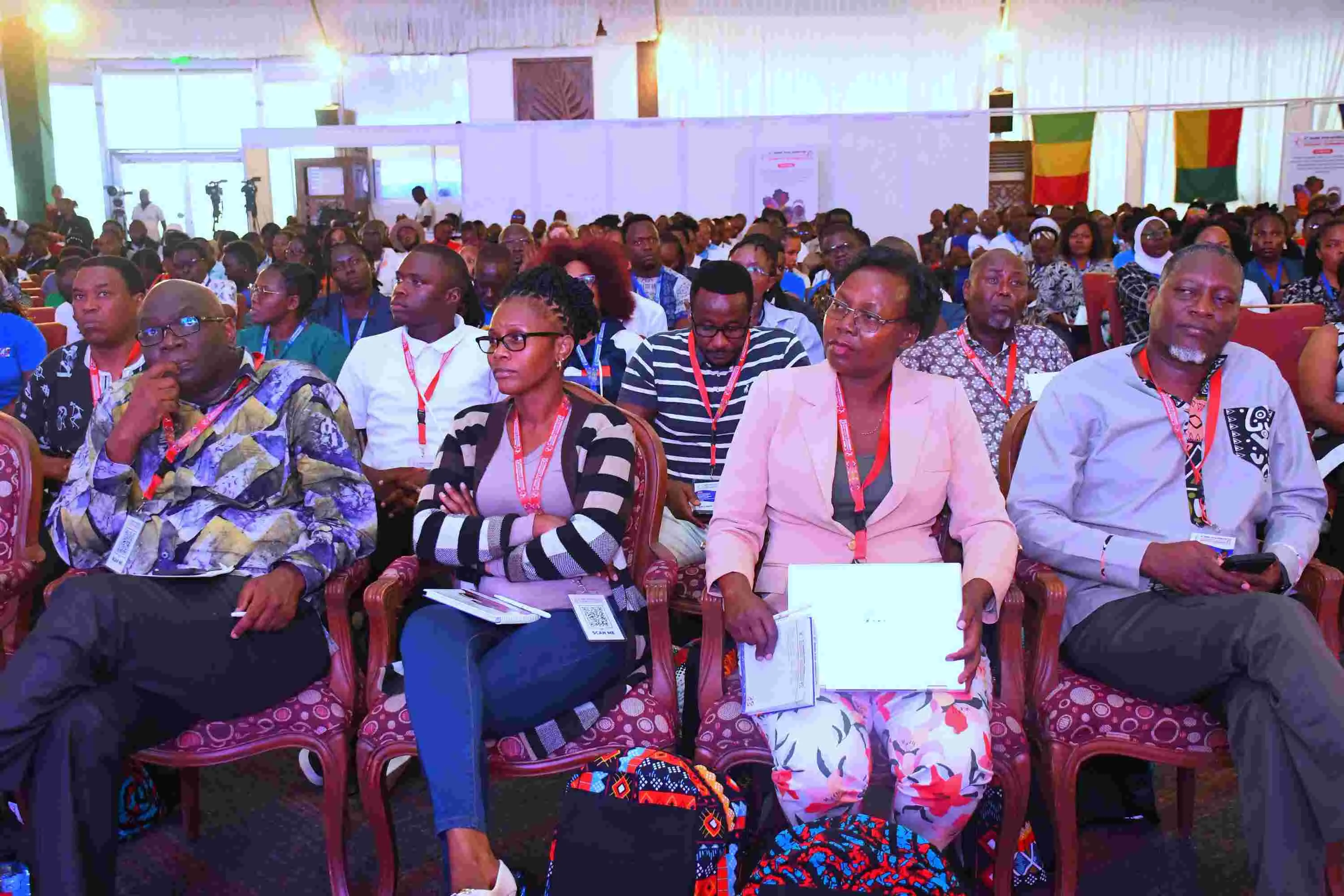
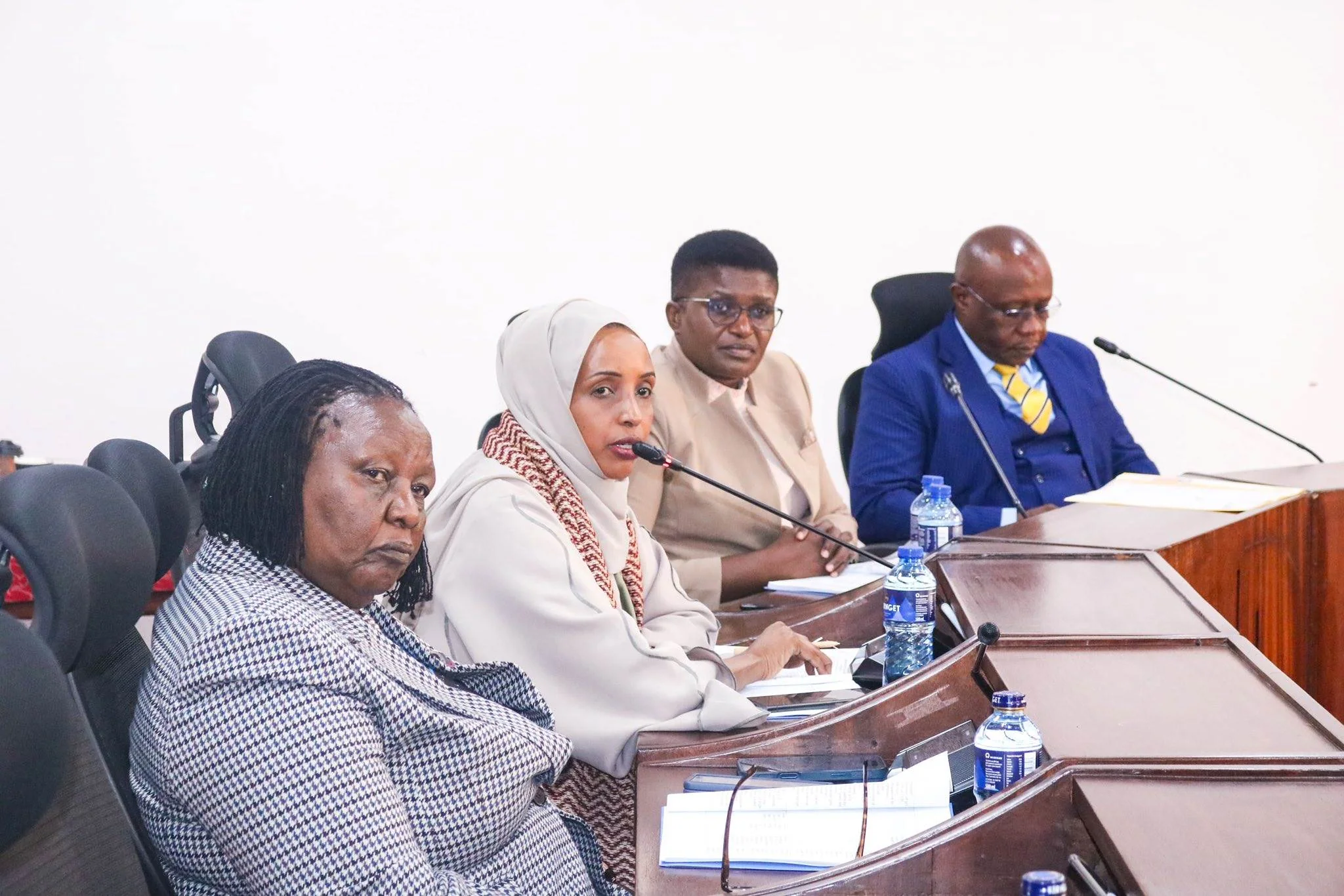
Speaking during a sensitisation forum for victims of protests held in Kagio, Kirinyaga County, KNCHR commissioner Marion Mutugi said it is the constitutional right of every Kenyan to take part in peaceful protests without interference from security officers.
She added that the law does not allow the use of excessive force by police during demonstrations and warned that anyone who supports such actions is acting outside the law and should face criminal charges.
“The response was outpouring when we asked people who had been shot to come,” Mutugi said, calling for safeguards to prevent a repeat of rights violations.
She further urged the government to act quickly to ensure victims are compensated and rehabilitated.
“The President announced Sh2 billion to compensate victims of protests. Let the public be informed that KNCHR does not have that money. It was not given to us,” she said.
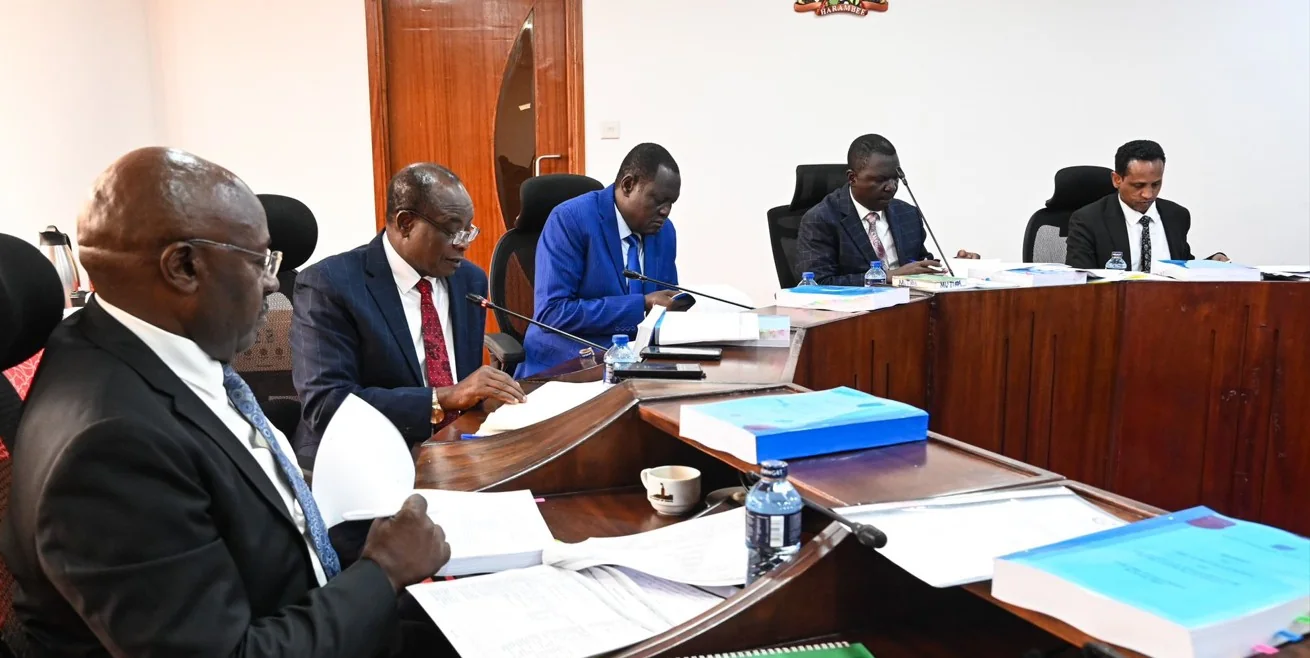
Mutugi clarified that KNCHR’s role is to receive complaints and develop a compensation framework, but not to disburse funds to victims.
According to the commission, during the nationwide protests against the Finance Bill, 2024, fifty people were shot dead while 413 were injured.
It added that many of the dead were either shot or suffered from tear gas exposure during the demonstrations.
The protests were sparked by opposition to proposed tax increases, with Kenyans arguing that the measures would worsen the cost of living.
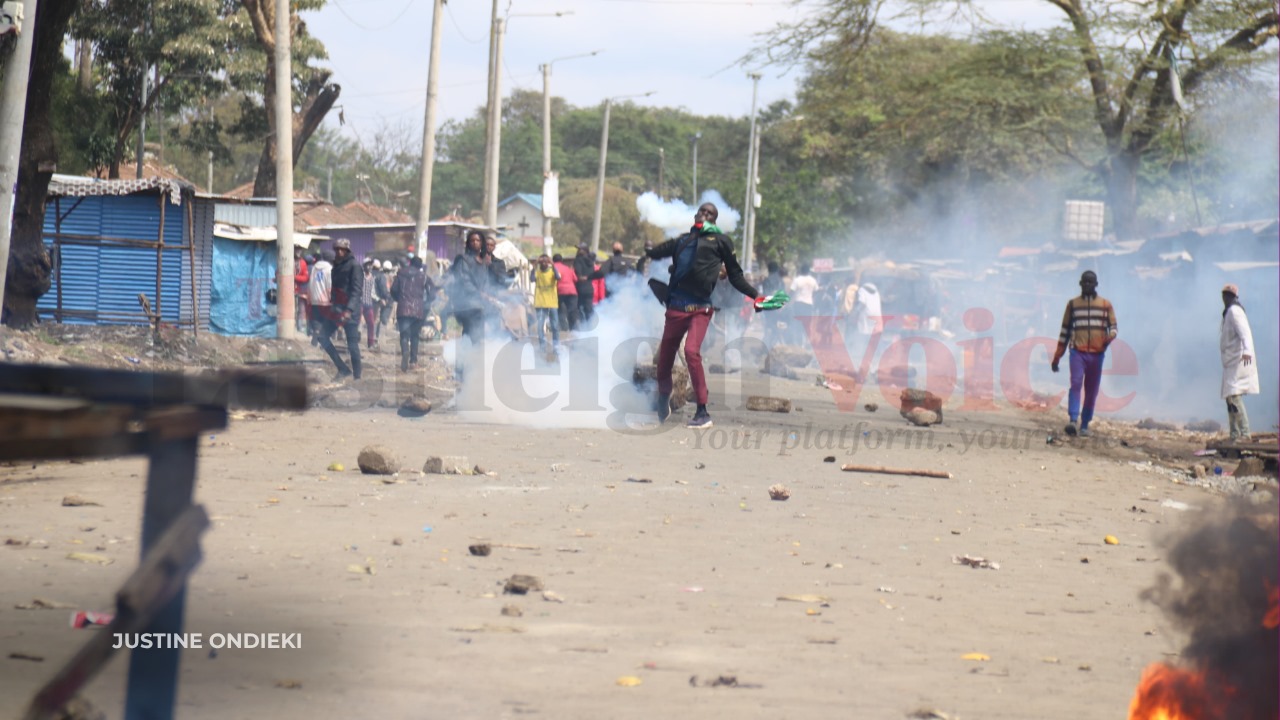
At the height of the unrest on June 25, 2024, groups of young people stormed the National Assembly, forcing legislators to flee, and causing extensive damage to the parliamentary buildings. Several people were shot inside and outside Parliament during the chaos.
A year later, in Embu County, scores of young people were injured during protests over the abduction of Billy Mwangi by security agents. He was later released a few days after the incident.
More recently, protests over increased fuel prices spread across the country, leading to chaos in several counties as demonstrators clashed with police in running battles. Some people were shot dead while others were injured during the unrest.
Property worth millions of shillings was also destroyed during the various protest incidents.


















Comments
Sign in with Google to comment, reply, and like comments.
Continue with Google