Young people aged between 15 and 24 accounted for more than four in every 10 new HIV infections recorded in Kenya this year, prompting renewed calls for stronger prevention measures and improved access to reproductive health services.
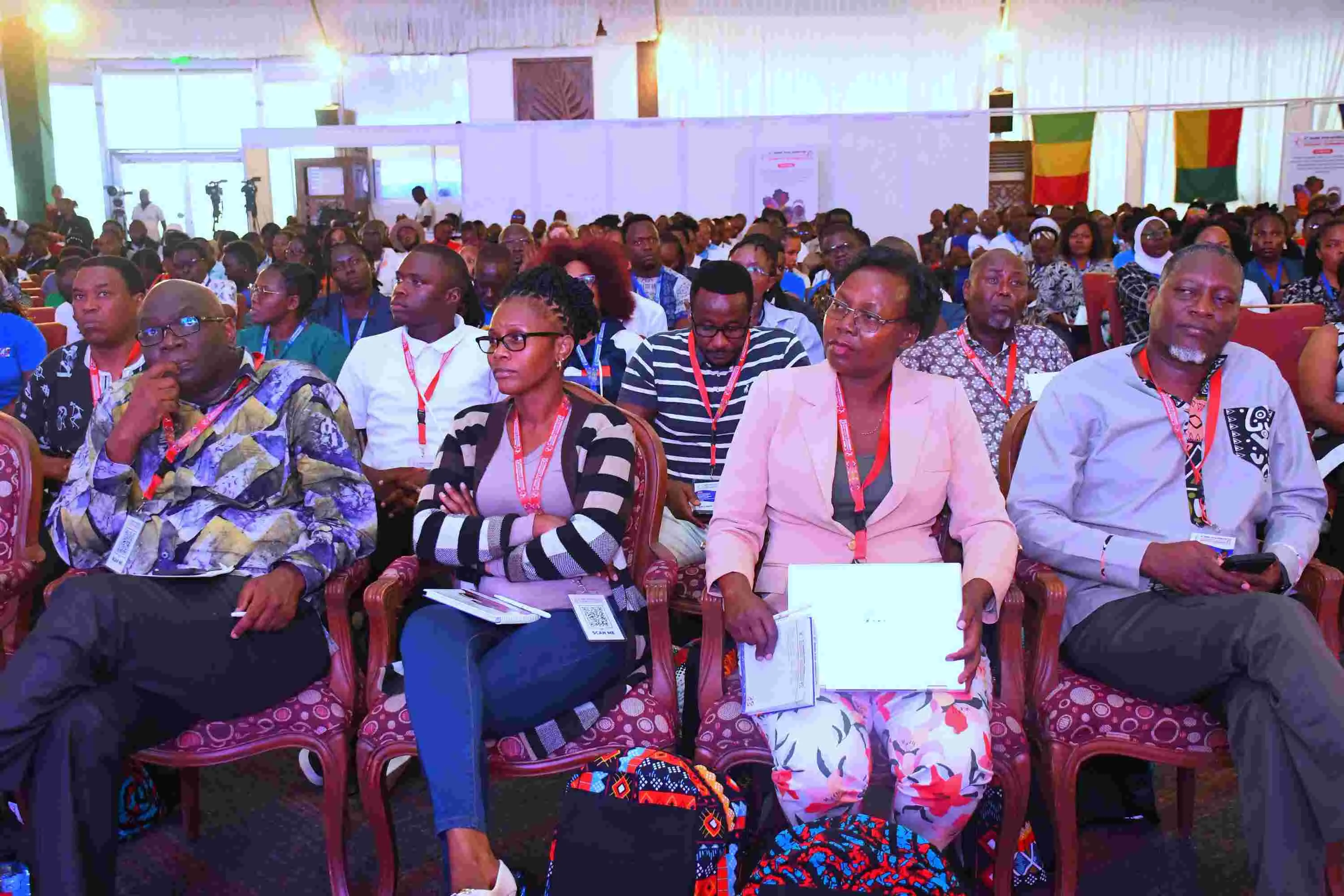
The Ministry of Health disclosed the figures during the opening of the 9th Pan-African Adolescent and Youth Sexual and Reproductive Health and Rights Scientific Conference in Mombasa, where officials raised concerns over persistent gaps in HIV awareness and rising vulnerability among adolescents.
According to the ministry, the age group contributed 41 per cent of all new HIV infections reported in 2025.
Health officials also noted an increase in mother-to-child HIV transmission, which has risen from 7.3 per cent to 9 per cent.
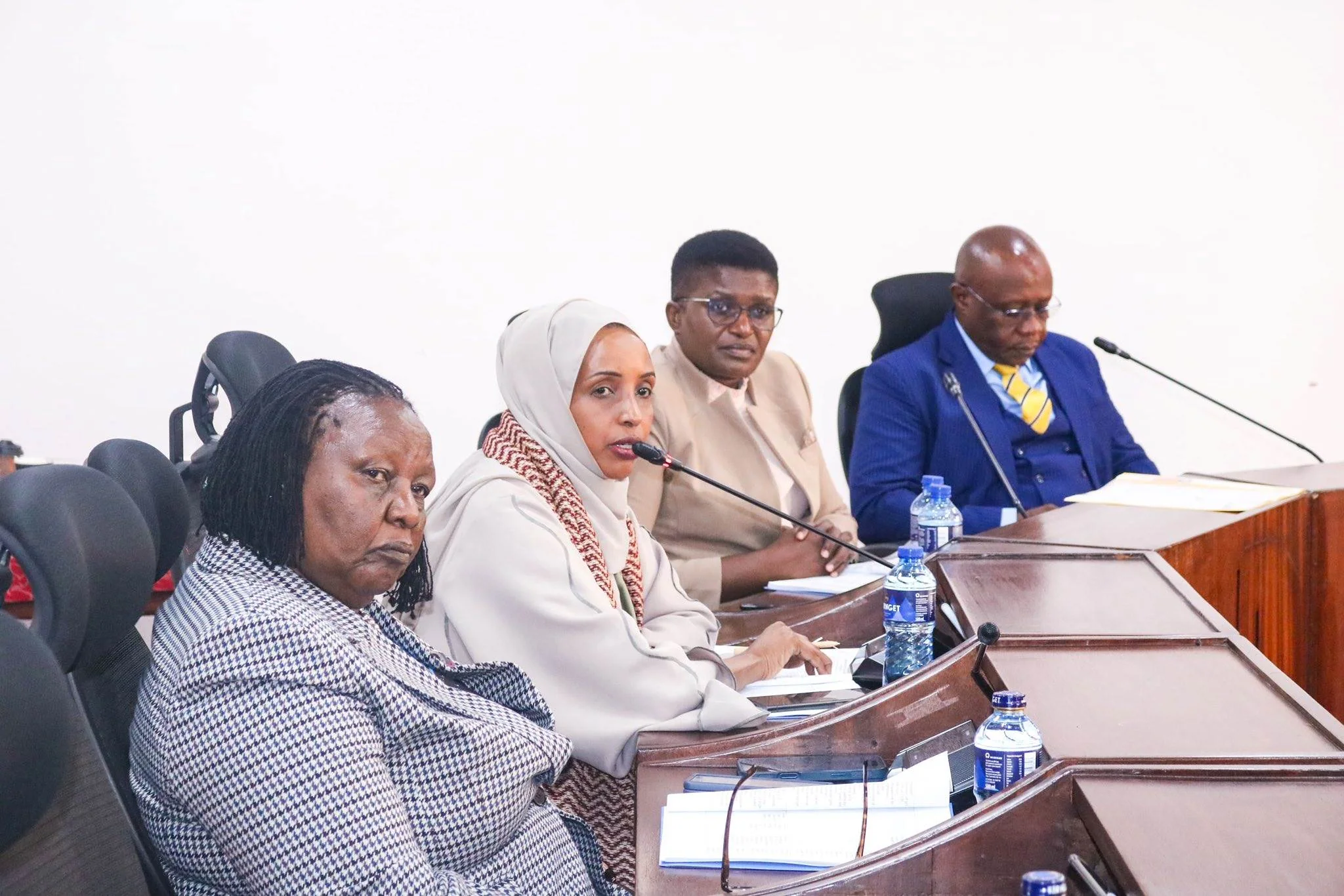
Head of the Family Health Department, Dr Bishar Issak, said the figures highlighted the need for urgent interventions targeting young people, particularly in areas where knowledge of HIV prevention remains low.
“In Garissa County, only 15 per cent of adolescent girls possess comprehensive knowledge about HIV, while nationally just over a quarter of young people understand that consistent condom use can help prevent transmission,” he noted.
To address the challenge, the ministry plans to expand comprehensive sexuality education programmes, strengthen adolescent-friendly health services and revive community-based initiatives that were disrupted following reductions in donor funding.
Healthcare workers are also expected to undergo specialised training to improve service delivery for adolescents and young adults, while efforts will be made to ensure easier access to essential medicines and reproductive health commodities.
The conference also heard concerns over the continued prevalence of teenage pregnancies across the country. Government data shows that 15 per cent of girls aged between 15 and 19 are either pregnant or already mothers.
The situation is particularly severe in some counties, with teenage pregnancy rates reported at 50 per cent in Samburu and 36 per cent in West Pokot.
Dr Issak said early pregnancies continue to undermine educational attainment and future economic opportunities for thousands of girls, warning that the country risks losing part of its demographic dividend if the issue is not adequately addressed.
While acknowledging that young mothers can access maternal healthcare services through the Social Health Authority, he maintained that preventing unintended pregnancies among adolescents must remain a priority.
The official also linked the country's future economic growth to investments in young people, noting that Africa has one of the world's youngest populations.
He said unlocking that potential would require sustained political support, adequate funding and policies that respond to the needs of adolescents.
The conference brought together more than 750 delegates from 44 African countries to discuss strategies for improving sexual and reproductive health outcomes among young people across the continent.
Participants warned that failure to invest in adolescent health could reverse gains made in HIV prevention, maternal healthcare and girls' education, while worsening poverty and inequality in many African countries.
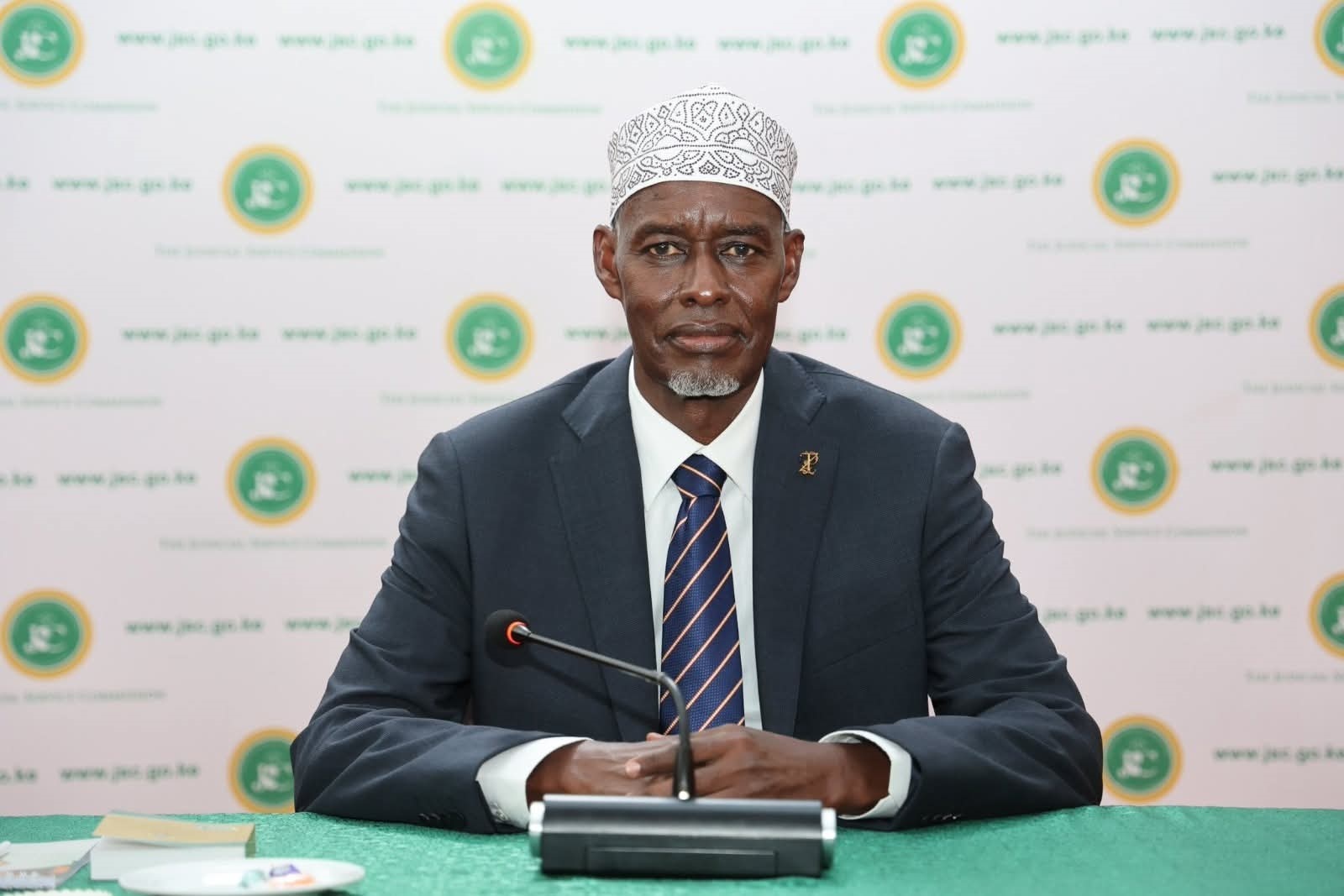
Photo Courtesy
Photo of Head of the Family Health Department Dr Bishar Issak during the opening of the 9th Pan-African Adolescent and Youth Sexual and Reproductive Health and Rights Scientific Conference in Mombasa, where officials raised concerns over persistent gaps in HIV awareness and rising vulnerability among adolescents.












































Comments
Sign in with Google to comment, reply, and like comments.
Continue with Google