The National Assembly has passed the Finance Bill, 2026, clearing the way for President William Ruto to assent to the government's proposed tax and revenue measures for the 2026/27 financial year.
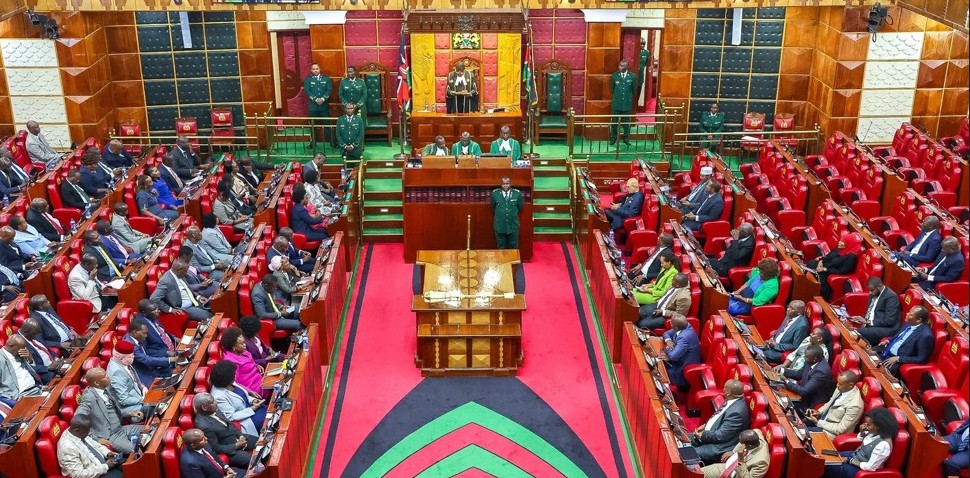
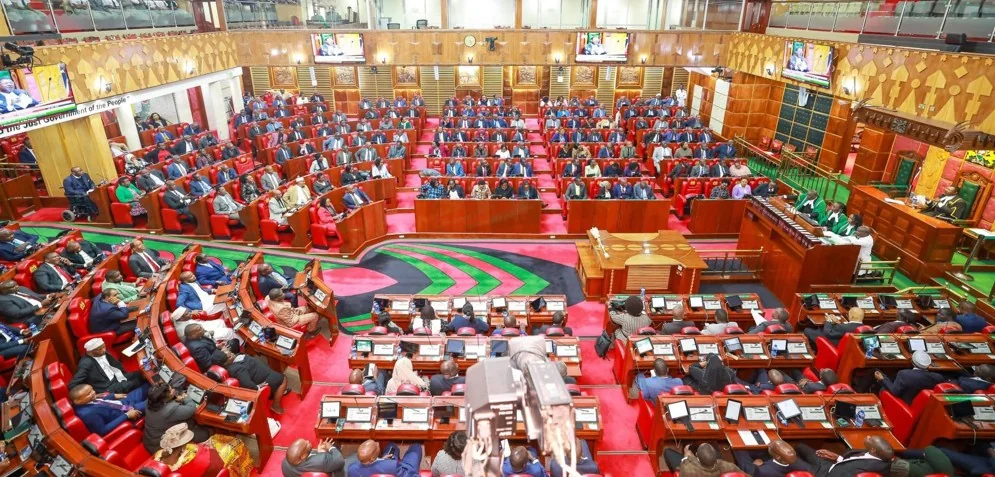
The Bill sailed through its Third Reading on Thursday after 122 MPs voted in favour against 40 who opposed it, reflecting the government's numerical strength in the House despite a coordinated pushback from the opposition.
The vote capped weeks of intense political lobbying and public debate over the legislation, which forms a key part of the government's plan to raise revenue and support implementation of the 2026/27 budget.
Members aligned to the Kenya Kwanza administration and the broad-based government coalition backed the Bill, while allies of former Deputy President Rigathi Gachagua opposed it.
Gachagua had earlier directed MPs affiliated with his Democracy for Citizens Party (DCP) to reject the Bill and force a division vote, a move aimed at publicly recording each legislator's position on the contentious legislation.
The Bill was approved after legislators adopted a series of amendments proposed by the National Assembly's Finance and National Planning Committee following public participation forums held across the country.
Several proposals that had attracted criticism from businesses, civil society groups and members of the public were either dropped or revised before the final vote.
The government has maintained that the Bill seeks to enhance revenue collection while avoiding the introduction of punitive taxes that could worsen the cost of living.
The National Treasury argued that the measures contained in the Bill are necessary to support government programmes, reduce reliance on borrowing and improve tax administration
However, critics argued that some provisions could still place additional pressure on households and businesses already grappling with high operating costs and economic challenges.
With Parliament's approval secured, the Bill now awaits presidential assent before becoming law and taking effect as part of the government's fiscal framework for the 2026/27 financial year.










































Comments
Sign in with Google to comment, reply, and like comments.
Continue with Google