Extreme weather and climate-related disasters affected at least 13 million people across Africa in 2025 and claimed more than 3,000 lives, according to a new report by the World Meteorological Organisation (WMO), which warns that climate risks across the continent are escalating.
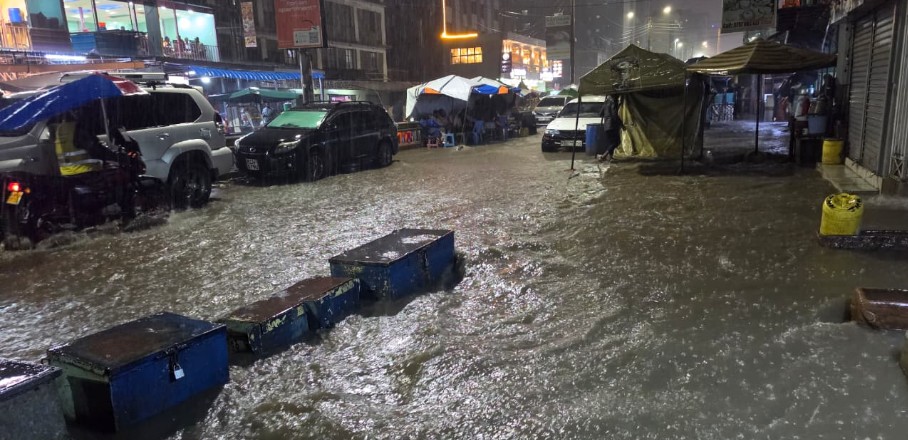
The WMO's "State of the Climate in Africa 2025" report found that floods and droughts were the most significant weather-related disasters during the year, with floods accounting for more than half of all reported extreme events.
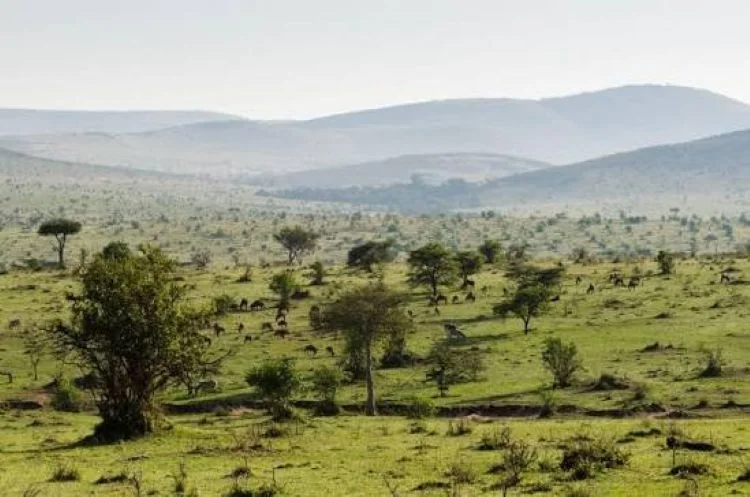
East Africa was particularly hard hit, with more than 8.5 million people affected by drought as prolonged dry conditions worsened food insecurity and water shortages across the Horn of Africa and neighbouring regions.
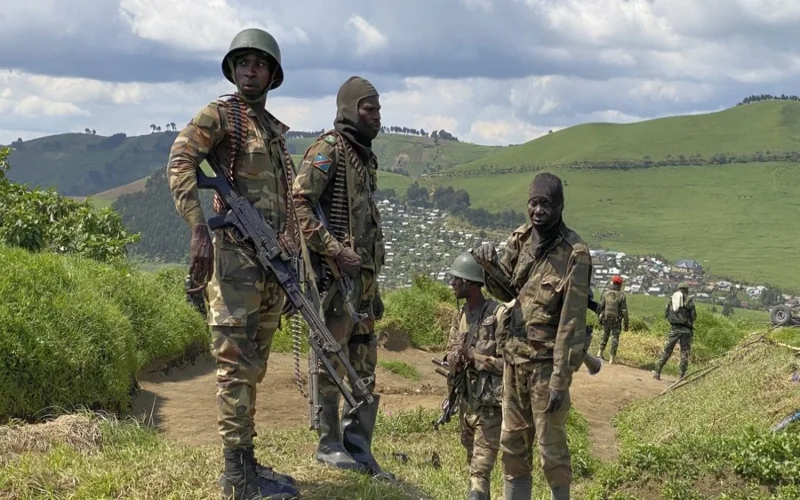
In West Africa, Nigeria experienced devastating floods in May that killed more than 200 people, while floods in the Democratic Republic of Congo (DRC) claimed over 160 lives in April, underscoring the growing intensity of seasonal rainfall extremes.
“The signs of a changing climate are clear across Africa – from damaging floods to drought,” WMO Secretary-General Celeste Saulo said.
The report notes that Africa is warming faster than the global average, fuelling more intense and unpredictable weather patterns. While some regions are experiencing heavier rainfall, others are enduring prolonged dry spells.
The Sahel recorded above-average rainfall during the period under review, whereas much of East Africa and the Horn remained drier than normal. In Southern Africa, rainfall was generally above average but often fell in short, intense bursts that triggered heavy downpours and flooding.
Despite the increasing frequency and severity of these disasters, fewer than 40 per cent of African countries have multi-hazard early warning systems, leaving millions without timely alerts that could help save lives and reduce damage.
“This report shows not only the scale of the risks, but also the growing importance of early warnings, climate services and coordinated action to protect lives and livelihoods,” Saulo said.
Beyond floods and droughts, the report highlights long-term climate change already reshaping the continent.
Sea levels are rising faster than the global average along parts of Africa's Atlantic, Indian Ocean and Red Sea coastlines.
Meanwhile, warming and increasingly acidic oceans are damaging marine ecosystems and threatening the livelihoods of communities that depend on fishing.
Africa's remaining glaciers are also disappearing rapidly. According to the WMO, ice cover on Mt. Kilimanjaro has shrunk from 11.4 square kilometres in 1900 to less than 1 square kilometre in recent years. Similar declines have been recorded on Mt. Kenya and in the Ruwenzori Mountains.
According to the WMO, these changes are amplifying climate risks across the continent, making extreme weather events more destructive and placing growing pressure on already vulnerable communities.































Comments
Sign in with Google to comment, reply, and like comments.
Continue with Google