Binge eating is increasingly being linked to heightened anxiety, particularly among women, many of whom struggle to understand why these episodes occur in the first place. For millions, the sudden urge to reach for a pint of ice cream or finish an entire bag of chips in one sitting can feel confusing and overwhelming, often dismissed as emotional eating or a lack of self-control.
However, emerging research suggests the explanation may be more complex and, in some cases, biological, with scientists now exploring whether factors beyond stress, including certain forms of combination birth control, could be contributing to these intense cravings and episodes of overeating.
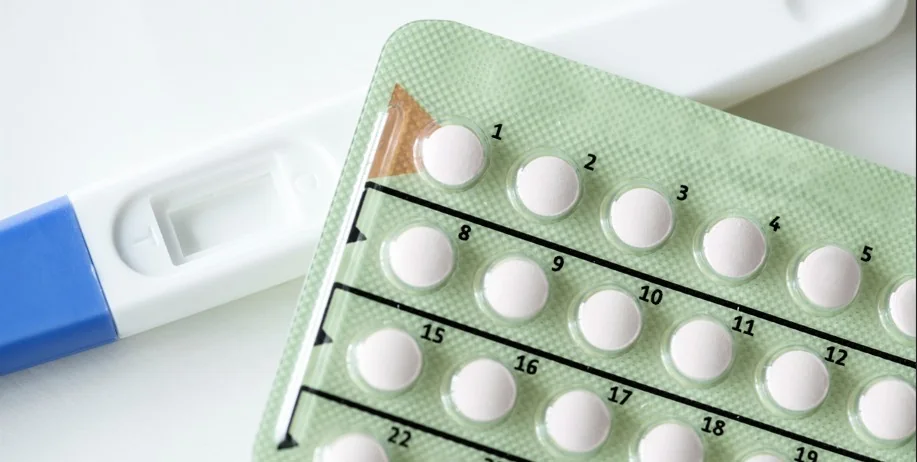
A new study published in JAMA is shedding light on a possible hormonal link between commonly used medications and binge eating behaviour in women. The research found that women were significantly more likely to experience episodes of overeating on certain days, and surprisingly, the pattern was not driven by stress, mood changes, or the use of other medications.
Instead, researchers identified a potential connection between binge eating and hormonal fluctuations linked to combined oral contraceptives, commonly known as the birth control pill.
Binge eating is a serious but often misunderstood condition that disproportionately affects girls and women.
It is characterised by consuming large amounts of food in a short period of time, often accompanied by a feeling of loss of control. Over time, it has been associated with a range of health complications, including depression, anxiety, substance use disorders, and other metabolic and psychological challenges.
The study suggests that biological factors, particularly hormones influenced by contraceptives, may play a more important role in these eating patterns than previously recognised.
Combined oral contraceptives are among the most widely used forms of birth control globally. They are taken by millions of women to prevent pregnancy and are also prescribed for managing menstrual symptoms, acne, and other hormonal conditions.
Previous estimates indicate that a large proportion of women, up to 85 per cent at some point in their reproductive years, have used the pill.
Despite their widespread use and long history, researchers are still uncovering how these hormones may affect other aspects of health beyond reproduction.
In the study, researchers tracked 422 women aged between 15 and 30 years who were part of the Michigan State University Twin Registry. The participants were observed over a 49-day period, which roughly covered two menstrual cycles.
During this time, they recorded detailed daily information about their use of birth control pills, distinguishing between active hormone pills and inactive placebo pills, as well as any episodes of overeating or binge eating.
The results revealed a noticeable pattern: binge eating episodes were more likely to occur on days when participants were taking active hormonal pills compared to days when they were taking inactive pills. This suggests a possible link between the hormonal phase of contraceptive use and changes in appetite or eating behaviour.
The association remained even after researchers controlled for other factors that could influence eating patterns, including mood changes such as stress or sadness, as well as the use of other medications. The study also found that birth control pills did not significantly influence participants’ concerns about body weight or body image, suggesting that the effect was more behavioural than psychological in nature.
The researchers observed that binge eating episodes tended to decrease as participants continued tracking their eating habits over time.
This finding suggests that self-monitoring, such as keeping a food diary, may help individuals become more aware of their eating behaviours and gradually regain a sense of control.
However, researchers were careful to emphasise that the findings should not be interpreted as a reason to stop using birth control pills.
They noted that this is one of the first large-scale studies to examine daily changes in binge eating in relation to oral contraceptive use, and more research is needed before drawing firm conclusions.
Medical experts not involved in the study have described the findings as intriguing but preliminary. They stress that hormonal contraception remains safe and highly effective for millions of users and that individual responses to hormonal changes can vary widely from person to person.
Experts also highlight the need to explore whether other forms of hormonal contraception, such as intrauterine devices (IUDs), implants, and vaginal rings, may have similar or different effects on appetite and eating behaviour.

















































Comments
Sign in with Google to comment, reply, and like comments.
Continue with Google