The United Nations (UN) Food and Agriculture Organisation (FAO) and World Food Programme (WFP) have launched a $202 million (Sh22.6 billion) appeal to help communities prepare for the expected impacts of El Niño across 22 vulnerable countries.
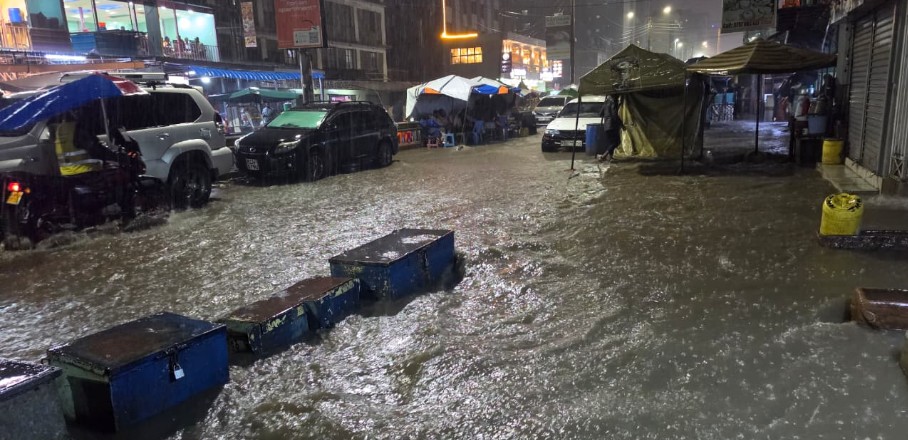
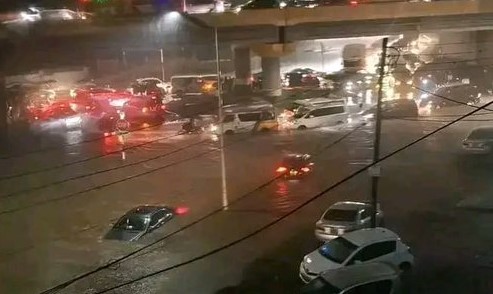
The appeal comes as forecasts by the World Meteorological Organisation (WMO) indicate El Niño is likely to occur in the coming months, increasing the risk of droughts, floods and storms across parts of Africa, Asia, the Pacific and Latin America. The weather phenomenon is also expected to disrupt farming activities, livestock production, water availability and harvests in areas already struggling with food insecurity.
Kenya has been identified among the 22 priority countries expected to face heightened risks from the anticipated weather conditions.
Other African countries targeted under the appeal include Ethiopia, Somalia, South Sudan, Sudan, Uganda, Zimbabwe, Mozambique, Malawi, Madagascar, Nigeria and Cameroon.
Afghanistan, Pakistan, the Philippines, Timor-Leste, Colombia, El Salvador, Guatemala, Haiti, Honduras and Venezuela are also included in the list of countries.
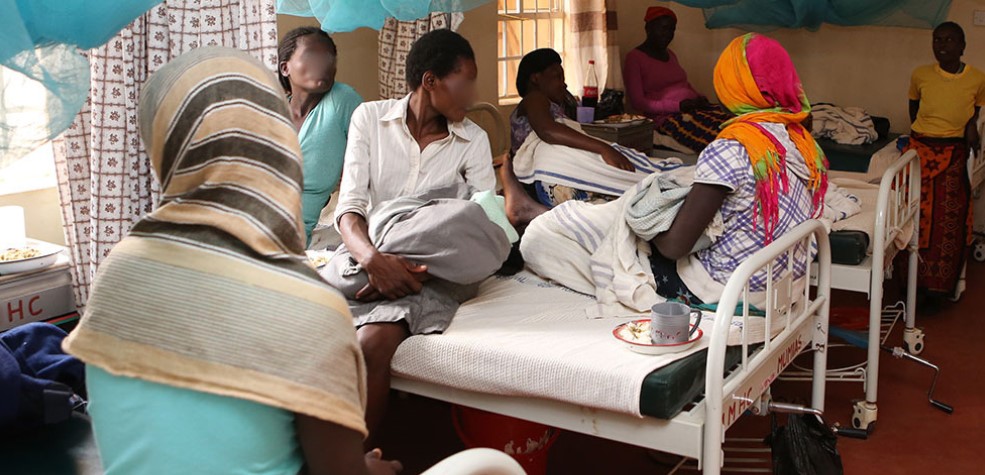
According to the UN agencies, millions of people are already facing food shortages driven by conflict, economic instability, displacement and recurring climate-related shocks, leaving many communities with limited capacity to cope with further weather disruptions.
FAO and WFP currently have resources to support about 1.2 million people expected to be affected by the weather phenomenon. However, the agencies are seeking additional funding to expand assistance to another 7.6 million people, bringing the total number of people the programme aims to reach to nearly 8.8 million.
The planned interventions include cash assistance for vulnerable households, distribution of drought-tolerant and flood-resistant seeds, livestock protection programmes, water harvesting systems, flood control measures and the provision of weather and agricultural advisory services.
According to the agencies, acting before disasters strike can significantly reduce losses and humanitarian needs.
"Experience consistently shows that early action is more effective and less costly than responding after a crisis has escalated," FAO Deputy Director-General Beth Bechdol said.
“With El Niño on the horizon, we have a narrow window to act so families are not forced into impossible choices later. We now have the tools to anticipate these events; what matters is how we act with that knowledge. Early action keeps food on the table and protects those at most risk,” added WFP Acting Executive Director Carl Skau.










































Comments
Sign in with Google to comment, reply, and like comments.
Continue with Google