Digital platforms, particularly WhatsApp, TikTok, and Telegram-based mother groups, are increasingly functioning as an informal layer of maternal health support in Kenya.
While not designed as health infrastructure, these networks now shape how many women access pregnancy-related information, emotional reassurance, and peer guidance.
In practice, maternal care is increasingly mediated through digital systems that sit outside formal health planning and regulation. Yet these systems remain largely absent from Kenya’s health policy frameworks, service design, and regulatory oversight.
Digital-first maternal support
For example, Caroline Wanjiru, a 24‑year‑old mother from Nanyuki, recalls turning to TikTok during her first pregnancy after finding little clarity in initial online searches and limited offline support.
Algorithmic recommendations connected her to other mothers sharing pregnancy experiences, eventually leading her into group chats that migrated from Telegram to WhatsApp and grew into a network of nearly 300 women.
The groups include first-time mothers, experienced parents, single mothers, and working women balancing childcare and income generation.
For Caroline, offline interactions remained limited and surface-level, while digital spaces became her primary source of practical and emotional support.
This reflects a broader pattern: digital platforms are not supplementary; they are becoming primary points of maternal knowledge exchange.
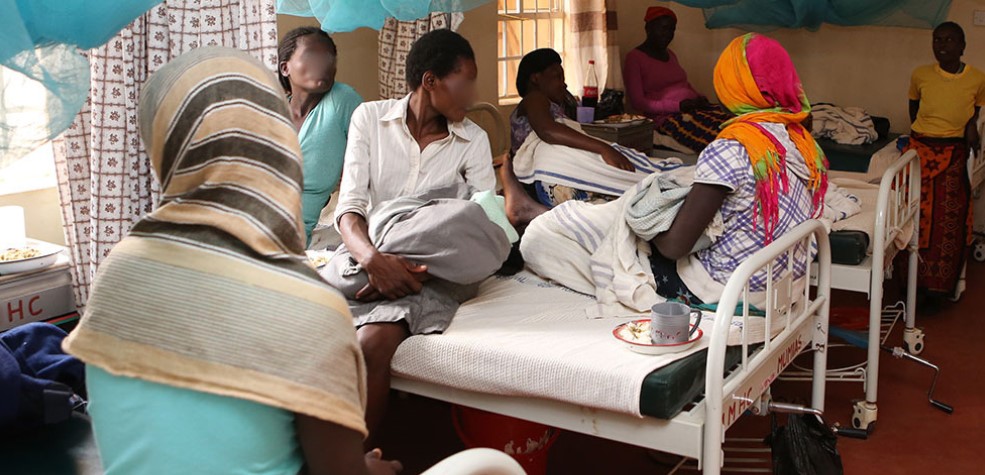
According to the 2022 Kenya Demographic and Health Survey (KDHS), maternal healthcare access remains uneven, shaped by distance, cost, and unequal service availability, particularly in rural and low-income settings.
These constraints create conditions in which digital platforms bridge gaps in information access and peer support, particularly where formal maternal health services remain difficult to reach consistently.
UHC gaps and fragmented digital health systems
This shift is tied to broader Universal Health Coverage (UHC) challenges in Kenya, where persistent inequalities in access and resource constraints continue to shape maternal health outcomes.
It is further reinforced by fragmented digital health governance, where multiple initiatives exist without a unified framework for interoperability, regulation, or integration into maternal care pathways.
As a result, informal digital networks and formal health systems operate in parallel rather than as connected components of a single continuum of care.
Despite their growing role, WhatsApp- and TikTok-based maternal networks remain outside formal health system design.
This creates a structural gap in maternal care pathways, with women increasingly relying on peer‑generated digital advice for real‑time decisions, while clinical systems remain facility‑based and episodic.
The absence of structured linkage limits opportunities for verification, referral, and continuity of care.
Policy Position: Emerging Consensus
Organisations such as Transform Health Kenya argue that this reality should be formally addressed within Universal Health Coverage reforms.
Key priorities include integrating telehealth into maternal care systems, developing verified digital maternal health platforms, strengthening linkages between informal digital communities and formal health services, and ensuring interoperability across digital health systems.
The underlying policy position is that these networks are not external to the health system; they are already part of how care is accessed and must be treated as such in system design.
The rapid circulation of health advice within these networks introduces risks of misinformation and inconsistent guidance.
In the absence of clinical oversight, health information may gain credibility through repetition and peer validation rather than medical accuracy.
This highlights a governance gap in Kenya’s digital health ecosystem: the lack of clear frameworks defining how health information circulating in informal digital spaces should be verified, regulated, and integrated into formal systems.
From Informal Practice to Health System Design
Digital maternal networks are already functioning as de facto extensions of Kenya’s health system. However, they remain outside formal regulation, integration, and quality assurance structures.
The policy challenge is no longer recognition, but system design. This requires integrating digital maternal health into Universal Health Coverage reforms in a structured and coordinated way.
Through interoperable systems, verified platforms, telehealth expansion, and structured links between informal networks and formal care pathways.
The question is not whether these systems exist. It is whether Kenya’s health system is designed to support them safely, equitably, and at scale.









































Comments
Sign in with Google to comment, reply, and like comments.
Continue with Google