Women who received the human papillomavirus (HPV) vaccine in early adolescence have an almost zero risk of dying from cervical cancer before the age of 30, according to a new study published in The Lancet.
Researchers analysed official health records and vaccination data for women aged 20 to 34 in England. They compared women who had access to the HPV vaccine after it was introduced in 2008 with those who were not offered the vaccine.
The results showed a clear difference in outcomes. Women who were not vaccinated showed little change in cervical cancer death rates over time. In contrast, those who received the vaccine experienced a sharp decline in deaths.
The study found that women vaccinated at ages 12 or 13 had an almost zero chance of dying from cervical cancer before the age of 30. Among vaccinated women aged 30 to 34, the risk of death from cervical cancer was reduced by about 63 per cent compared with those who were not vaccinated.
Researchers estimate that since the introduction of the vaccination program, nearly 200 young women’s lives have already been saved in England.
“One of the most striking findings was recorded between 2020 and 2024, when no deaths from cervical cancer were reported among women aged 20 to 24 in England for the first time in recorded history.” According to research.
The vaccine also protects against other HPV-related cancers, including cancers of the anus, vulva, vagina, penis, mouth, and throat, as well as genital warts.
In many countries, including the United Kingdom (UK), the vaccine is offered to both girls and boys in early adolescence, usually before they are exposed to the virus.
Experts say the vaccine works best when combined with regular cervical screening, which helps detect abnormal cells early before they become cancerous.
The World Health Organisation (WHO) has set a global target to eliminate cervical cancer as a public health problem. The goal is for 90 per cent of girls to be fully vaccinated by age 15, 70 per cent of women to be screened regularly, and 90 per cent of those diagnosed with cervical disease to receive treatment.
However, health experts are concerned that vaccination rates are falling in some regions. Before the COVID-19 pandemic, uptake was close to global targets, but it has since declined.
Experts warn that if this trend continues, preventable cases and deaths could rise again in the future.
Public health specialists are calling for stronger awareness campaigns, improved access to vaccination services, and catch-up programs for those who missed earlier doses.
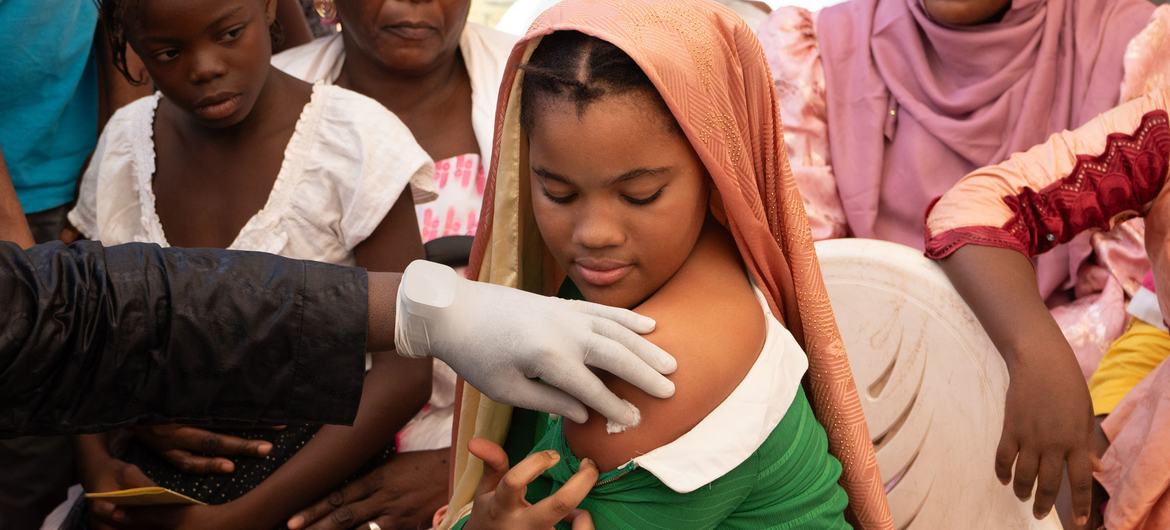
To strengthen prevention efforts, Kenya has adopted the single-dose HPV vaccine strategy, aimed at improving coverage among adolescent girls and simplifying delivery through school-based and community health programs.
The HPV vaccine is currently given to adolescent girls aged 10 to 14 years, with the main target being girls in Grade 5 (around age 10) before they become exposed to the virus.
The program is delivered mainly through school-based vaccination campaigns, with catch-up opportunities offered in some cases for girls who miss the initial dose.
However, challenges persist. These include low public awareness, misinformation and vaccine hesitancy, unequal access in rural and remote areas, and logistical challenges in reaching school-going adolescents consistently.
Health experts also cite resource constraints and gaps in screening and follow-up care as barriers to reducing cervical cancer cases and deaths.
















































Comments
Sign in with Google to comment, reply, and like comments.
Continue with Google