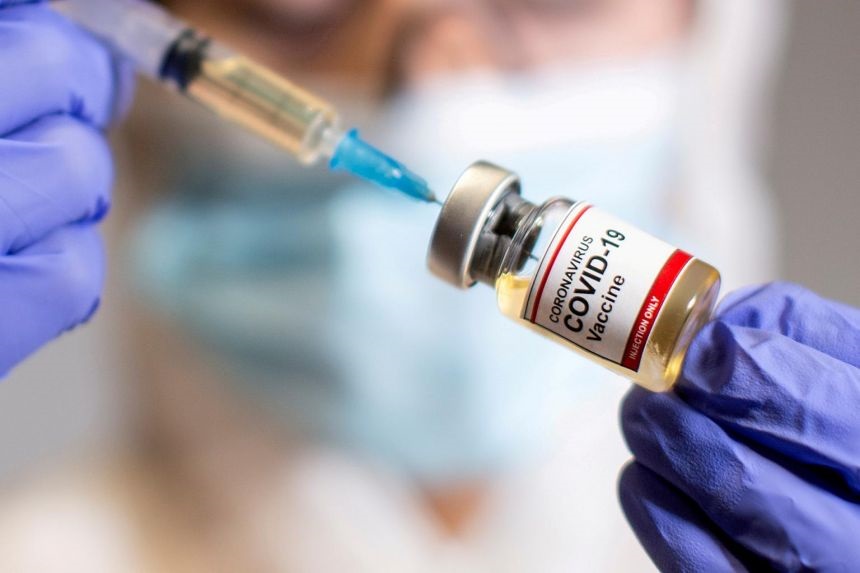
COVID-19 vaccination may help protect people not only from severe infection but also from serious heart-related problems such as heart attacks, strokes, hospital admissions, and death, according to a new study published in JAMA Internal Medicine.
Researchers analysed over a million people in the United States (US), mostly military veterans, one-third of whom had received a COVID-19 vaccine, and reviewed their health over eight months.
They found that those who received the COVID-19 vaccine had about a 38 per cent lower risk of serious heart and blood vessel problems compared with those who were not vaccinated.
“Even when looking at all heart-related problems, not only those clearly linked to COVID-19 infection, vaccinated people still had about a 24 per cent lower risk of serious cardiovascular events,” the researchers stated.
Researchers believe this may be because some COVID-19 infections go unnoticed. Some people may feel mild symptoms, not test for the virus, and later develop heart problems without linking them to the infection.
At a wider level, the researchers estimated that vaccination could prevent thousands of serious heart problems and deaths for every one million people each year.
When infected with COVID-19, the virus can cause inflammation, which damages blood vessels and increases the risk of blood clots, heart attacks, and strokes. These complications may occur during infection or even weeks later. Since vaccination reduces the chance of infection or lowers its severity, it may also reduce the risk of these heart complications.
“Older adults and people with long-term illnesses such as kidney disease, lung disease, and other chronic conditions benefited the most. These groups already have a higher risk of severe COVID-19 and heart disease, so protection is especially important for them,” they added.
Another study, which evaluated updated COVID-19 vaccines, found that vaccinated adults were less likely to go to hospital emergency departments or urgent care clinics for COVID-19. Among adults, the vaccine was about 41 per cent effective in preventing severe illness.
Researchers compared COVID-19 vaccines with other common vaccines, such as flu vaccines. They found that COVID-19 vaccines still provide strong protection against serious illness, even though the virus has changed over time.
The experts explained that concerns about rare side effects, such as heart inflammation (called myocarditis), should be understood in context. They noted that heart problems caused by COVID-19 infection are usually more serious than the rare mild cases linked to vaccination.
One researcher explained that some heart problems seen after the pandemic may actually be linked to COVID-19 infections that were never diagnosed. People may have felt slightly unwell but never tested and later developed serious heart conditions.
The researcher said this makes it difficult to always connect heart problems directly to COVID-19 infection, even though the virus may have played a role.
Another said COVID-19 is still spreading in communities, even if fewer people are testing for it now. This means many infections are missed, but they may still affect long-term health, including the heart.
“COVID-19 is still circulating in the population,” the expert said. “Many infections are not being detected, but they may still contribute to heart-related problems.”
A separate study done in Europe also found similar results. It showed that updated COVID-19 vaccines helped reduce symptomatic illness in older adults by about 55 per cent in the first months after vaccination.
Researchers said that even though fewer people are now getting vaccinated compared to earlier years, the updated vaccines are designed to match new virus variants and still work well in preventing severe disease.
Health experts reiterate that vaccination is especially important for older people and those with long-term health conditions, because they are more likely to become very sick if they catch COVID-19.
However, they also warn that it is difficult to measure exactly how much vaccination protects the heart because many other factors can affect health outcomes. These include lifestyle, access to healthcare, and whether people were tested for COVID-19 in the first place.
Even with these challenges, most experts agree that the evidence shows COVID-19 vaccines still reduce severe illness and may also lower the risk of heart complications linked to infection.



















































Comments
Sign in with Google to comment, reply, and like comments.
Continue with Google