The Kenya Power and Lighting Company (KPLC) has rolled out a project to retrofit sections of the national electricity network with wildlife-friendly protective covers designed to prevent animals from getting electrocuted.
In a statement released Thursday, the firm said the project being implemented through a five-year partnership between KPLC’s Institute of Energy Studies and Research (IESR) and the US-based Kaddas Enterprises will prioritise wildlife corridors that are considered hotspots for electrocution.
Electrocution of animals and human activities account for most cases of power outages, estimated to be approximately 50 per cent. Of these, 30 per cent are attributable to wildlife contact with power lines.
“Wildlife is part of our national heritage, which heavily drives our tourism sector. Equally, Kenya Power's role in energy distribution is a key component of our country's economic growth. We aspire to ensure peaceful coexistence between nature and the energy infrastructure. Thus, at IESR, our focus is to develop solutions that support this co-existence and enhance business efficiency," Engineer Henry Pwani, the Head of Research at IESR, said.
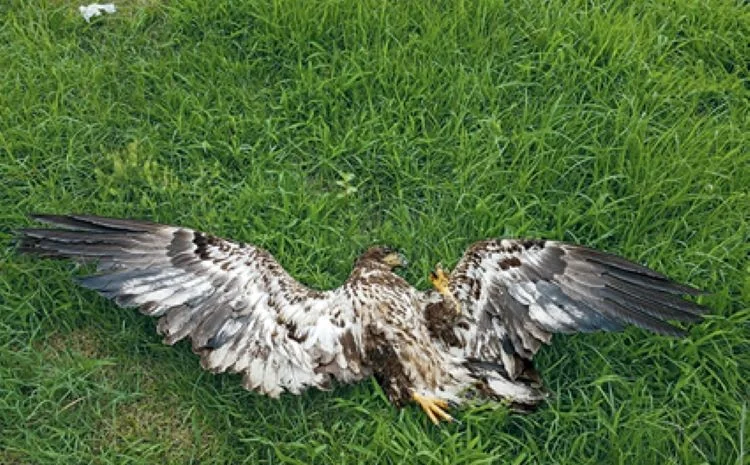
The project will safeguard birds of prey and other animals from electrocution as well as address power outages resulting from these incidents.
“By safeguarding wildlife, we are also improving power supply reliability to give a better experience for our customers. This is a win-win situation for the environment and our business," Engineer Pwani added.
The project kicked off at the Sosyambu Conservancy, approximately 130 kilometres northwest of Nairobi, where electrocution of most birds of prey has been reported.
The Soysambu Conservancy is a critical habitat for Kenya's raptors, such as the Augur Buzzard and Martial Eagle, species that utilise power lines and poles for perching and hunting.
KPLC said the Lanet Naivasha Interconnector, which traverses Soysambu Conservancy, has faced power supply interruptions linked to the electrocution of birds and animals such as giraffes.
"This line serves a big part of Nakuru County, and by undertaking this project here, we are looking forward to picking lessons that will be helpful as the project is rolled out in other hotspot areas across the country," said Wesley Kerich, Kenya Power's County Business Manager for Nakuru.
Lessons from the implementation of the wildlife protection project along this line will inform the rollout of the project across other areas within the country.
Beyond retrofitting wildlife-friendly covers on power lines, the partnership between Kenya Power's IESR and Kaddas Enterprises also includes a training component targeting KPLC’s technical staff that is intended to create awareness and develop champions to spearhead the wildlife protection agenda in designing the energy infrastructure.


















































Comments
Sign in with Google to comment, reply, and like comments.
Continue with Google