COTU backs High Court decision allowing outsourced workers to unionise
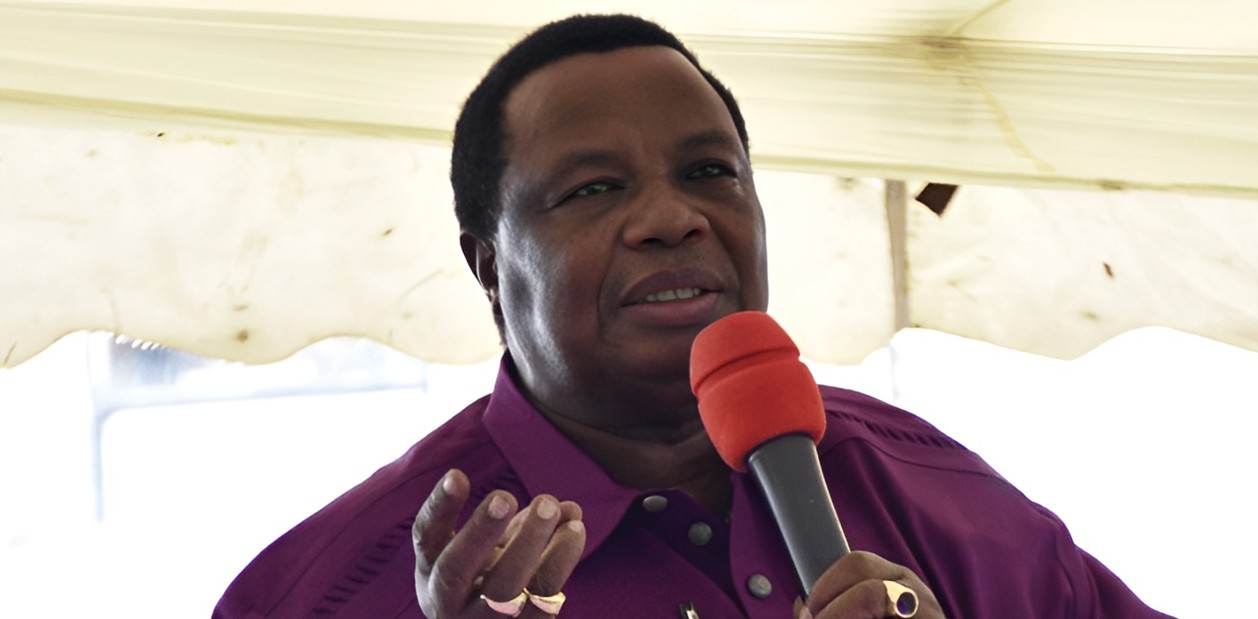
Atwoli said the ruling would protect thousands of workers who have been left without union representation and exposed to poor working conditions due to their employment arrangements.
Outsourced workers, including casual labourers, will now be allowed to join trade unions after a High Court decision that barred employers from discriminating against them compared to permanent employees, Central Organisation of Trade Unions (COTU) Secretary General Francis Atwoli has said.
Addressing the media on Wednesday, Atwoli said many outsourced workers have been used by private companies as a source of cheap labour, with some receiving lower pay despite doing similar jobs and having similar qualifications as permanent employees.
He said the ruling would protect thousands of workers who have been left without union representation and exposed to poor working conditions due to their employment arrangements.
More To Read
- COTU warns private pension providers against undermining NSSF
- Global supply chains keep workers poor: Three case studies show how cycle can be broken
- COTU pushes for PAYE relief for workers earning up to Sh60,000
- Minimum wages set to rise 12 per cent as CS Mutua signs legal notices
- War of words as COTU hits back at Gachagua over call for rival workers’ body
- COTU boss Atwoli backs 12 per cent wage hike, warns employers to comply with gazetted directive
He emphasised that COTU will continue advocating for low-paid workers to ensure they are not discriminated against in industrial relations practices, including issues affecting terms and conditions of service.
Latest Stories
“It is our workers' group to continue fighting for these lowly paid workers to make sure that there is no discrimination in the applications of the industrial relations practice, particularly when it comes to terms and conditions of service of our members and non-members too,” he said.
Atwoli noted that many outsourced workers have previously lacked union representation because they were not members of any union, making it difficult for them to seek help when facing workplace challenges.
“Because the outsourced people are normally not unionised, they don't belong to any union. They are not known to anybody else. They can't even access the MCA’s or members of parliament to make complaints when they have been exploited or when they have not been paid their dues, and they would be fired just like that,” he said.
He said the court decision will now give such workers a platform to seek support and ensure employers respect their rights.
“But with this ruling now, they are protected. If any employer tries to discriminate against them, they will come to us, and with this ruling as an authority, we will go back to court and make sure their rights have been observed, and whatever they want, they have gotten it,” Atwoli said.
Top Stories Today













































Comments
Sign in with Google to comment, reply, and like comments.
Continue with Google