Petition seeks ban on independent social media access for children under 16
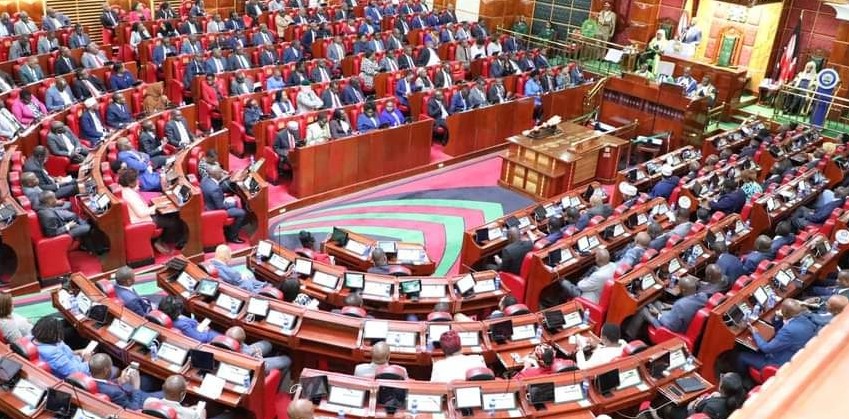
The petition is based on Article 53 of the Constitution of Kenya, the Children Act 2022 and the responsibility of the State to protect children from harmful influences.
Children below the age of 16 years could be restricted from independently accessing social media platforms if Parliament adopts proposals seeking to establish a legal framework for child online protection and digital responsibility.
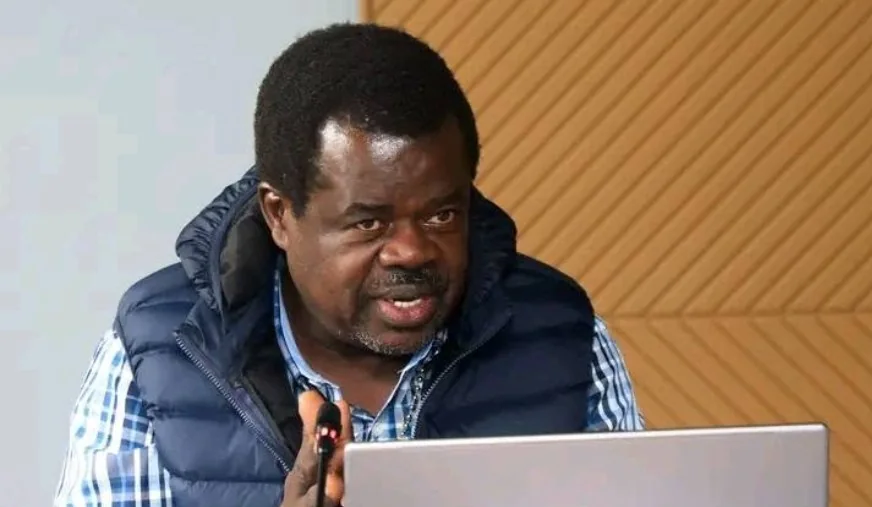
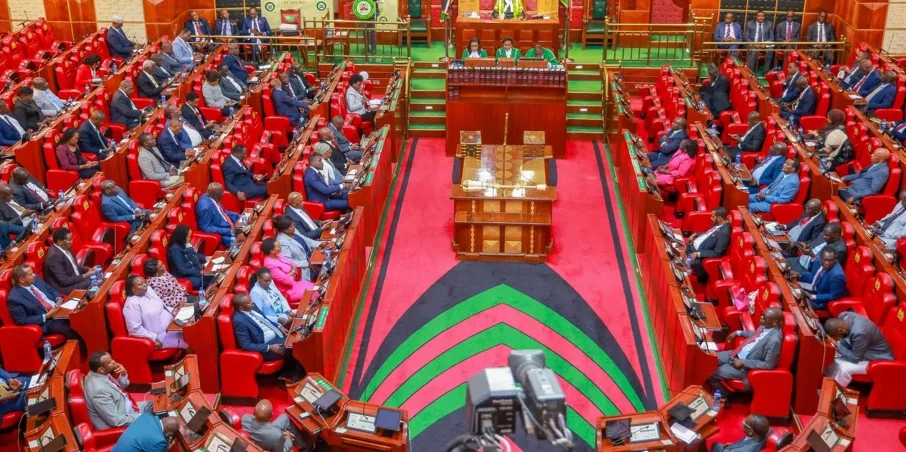
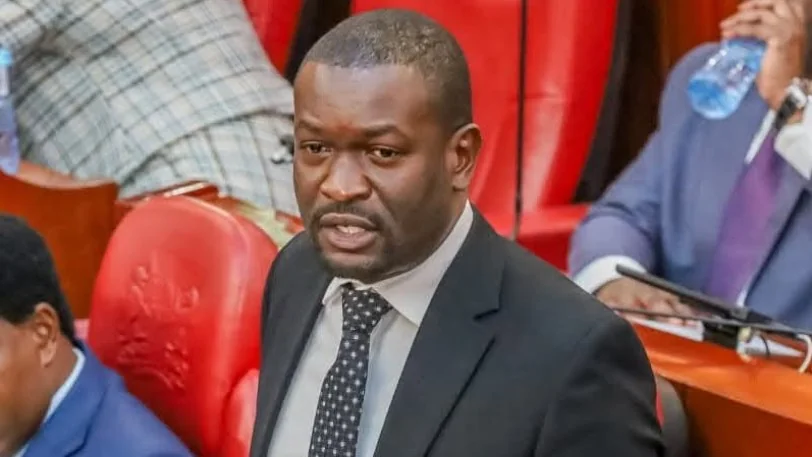
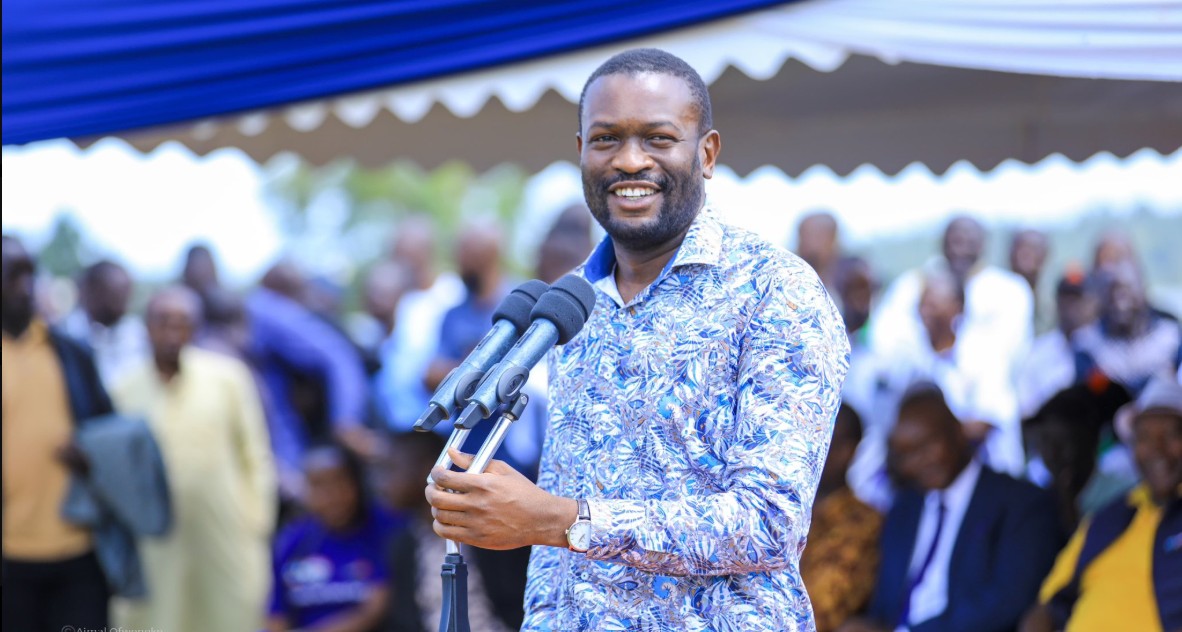
A petition filed before Parliament by Erickson Odhiambo seeks the enactment of a Child Online Protection and Digital Responsibility Act, citing the need to protect children from harmful online influences and promote responsible use of digital platforms.
The petition is based on Article 53 of the Constitution of Kenya, the Children Act 2022 and the responsibility of the State to protect children from harmful influences.
More To Read
- UK announces social media ban for under-16s
- Canada moves to ban social media for users under 16 years
- Indonesia rolls out social media ban for under-16s
- Khaby Lame is world’s most followed TikToker: Story of Senegalese‑born star who sold his identity
- How school, online bullying affect your child and how to detect warning signs
- An ‘alarming’ two-thirds of children say cyberbullying has increased
Odhiambo argues that children face growing risks online, including cyberbullying, harmful content, misinformation, online exploitation, addictive platform designs, declining educational performance and negative peer influence.
Odhiambo has now recommended setting 16 years as the minimum age for children to independently create social media accounts, introducing mandatory age verification systems and requiring parental consent before they access online platforms.
Latest Stories
- 2026 FIFA World Cup sets new single-day attendance record with 281,223 fans
- DRC Senate backs referendum Bill that could pave way for Tshisekedi’s third term
- New Regional Maritime Security Architecture brief highlights growing maritime security role in western Indian Ocean
- Four Somali states withdraw from fisheries strategy process over consultation concerns
He is also calling for digital citizenship education, stronger child safety obligations for technology companies and the establishment of a National Child Online Safety Commission to oversee child protection measures.
The petition comes after the UK announced plans to restrict children below 16 years from using some social media platforms as part of efforts to protect them from harmful content and excessive screen time.
UK Prime Minister Keir Starmer said the country would ban children under 16 from accessing platforms including Snapchat, TikTok and YouTube, a move that has received both support and criticism.
While some have welcomed the decision, others have questioned whether a blanket restriction would effectively protect children online.
YouTube and Meta, the parent company of Facebook and Instagram, warned that a broad ban could push children into less regulated online spaces.
“Blanket bans push kids out of such curated, supervised, beneficial experiences and towards anonymous, less-safe services,” a YouTube spokesperson said.
Meta said such restrictions could force teenagers to use online spaces that do not have parental controls.
Starmer acknowledged the difficulties involved in enforcing the restrictions but said, “I do believe we can enforce it. Teenagers drink before they should, but we do not then say, ‘in which case let us abandon any attempt to stop them buying alcohol.”
The British Prime Minister said some teenagers would attempt to bypass the restrictions but insisted that protecting children remained a priority.
“I am not prepared to compromise on the safety and happiness of our children. Every parent can see it with their own eyes. Social media is making children unhappy,” Starmer said.
“I’ve heard first-hand from families crying out for change, and we will do right by them.”
The planned ban, expected to take effect early next year, places the United Kingdom among countries introducing stricter measures on children’s access to online platforms.
Australia, Canada, Brazil and Indonesia have introduced laws or announced age-based restrictions, while France, Spain, Denmark, Thailand and South Korea are among countries considering similar measures.
The United Kingdom plans to use a similar approach to Australia, which became the first country to stop children below 16 from holding social media accounts.
Under the proposed system, platforms that fail to take reasonable steps to prevent children under 16 from accessing their services could face multimillion-dollar fines.
The United Kingdom said the restrictions would cover platforms including Snapchat, TikTok, YouTube, Instagram, Facebook and X, but would not include YouTube Kids or messaging services such as WhatsApp and Signal.
Starmer said enforcement measures would focus on technology companies rather than children.
Top Stories Today




























Comments
Sign in with Google to comment, reply, and like comments.
Continue with Google