The Energy and Petroleum Regulatory Authority (EPRA) has announced new monthly electricity tariff adjustments expected to increase power bills for households and businesses across Kenya in June 2026.
The changes introduce additional charges on forex fluctuations, fuel energy costs and water resource management, raising the cost of every unit of electricity consumed.
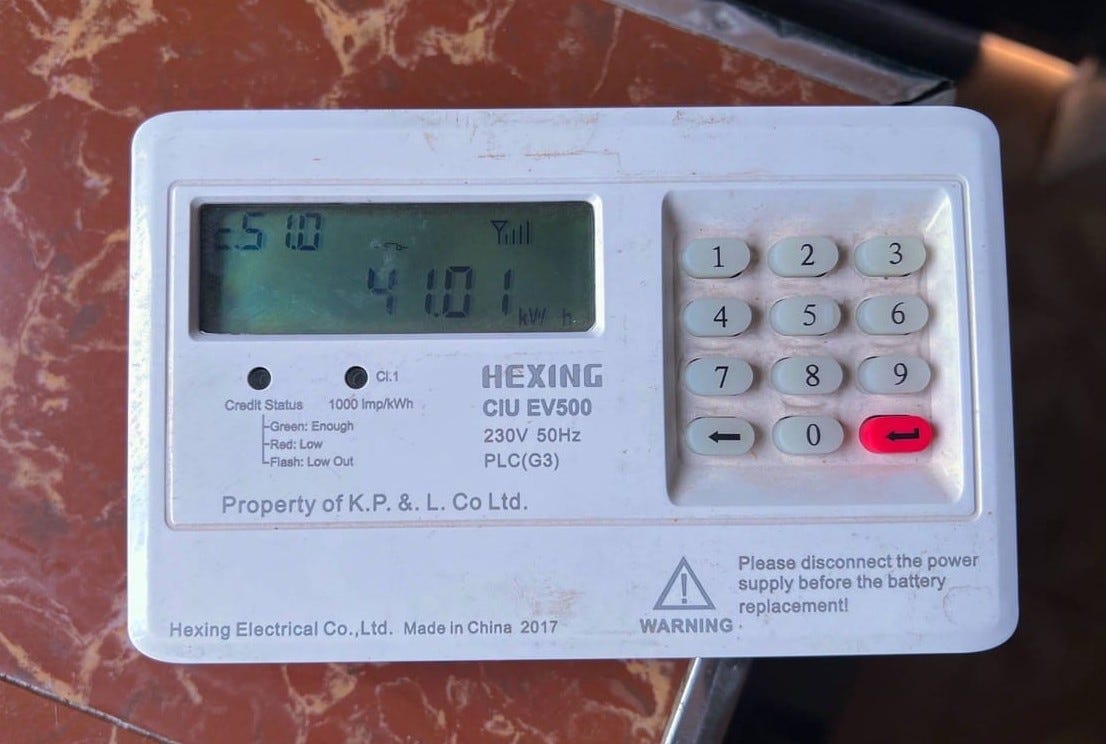
EPRA noted that the new tariff structure will apply to all electricity used during June meter readings, affecting both prepaid and postpaid customers as they pay for power consumption.
Under the revised charges, consumers will pay a forex fluctuation charge of Sh0.7154 per kilowatt-hour (kWh), a fuel energy cost charge of Sh3.14 per kWh and a Water Resource Management Authority levy of Sh0.0142 per kWh.
The three charges will add about Sh3.87 to every unit of electricity consumed, increasing the amount households and businesses spend on power.
"All electricity prices specified under the 2023 Schedule of Tariffs will attract a Fuel Energy Cost Charge of 314 Kenya cents per kWh for meter readings taken in June 2026," EPRA said.
For households, the increase will be reflected through higher token purchases for prepaid meters and larger bills for postpaid customers. Homes with low electricity use are also expected to feel the impact as the cost of lighting, cooking and running basic appliances rises.
The higher electricity charges are also likely to put more pressure on household budgets, with families already meeting expenses such as rent, food and transport.
Businesses that depend on electricity for daily operations are also expected to face increased costs. Small and medium-sized enterprises, including salons, retail shops, cyber cafés, bakeries and welding workshops, could see their expenses rise due to higher power costs.
Industries that consume large amounts of power, including manufacturing and hospitality, may also experience higher monthly operating expenses due to the new tariff adjustments.
EPRA said the changes were necessary to recover about Sh779 million in foreign-exchange losses incurred across the power sector over the past month.
Independent Power Producers accounted for the largest share of the losses at Sh663 million, while the Kenya Power and Lighting Company (KPLC) recorded Sh85 million and the Kenya Electricity Generating Company (KenGen) reported Sh31 million.
The forex fluctuation charge is linked to power purchase agreements that are mainly paid for in foreign currencies, especially the US dollar. Changes in exchange rates affect the cost of electricity generation, with the additional expenses passed on to consumers through monthly bills and token purchases.
The fuel energy cost charge is connected to the cost of operating thermal power plants and imported electricity. Diesel-powered generation remains expensive, and the costs are included in the monthly electricity tariff calculations.










































Comments
Sign in with Google to comment, reply, and like comments.
Continue with Google