Eastern DR Congo fighting kills scores, cuts food aid and drives mass displacement
The UN Office for the Coordination of Humanitarian Affairs (OCHA) said the situation in South Kivu province has deteriorated sharply since December 2 due to heavy fighting across multiple territories, including Uvira, Walungu, Mwenga, Shabunda, Kabare, Fizi and Kalehe.
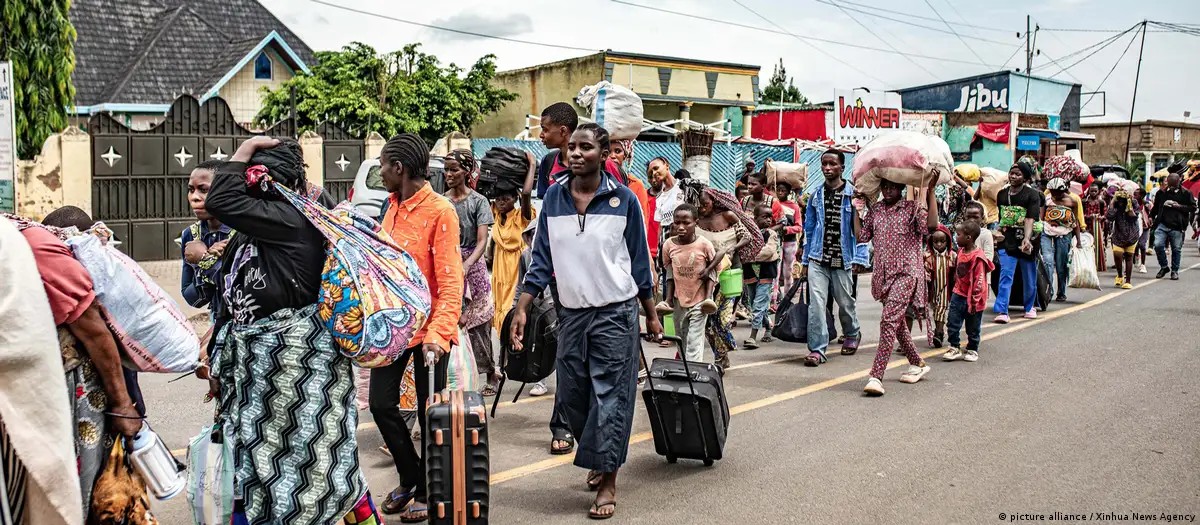
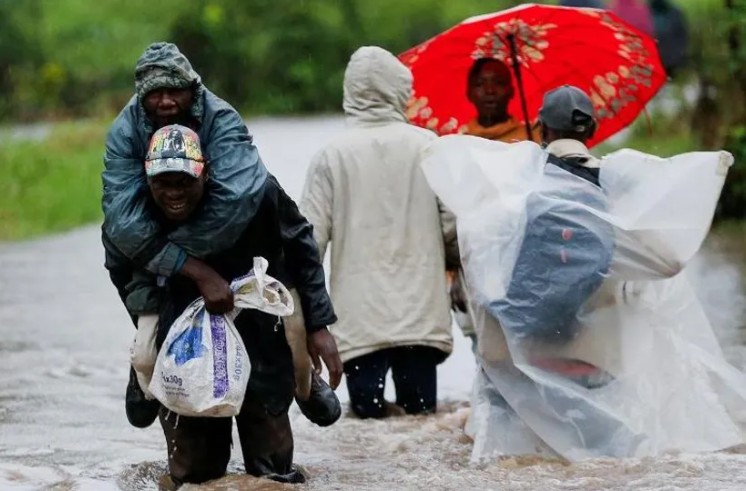
Intensifying fighting in eastern Democratic Republic of the Congo (DRC) has claimed more than 70 civilian lives, displaced over 200,000 people and cut thousands off from food assistance, prompting UN warnings of a rapidly expanding humanitarian emergency spilling across borders.
The UN Office for the Coordination of Humanitarian Affairs (OCHA) said the situation in South Kivu province has deteriorated sharply since December 2 due to heavy fighting across multiple territories, including Uvira, Walungu, Mwenga, Shabunda, Kabare, Fizi and Kalehe.
More To Read
- M23 rebels capture eastern DR Congo city of Uvira as thousands flee to Burundi
- Bloody clash leaves 30 dead, 20 injured as army, pro-government militia clash in eastern DR Congo
- UN hails DR Congo-Rwanda peace deal amid ongoing hostilities in the east
- Scepticism grows over DR Congo-Rwanda peace deal
- DR Congo, Rwanda vow to uphold Trump-backed peace deal
- Sudan’s crisis deepens with communities trapped in ‘siege conditions’
According to media reports, members of the armed group M23 entered the key city of Uvira on Wednesday, and residents described a sense of fear and uncertainty.
Radio Okapi, run by the UN peacekeeping mission MONUSCO, reported that more than 74 civilians have been killed and at least 83 wounded in clashes between Congolese forces and armed groups since early December. The station said thousands more have fled across borders into Burundi and Rwanda.
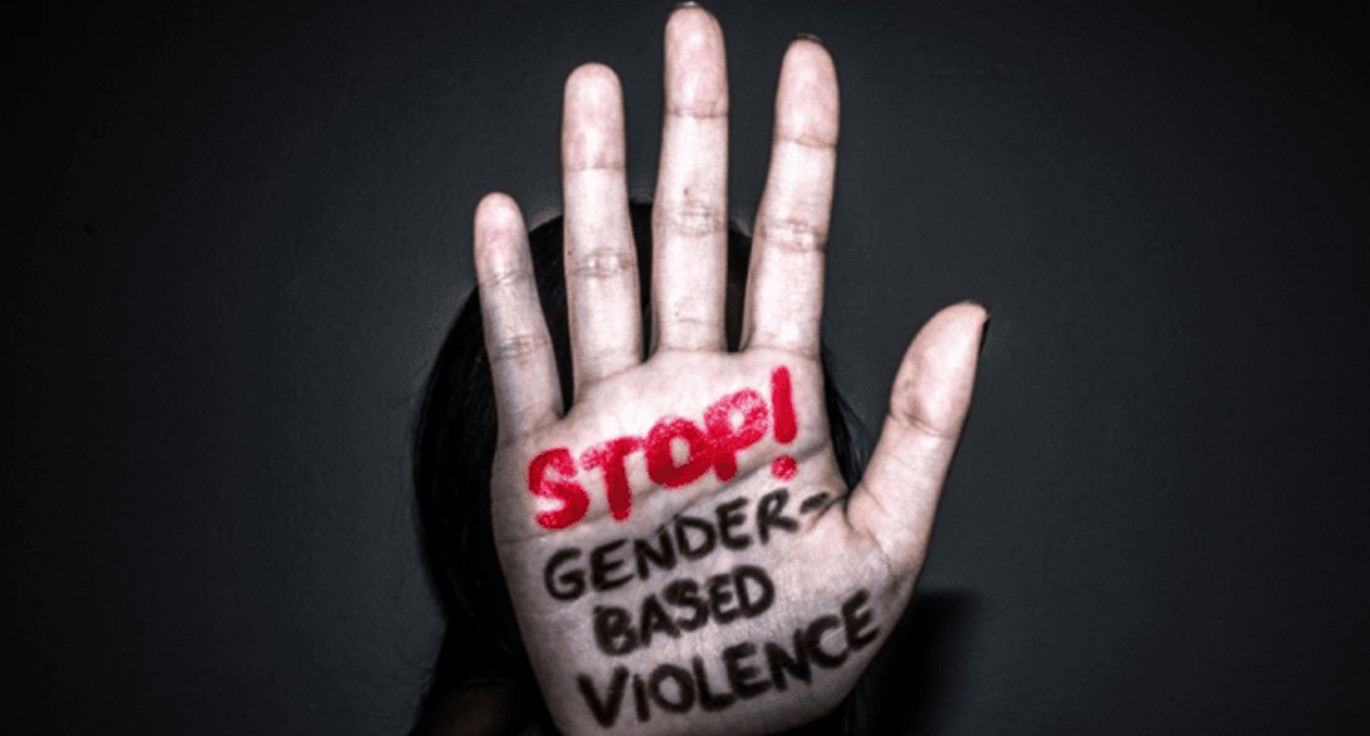
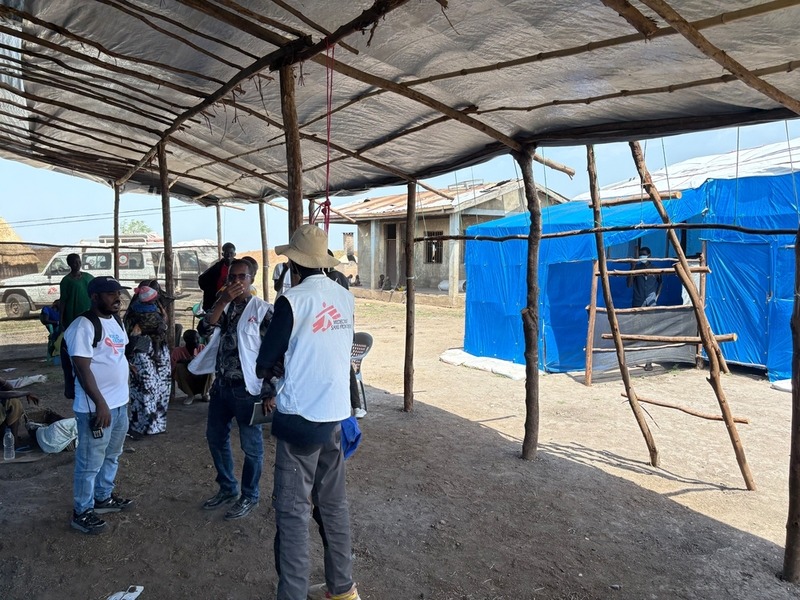
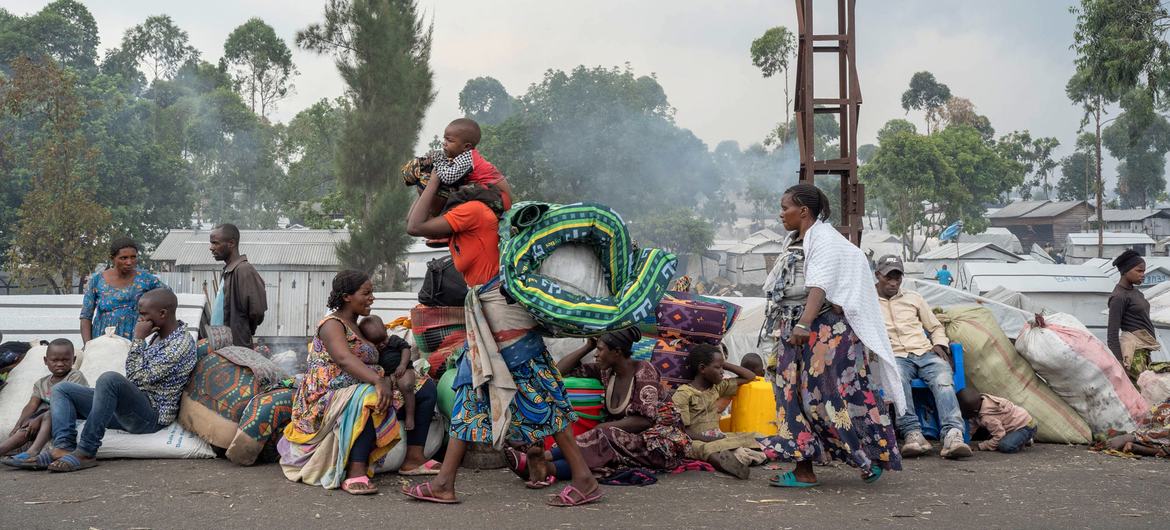
Most of the displaced inside South Kivu are sheltering in overcrowded sites, facing heightened protection risks, poor sanitation and the growing threat of disease outbreaks. Displaced women and girls face heightened risks of gender-based violence in overcrowded shelters.
Food assistance suspended
Humanitarian assistance programmes, including food aid and healthcare, have been affected by the insecurity.
The UN World Food Programme (WFP) has suspended operations across South Kivu, cutting off 25,000 people from life-saving food support, according to UN Deputy Spokesperson Farhan Haq.
“Host families, already facing emergency levels of food insecurity, are sharing the last of their food with displaced people,” he told journalists in New York.
At least 32 schools in Uvira supported by WFP have halted classes to shelter displaced families, leaving more than 12,000 children without what is often their only hot daily meal. Humanitarian agencies warned that food stocks in the area could run out within weeks if access and funding are not restored.
Cross-border fears grow
“The humanitarian impact of the crisis is now spilling across borders,” Haq said, reporting that nearly 25,000 people crossed into Burundi between December 5 and 8, with additional arrivals also reported in Rwanda.
In both countries, humanitarian partners and national authorities are scaling up emergency assistance, including hot meals, safe water and health services.
The escalation comes despite diplomatic efforts to reduce regional tensions. Last week, the DRC and Rwanda signed a United States-backed peace accord, welcomed by the United Nations as a “critical step” toward restoring trust.
Funding challenges deepen the crisis
Funding shortfalls are compounding the emergency.
The DRC Humanitarian Response Plan is only 22 per cent funded, leaving a gap of nearly $2 billion, Haq warned. In Burundi, less than $33 million has been mobilised against a requirement of almost $77 million to support new arrivals.
“We call on all parties to the conflict to immediately cease hostilities, uphold international humanitarian law, protect civilians and civilian infrastructure, and ensure safe, rapid and unimpeded humanitarian access,” he said.
Top Stories Today