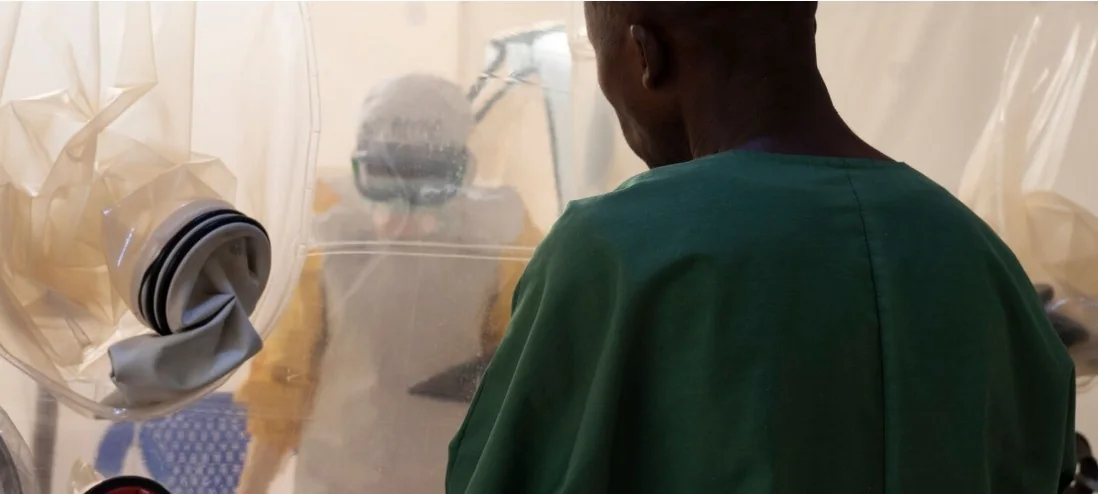
The World Health Organisation (WHO) has launched a clinical trial in the Democratic Republic of Congo (DRC) to test whether two experimental treatments can improve survival during an outbreak of Ebola caused by the Bundibugyo virus.
There are currently no approved treatments for Ebola caused by the Bundibugyo virus, and existing therapies for other Ebola strains do not work across all types of the disease, leaving a significant gap in care during outbreaks.
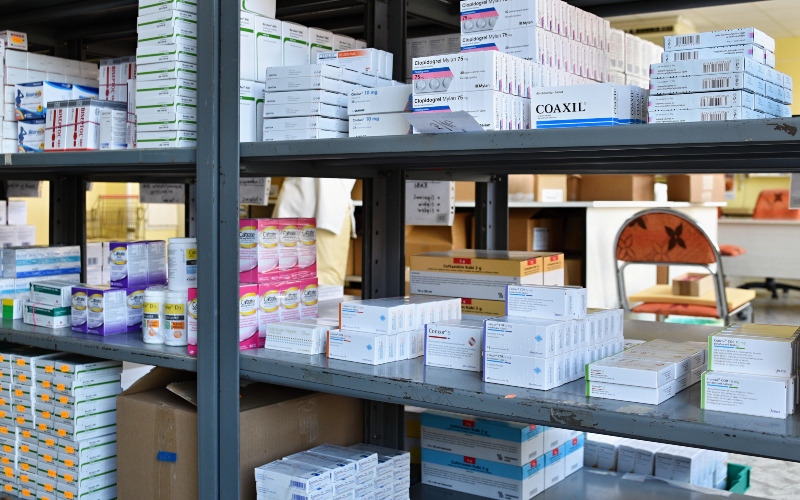
The trial will test two antiviral treatments: a monoclonal antibody known as MBP134 and the antiviral drug Remdesivir, and will also examine whether combining them improves outcomes.
WHO’s Technical Advisory Group selected the treatments after reviewing laboratory research, safety data and evidence from previous outbreaks.
According to DRC health authorities, more than 1,400 cases of the disease have been confirmed since the outbreak began in mid-May, with nearly 440 deaths and about 210 recoveries.
“Even without approved therapeutics, people are recovering from this disease, but of course, we could save many more lives with safe and effective therapeutics in our toolkit,” said WHO Director-General Dr Tedros Adhanom Ghebreyesus.
The trial is a randomised controlled study enrolling patients of any age with confirmed infection. All participants will receive standard supportive care and will be monitored for at least 28 days.
According to the WHO, additional treatments can be added to the trial over time if they meet scientific and safety requirements. This approach, the WHO says, is intended to speed up research during outbreaks rather than waiting for studies to be conducted after emergencies end.
“One of the key lessons from recent outbreaks is that research needs to happen alongside the response, not after it. The PARTNERS trial gives us an opportunity to evaluate potential treatments during the outbreak itself,” said Professor Amanda Rojek, who leads trial operations.
“By integrating this trial into clinical care, we are giving patients access to promising investigational treatments while generating the evidence needed to improve care for current and future outbreaks,” added Prof Jean-Jacques Muyembe-Tamfum of the DRC’s National Institute for Biomedical Research (INRB).
If successful, the study could help identify effective treatments for the Bundibugyo strain of Ebola and strengthen global preparedness for future outbreaks.
“The outbreak is designed to operate seamlessly across multiple outbreaks, providing a sustainable research platform to generate evidence on safe and effective treatments for Ebola and Marburg diseases," said WHO.




























Comments
Sign in with Google to comment, reply, and like comments.
Continue with Google