Kenya's private sector returned to stable operating conditions in June after three consecutive months of deterioration, as businesses reported an improvement in overall activity.
This is despite persistent cost pressures that hit the market during the month.
The latest Purchasing Managers' Index (PMI) survey put the headline figure at 50.0, a jump from 46.6 in May.
Notably, the index stood at 50.4 in February, then slipped to 47.7 in March, recovered slightly to 49.4 in April, and fell further to 46.6 in May.
Readings above 50.0 signal an improvement in business conditions on the previous month, while readings below 50.0 show deterioration.
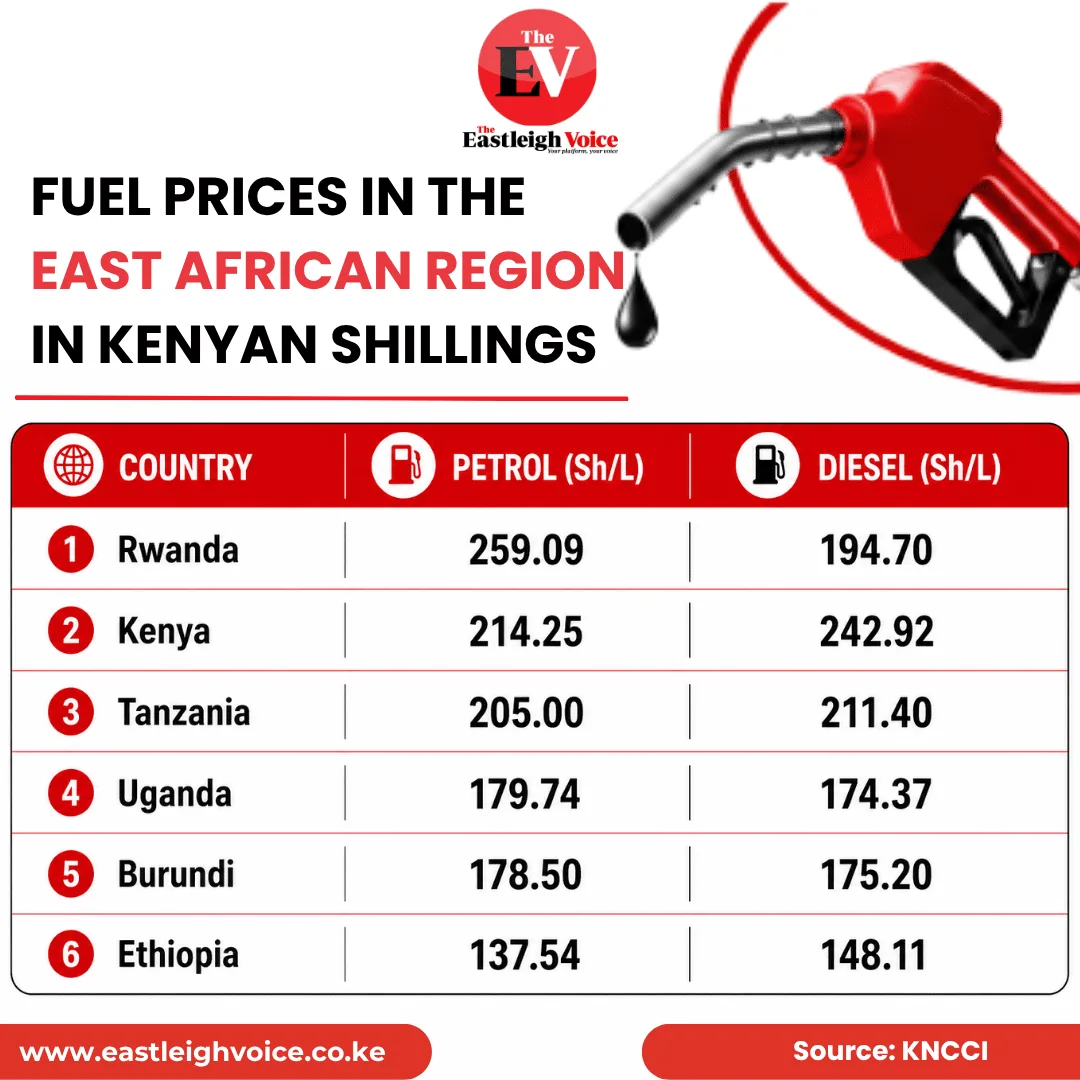
The rebound, however, came against a backdrop of mounting inflationary pressures, with firms raising selling prices at the fastest pace on record as higher fuel prices pushed up operating costs.
The increase in charges reflected businesses' efforts to pass on part of the additional cost burden to customers.
Despite the improved headline reading, firms continued to report subdued business activity for the fourth consecutive month, citing weak customer demand, supplier capacity constraints and reluctance to purchase inputs amid rising costs and tight cash flows.
Although the decline in output eased compared to May, it remained significant, highlighting the fragile nature of the recovery.
Positively, new order inflows returned to growth territory for the first time since February, albeit with only a modest rise overall.
Firms reporting a boost to sales suggested these had been earned through customer referrals, marketing campaigns and business growth initiatives.
This mismatch between output and new orders in Kenya’s private sector resulted in a solid increase in unfinished business.
Panellists also suggested that vendor delays and higher input prices contributed to the rise.
The survey also signalled the greatest lengthening of overall supplier delivery times since April 2020, as firms noted that product shortages and higher fuel prices had often made vendors reluctant to deliver goods until transport capacity was full.
Around 41 per cent of monitored companies reported an increase in total input costs, pushing the rate of overall cost inflation to its highest level since November 2023.
As well as the impact of fuel prices, panellists mentioned higher costs for items such as foodstuffs, paper, IT equipment and construction materials.
“The marked surge in business costs underscored a record mark-up in average prices charged at Kenyan firms in June, which culminated in a sharp acceleration in selling charge inflation seen over the course of the second quarter,” reads the report.
Considering the steep increase in costs, firms reduced their input expenditure for the second month running.
Nevertheless, stock levels rose slightly as some firms built inventories amid strengthening confidence.
An increase in employment was also recorded, following a slight decrease in May.
Output expectations improved for the second straight month in June to reach their highest level since February 2023.
Anecdotal evidence showed that firms broadly looked beyond current inflation concerns and were buoyed by planned business developments, new market entries, greater marketing and innovation.















































Comments
Sign in with Google to comment, reply, and like comments.
Continue with Google