KRA loses Sh9.1 billion in a month after fuel VAT cut from 16 to 8 per cent
KRA loses Sh9.1 billion in a month after fuel VAT cut from 16 to 8 per cent

KRA Commissioner for Customs and Border Control Lilian Nyawanda said the VAT reduction was necessary to cushion consumers from rising fuel costs, although it significantly reduced revenue collections from one of the country's key tax streams.

Kenya Revenue Authority (KRA) has forgone Sh9.1 billion in tax revenue between April and May 2026 following the government's decision to reduce Value Added Tax (VAT) on fuel from 16 per cent to 8 per cent.

The tax cut was introduced as part of measures aimed at cushioning consumers and businesses from rising global fuel prices. 
Speaking before the Senate Standing Committee on Energy, KRA Commissioner for Customs and Border Control Lilian Nyawanda said the VAT reduction was necessary to cushion consumers from rising fuel costs, although it significantly reduced revenue collections from one of the country's key tax streams.

Nyawanda affirmed to the committee that KRA remains committed to supporting government interventions aimed at stabilising the economy while ensuring the steady supply of petroleum products through efficient customs administration and trade facilitation processes.
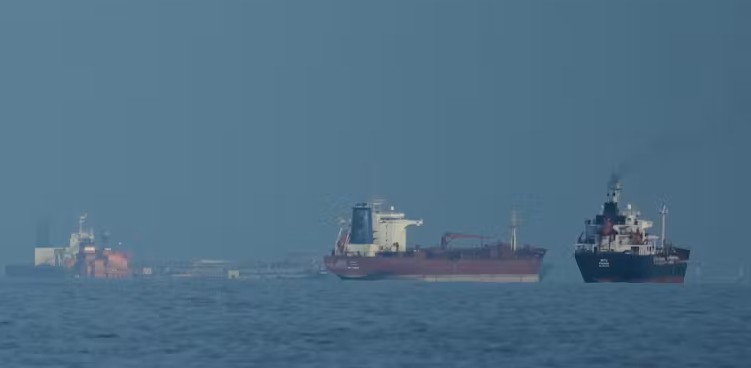
During the session, she also addressed concerns surrounding the Premium Motor Spirit (PMS) consignment delivered by the vessel MT PALOMA, which is currently under investigation over contamination concerns.
Advertisement
The shipment attracted public attention earlier this year after quality tests reportedly raised questions about its compliance with required fuel specifications, prompting regulatory scrutiny and concerns over possible supply disruptions.
Nyawanda clarified that the fuel never entered the Kenyan market.
According to her, the consignment was subsequently re-shipped to other markets, while the related customs entries were cancelled.
Taxes amounting to Sh5.1 billion that had been paid by various Oil Marketing Companies (OMCs) through the principal importer, MT PALOMA, are now set to be transferred to customs declarations relating to subsequent fuel consignments.
Nyawanda highlighted that KRA's role in the petroleum supply chain is primarily to facilitate imports and customs clearance once the relevant Partner Government Agencies (PGAs) have completed quality assurance and compliance checks.
She maintained a brave face that the Authority works closely with other agencies to support the uninterrupted movement of petroleum products into the country.
“KRA supports the petroleum supply chain through the expeditious processing of import documentation, timely assessment and collection of duties, VAT, levies and other statutory charges, as well as the prompt release of cargo at petroleum depots in Mombasa and across the country,” Nyawanda said.
Advertisement

Comments

0
Loading comments...

Trending

Popular Stories This Week