Court nullifies ODPP senior promotions, orders fresh recruitment over flawed process
Listen
Read this story aloud
Listen to the clean text version of this article.
The court directed the ODPP to re-advertise the vacancies, invite eligible candidates to apply and undertake a recruitment process that is transparent, credible and capable of independent audit.
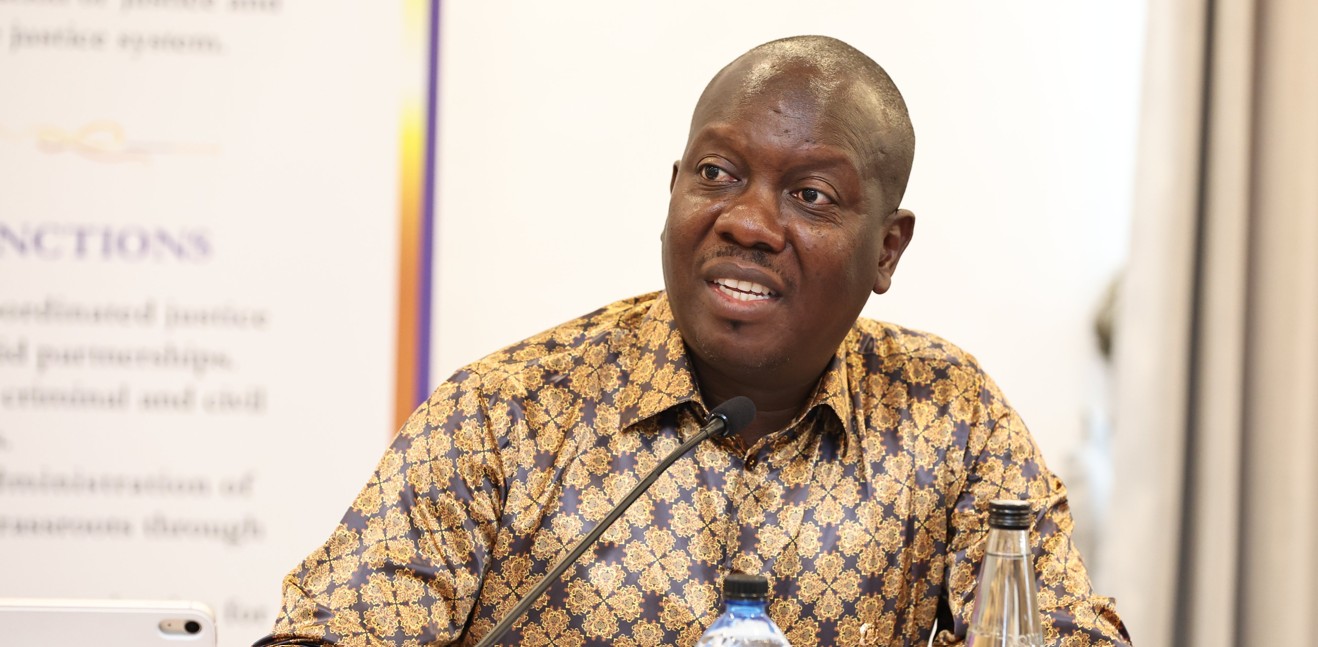
The Employment and Labour Relations Court has nullified the appointment of senior prosecutors at the Office of the Director of Public Prosecutions (ODPP), finding that the recruitment process was unconstitutional, opaque and failed to meet the standards of fairness and transparency required in public service appointments.
In a judgment delivered by Justice Jacob Gakeri, the court ordered the ODPP to re-advertise the positions and conduct a fresh, transparent and auditable recruitment process after concluding that the selection process violated constitutional principles governing public appointments.
The case was filed by Senior Assistant Director of Public Prosecutions Mark Nabuyumbu Barasa, who challenged his exclusion from the initial shortlist for the positions of Senior Deputy Director of Public Prosecutions (DPP 2) and Deputy Director of Public Prosecutions (DPP 3).
More To Read
- Youth benefit as Mombasa launches County Revolving Fund Board
- Court allows DPP to withdraw KCSE exam leakage case against former Merishaw principal
- Blaming migrants ignores the real causes of South Africa’s economic crisis
- Private sector signal slower recruitment in 2026 - CBK survey
- Nairobi planning professionals warn against misplaced blame in Manzil Towers case
- Jobs dip for first time in 16 months as Kenya's private sector contracts for three months
He argued that despite meeting all qualifications, he was unfairly left out while junior officers were shortlisted, alleging discrimination, victimisation and a lack of transparency in the recruitment exercise.
Although the ODPP later invited Barasa for an interview after reviewing complaints from unsuccessful applicants, the court found the respondents had failed to explain how more than 20 officers who had initially been excluded suddenly qualified for interviews.
"There was also no formula placed before this court to show how the shortlist was arrived at and how the Petitioner and the other applicants missed the first selection but were lucky enough to be invited for interviews, but yet again, did not qualify for the positions," Justice Gakeri said.
Latest Stories
The judge held that the respondents failed to produce evidence showing the criteria used to shortlist candidates or the scoring system applied during recruitment, despite having the opportunity to do so.
"A panoramic view of the recruitment process reveals that the processes employed by the Respondents fell below the constitutional threshold and the resultant appointments cannot stand and are declared null and void," the judge ruled.
Justice Gakeri further observed that the unexplained exclusion of numerous qualified applicants raised serious concerns about the integrity of the exercise.
"The most intriguing part of the respondent's recruitment process was what happened to those who did not seek review on the assumption that the process was conducted on merit," he stated.
The court directed the ODPP to re-advertise the vacancies, invite eligible candidates to apply and undertake a recruitment process that is transparent, credible and capable of independent audit.
The court also found that the ODPP violated Barasa's constitutional right to fair administrative action by refusing to provide the information he requested regarding the recruitment process.
Justice Gakeri awarded the petitioner Sh1 million in damages for the violation of his constitutional rights but ordered each party to bear its own legal costs, noting that the employment relationship between the parties still exists.
Other Topics To Read
Top Stories Today








































Comments
Sign in with Google to comment, reply, and like comments.
Continue with Google