Debt, wages devour 68 per cent of Kenya’s revenue, leaving citizens struggling - KHRC report
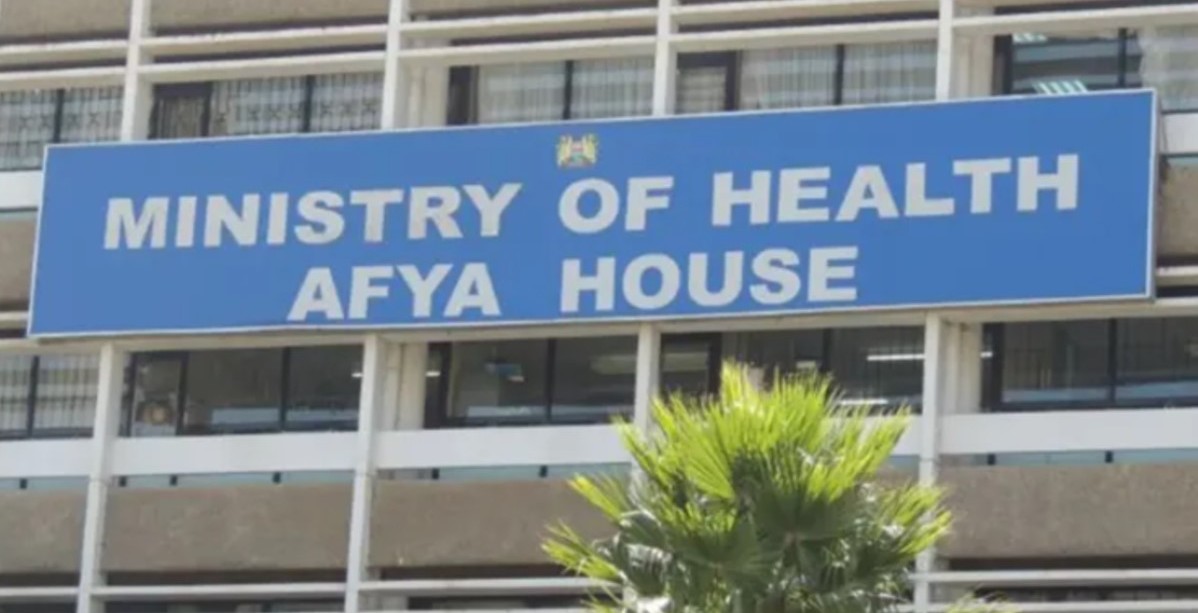
A KHRC report says Kenya now spends 68% of ordinary revenue on debt and wages, breaching legal limits and shrinking funds for health, social protection and development projects.
Kenya is spending 68 per cent of its ordinary revenue on debt and the wage bill, leaving critical sectors starved of funding at a time when millions of citizens are struggling under rising living costs.
A new report by the Kenya Human Rights Commission (KHRC) shows that essential public services have been weakened by runaway debt servicing and a swelling wage bill, placing families, youth and persons with disabilities at heightened risk.
More To Read
- Auditor General flags public universities over Sh62 billion wage bill
- Three years of William Ruto: The successes and failures shaping his legacy as president
- Kenya secures Sh22 billion loan from Japan to boost industry, cut power bills
- Kenya's debt burden: Repayments outstrip education, health spending, UNCTAD report reveals
- Treasury given 60-day ultimatum to deliver debt management framework
- Why Kenya’s debt outlook is improving: Stronger shilling, weaker dollar, policy shifts drive decline
The report dubbed “The Economics of Repression” found that Kenya’s public wage bill accounts for 41.8 per cent of ordinary revenue, exceeding the 35 per cent legal ceiling.
The law mandates that at least 30 per cent of the national budget be allocated to development, yet wages and debt repayments leave less than 10 per cent for these crucial investments.
KHRC’s research analysed national spending trends from 2020/21 to 2024/25 and engaged Nairobi residents to understand the social impact.
It found that government priorities overwhelmingly favour creditors and bureaucracy, while ordinary families and marginalised groups, including persons with disabilities, youth, minorities, children, older persons and communities historically disadvantaged by economic, social and political marginalisation bear the brunt of fiscal pressures.
In just four years, the report notes that interest payments on public debt have risen from 18 per cent to 25 per cent of total spending, further draining funds meant for essential services. Development spending has also fallen below 25 per cent, even as the cost of living hits historic highs.
KHRC notes that programs designed to protect vulnerable citizens are shrinking just when they are most needed. Support for older persons has fallen from Sh18 billion to Sh15 billion, funding for orphans dropped from Sh7 billion to Sh5 billion, and resources for individuals with severe disabilities continue to decline in real terms.
Health spending is also under pressure. According to the report, Nairobi, home to more than 5.7 million residents, real health expenditure has dropped from Sh8 billion to Sh7 billion.
At the same time, the county’s pending bills have surged to 300 times its total expenditure, and the wage bill now consumes nearly half of the budget, leaving very little for actual service delivery.
KHRC reports that these financial pressures have tangible consequences.
“Families described hospitals without medicine, patients turned away for lack of insurance, and disrupted schooling caused by delayed capitation funds from the national government. Youth spoke of job losses as businesses struggle under heavy taxation, while persons with disabilities wait years for support. Single mothers and families in informal settlements report being completely abandoned,” reads the report.
The study said the widespread effects have also hit other sectors, including classrooms where there is overcrowding, pharmacies lacking essential medicines, patients being denied services, schools delaying learning or sending children home, youth facing job losses and housing programs excluding vulnerable families and persons with disabilities reporting multi-year delays in accessing funds.
KHRC said the choices by the government, particularly the Kenya Kwanza administration, punish citizens while protecting political and bureaucratic interests, with corruption and waste worsening the crisis.
The report emphasises that Kenya’s fiscal trajectory undermines constitutional obligations to progressively realise economic and social rights. Articles 202, 203, and 223 of the Constitution provide a framework for responsible public borrowing, requiring alignment with development priorities, parliamentary oversight, and fiscal sustainability. Vision 2030 also stresses efficient and equitable resource allocation.
KHRC notes that borrowing decisions are frequently influenced by political priorities and election-driven infrastructure projects, with limited parliamentary oversight.
“Amendments to the Public Finance Management Act in 2014 granted the Treasury Cabinet Secretary broad authority to borrow, bypassing legislative scrutiny. This has contributed to rising debt levels exceeding Sh12 trillion, raising concerns about unsustainable and possibly unauthorised debt accumulation,” reads the report.
Wage bill reforms, according to international standards, should preserve essential public services and prioritise vulnerable groups. Despite a decline from 54.8 per cent of ordinary revenue in 2020/21 to 41.8 per cent in 2024/25, KHRC says Kenya’s wage bill remains above the legal ceiling of 35 per cent.
Expansion of administrative staff, staffing pressures at national and county levels, and demands for wage harmonisation have contributed to the sustained high cost.
Top Stories Today