Tanzania faces mounting global pressure after bloody October election
Tanzania's response has been predictable. Officials describe the criticism as foreign interference and insist that the country will not be 'lectured by outsiders on democracy'.
After the bloody October 29 election that left hundreds dead, Tanzania now faces an unusual convergence of external pressure, from its African neighbours, Western partners and veteran African statesmen - all questioning the credibility of its vote and the government's heavy-handed response.
Ghana, normally soft-spoken on the internal affairs of fellow African governments, this week issued a blistering statement lamenting Tanzania's "rapidly evolving political and human rights situation", urging independent investigations.
More To Read
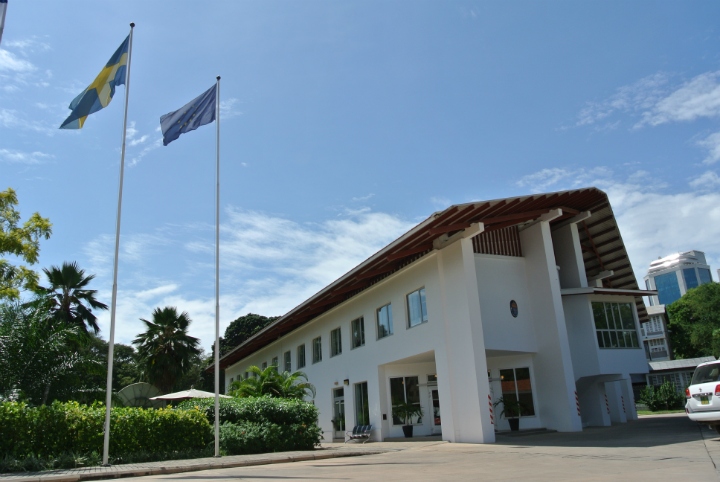
- Sweden to phase out bilateral cooperation with Tanzania by August 2026
- Tanzania pushes back on foreign criticism, cites Commission of Inquiry on election violence
- Tanzania charges activist Mange Kimambi with economic sabotage, money laundering
- Tanzania President Samia defends use of force on protesters, cites ‘attempted coup’ threat
- Tanzania’s opposition leader Tundu Lissu ‘isolated’ in Ukonga Prison, claims Chadema
- Tanzania dispatches envoy to Brussels to avert Sh23.3 billion EU aid freeze
Former South African President Thabo Mbeki, one of Africa's most senior elder statesmen, went further. His foundation declared that Tanzania now "lacks a legitimate government", warning that the administration appears to rest on "force and fraudulent means".
Western embassies break their silence
Western countries, too, have weighed in with coordinated precision.
A joint bilingual statement by over a dozen diplomatic missions, from the UK and Canada to the Netherlands, France, Spain, Germany and the EU, expressed alarm over "extrajudicial killings, disappearances, arbitrary arrests and concealment of dead bodies".
Sweden has already suspended aid. The United States, more cautious, says it will "review its relationship" with Tanzania, Washington's familiar euphemism for tightening bilateral screws.
The Commonwealth went further still, placing Tanzania under formal monitoring - the strongest censure the organisation can issue short of suspension.
That level of pressure is typically reserved for states sliding into outright authoritarianism.
Dodoma's old reflex
Tanzania's response has been predictable. Officials describe the criticism as foreign interference and insist that the country will not be 'lectured by outsiders on democracy'.
In Dodoma's worldview, sovereignty is not merely a legal posture but a national identity, a political inheritance from the country's founding father, Julius Nyerere, polished and hardened over decades.
Yet sovereignty is proving a brittle shield. The country risks becoming a regional outlier at a moment when it can least afford diplomatic isolation.
An uncomfortable spotlight
The growing list of critics - Ghana, the Commonwealth, Mbeki, Western embassies, and regional observer missions from SADC and the AU - collectively undermine Tanzania's defence that its crisis is merely a 'local' matter best handled quietly.
Indeed, the region's mood is shifting. African governments, once reluctant to criticise one another, are now more willing to uphold democratic norms when disorder threatens regional stability.
A test of pride and pressure
For Tanzania, the dilemma is becoming harder to avoid. By yielding too much to external pressure, it risks appearing weak before a domestic audience; resist too strongly, and it risks deeper isolation - diplomatic, economic and reputational.
Top Stories Today