WHO review finds no link between childhood vaccines and autism
WHO advises health authorities to rely on the latest scientific findings and ensure vaccine policies are grounded in the strongest available evidence.
Vaccines do not cause autism. This is according to a new analysis from a WHO global expert committee on vaccine safety, which found no evidence linking childhood vaccines to autism spectrum disorders (ASD).
The findings reaffirm WHO’s long-standing position that immunisation is safe and does not contribute to the development of autism.
More To Read
- Traditional medicine is now a global reality: WHO
- WHO warns tobacco use threatens fertility in men, women
- Malaria: Drug resistance and underfunding threaten progress towards eliminating killer disease
- Sudan’s crisis deepens with communities trapped in ‘siege conditions’
- Adult obesity treatment enters new era with WHO-endorsed GLP-1 drugs
- Scientists warn persistent thyroid imbalance during pregnancy raises autism risk
Autism spectrum disorder (ASD) is a lifelong neurodevelopmental condition that affects how a person communicates, interacts socially, and interprets the world around them. Signs of autism usually appear in early childhood. Children may struggle with social communication, finding it difficult to interpret facial expressions, gestures, or tone of voice. Speech may develop later than usual or present in unique patterns.
Children with ASD engage in repetitive behaviours or insist on routines that give them a sense of order and predictability. Some experience unusual sensory responses, becoming either overly sensitive or under-responsive to sounds, touch, light, or textures.
While there is no cure for autism, early intervention can make a profound difference. Therapies such as behavioural therapy, speech and language support, and occupational therapy help children develop essential communication, social, and life skills. In some cases, targeted medication may be used to manage symptoms like anxiety, irritability, or hyperactivity, always under professional guidance.
It is against this medical background that the Global Advisory Committee on Vaccine Safety (GACVS), an independent group of international experts established in 1999, met on 27 November 2025 to review the latest scientific evidence.
Their analysis focused on claims linking thimerosal-containing vaccines to ASD and on broader concerns about whether vaccines in general play any role in autism. After evaluating 31 high-quality studies published between 2010 and 2025, involving multiple countries and populations, the Committee found overwhelming evidence confirming the safety of vaccines given during childhood and pregnancy and ruling out any causal link with ASD.
The Committee also examined studies on vaccines containing aluminium adjuvants, reviewing data collected from 1999 to March 2023. A major nationwide cohort study from Denmark, covering children born between 1997 and 2018, was part of this assessment. Across all the evidence reviewed, no association was found between the tiny amounts of aluminium used in some vaccines and autism.
Following this comprehensive review, GACVS reaffirmed its earlier conclusions made in 2002, 2004, and 2012: vaccines, including those containing thiomersal or aluminium, do not cause autism. The updated findings add to decades of research demonstrating the strong safety profile of vaccines and underscore their essential role in protecting children’s health worldwide.
WHO advises health authorities to rely on the latest scientific findings and ensure vaccine policies are grounded in the strongest available evidence.
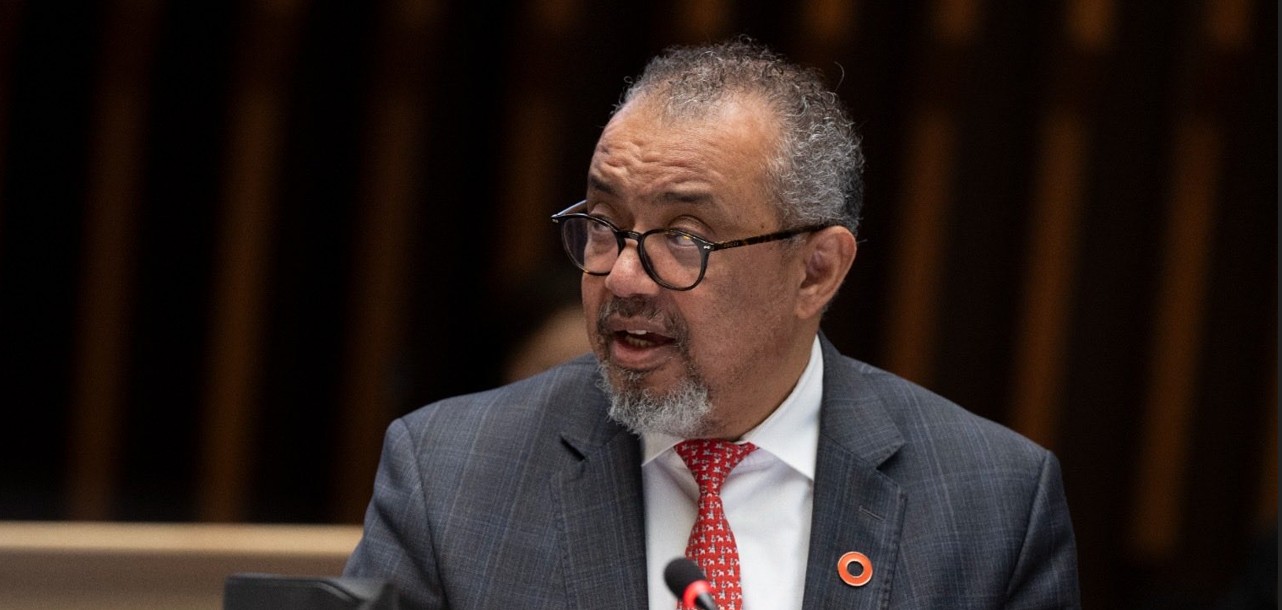
In a post on X, WHO Director-General Dr Tedros Adhanom Ghebreyesus noted that scientific evidence continues to reaffirm there is no causal link between vaccines and autism.
Dr Tedros emphasised that, like all medical products, vaccines can cause side effects, and WHO monitors these closely to ensure ongoing safety. Autism, however, is not one of those side effects.
“This is the full, thorough review of the evidence - vaccines do not cause autism,” he noted. “What vaccines do cause is a drop in under-five mortality, which has significantly decreased over the past 25 years largely because of immunisation.”
He added that WHO continues to closely monitor any side effects linked to vaccines, but autism is not one of them.
Top Stories Today