Explainer: From Madaraka to Jamhuri, tracing Kenya’s road to freedom

Jamhuri Day, observed on December 12, 1964, celebrates Kenya’s full independence as a republic. “Jamhuri” translates to “republic” in Swahili.
Every December, Kenya comes alive with celebrations that honour the country’s journey from colonial rule to independence.
While Jamhuri Day takes centre stage, the story of Kenya’s freedom actually begins earlier with Madaraka Day, marking the first moment Kenyans took control of their own governance.
More To Read
- Gen Z redefines freedom as Kenya marks 62 years of independence
- Watch: 62nd Jamhuri Day celebrations at Nyayo Stadium
- Police announce road closures, traffic diversions for Jamhuri Day celebrations at Nyayo Stadium
- Police officers returning from Haiti to be honoured at Jamhuri Day parade
- Ex-Senator Billow Kerrow slams Mandera Governor for moving Jamhuri Day celebrations to Elwak amid worsening drought
- Thousands flood Raila Odinga Stadium after hours-long wait to join Madaraka Day celebrations
Together, these holidays trace the milestones that shaped the nation we know today.
Madaraka Day, celebrated annually on June 1, recognises the day Kenya assumed self-rule from British administrators in 1963.
The word “Madaraka” means “power” or “authority” in Swahili. It was the first time Kenyan leaders managed the country’s internal affairs, even though Kenya was still officially a colony.
This day marked a learning period for the nation, allowing leaders to prepare for full independence and build the foundations of a self-governing state.
Jamhuri Day, celebrated annually on December 12 since 1964, marks Kenya’s attainment of full independence as a republic. “Jamhuri” translates to “republic” in Swahili.
The day also marks the establishment of the presidency and the election of Kenya’s first President, Jomo Kenyatta, who moved from his earlier role as Prime Minister. Madaraka Day signifies the first steps toward self-rule, while Jamhuri Day celebrates complete sovereignty and the responsibilities that come with it.
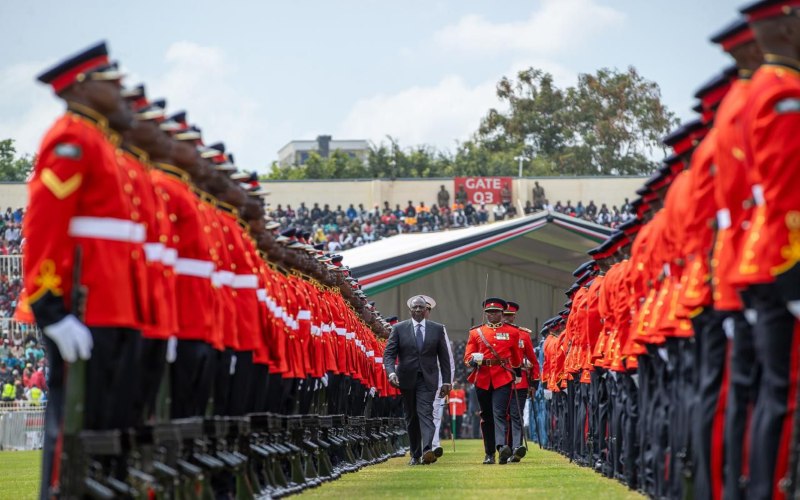
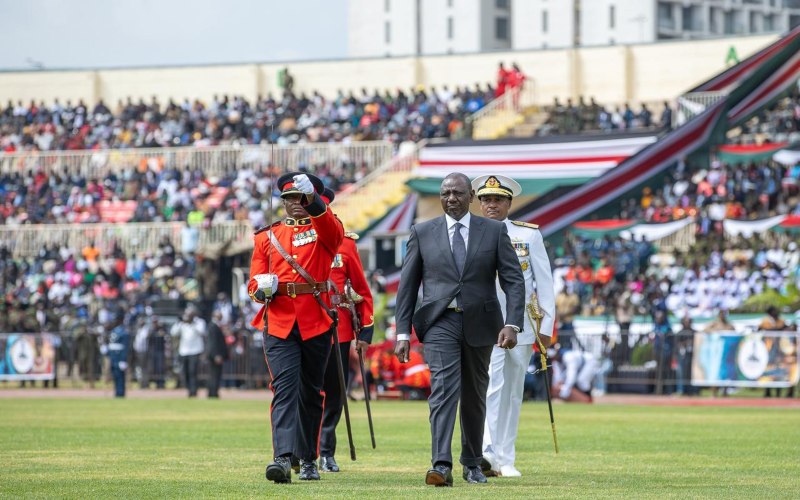
Both holidays are marked by patriotic events, including parades, speeches, and cultural performances.
They serve as opportunities for Kenyans to reflect on the nation’s struggles, achievements, and the ongoing role each citizen plays in sustaining unity and good governance.
The historical journey
Kenya’s path to independence was shaped by years of resistance, negotiation, and determination. Leaders such as Jomo Kenyatta, Tom Mboya, Oginga Odinga, and Dedan Kimathi were pivotal in mobilising citizens and steering the country toward sovereignty.
Madaraka Day, while less recognised internationally than Jamhuri Day, represented a major turning point when Kenyans first held power over internal affairs.
It allowed leaders to gain experience in governance and prepared the nation for full independence. Jamhuri Day marked the culmination of these efforts, celebrating political freedom, national identity, and Kenya’s place on the world stage.
Modern celebrations
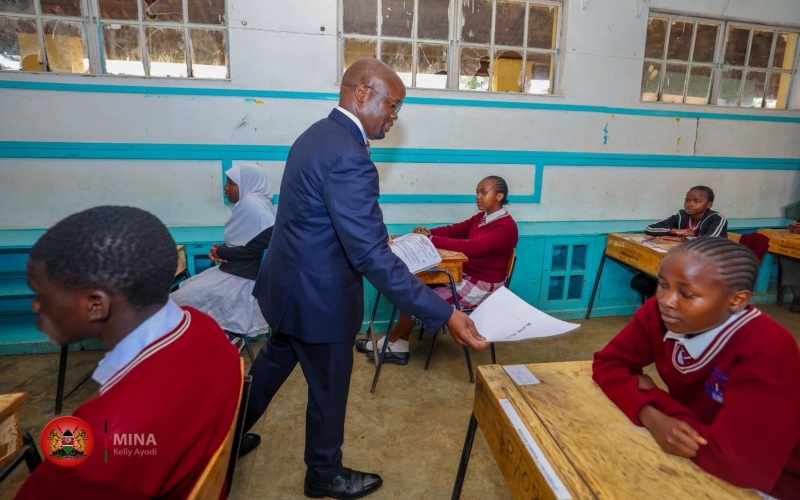
Today, Madaraka and Jamhuri Days are occasions for reflection and celebration across the country. Schools, communities, and government offices host programmes that teach history, showcase culture, and encourage patriotism.
The display of Kenyan flags across homes, streets, and public buildings serves as a vivid reminder of the nation’s journey and achievements.
Jamhuri Day has also become a platform for highlighting Kenya’s accomplishments in tourism, wildlife conservation, and business development.
While Madaraka Day recalls the effort it took to gain self-rule, Jamhuri Day emphasises the responsibilities of full independence.
Both holidays remind citizens that freedom is not only a historical achievement but a continuing commitment to national growth and unity.
Tourism
This year, the Jamhuri celebrations ran from December 8-11, 2025, under the theme “Tourism, Wildlife, Meetings, Incentives, Conferences and Exhibitions (MICE)”.
Government spokesperson Isaac Mwaura said the week aimed to showcase Kenya as a global hub for tourism and business events.
“The programme focused on positioning Kenya as a leading destination for international gatherings, improving event promotion, and strengthening investment in MICE infrastructure,” he said.
He noted that the sector supports aviation, hospitality, retail, and the broader economy. Kenya’s growing hotel network, improved connectivity, digital infrastructure, and venues such as KICC were highlighted as key to attracting business tourism and foreign investors.
The week included youth mentorship sessions, cultural and fashion shows, traditional dances, panel discussions, and the lighting of the KICC tower.
A holiday booking desk was launched to promote domestic tourism.
The celebrations concluded with the release of the "National Wildlife Census Report" and a town hall meeting, highlighting the role of cultural and wildlife tourism in building Kenya’s global image.
Top Stories Today