Jamhuri Day’s hidden workforce: How they keep Kenya's Independence Day running
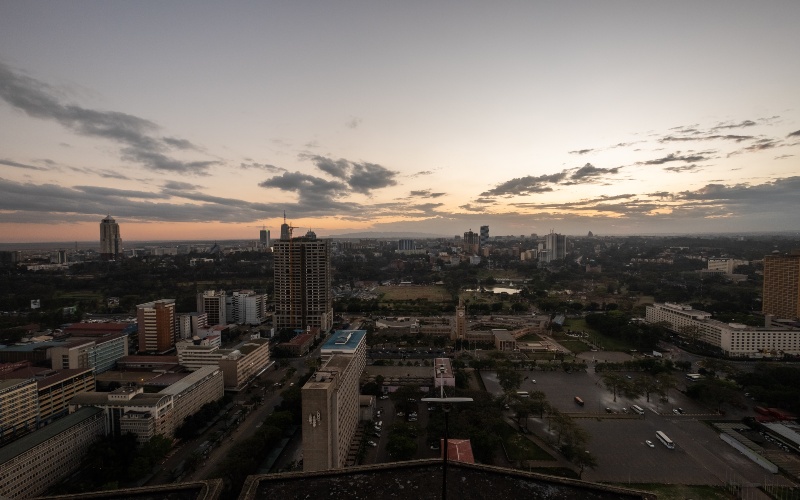
As Kenya marks 62 years of independence, informal workers in Nairobi—domestic staff, boda boda riders, cooks and cleaners—keep Jamhuri Day running, often undocumented, underpaid and without legal or social protection.
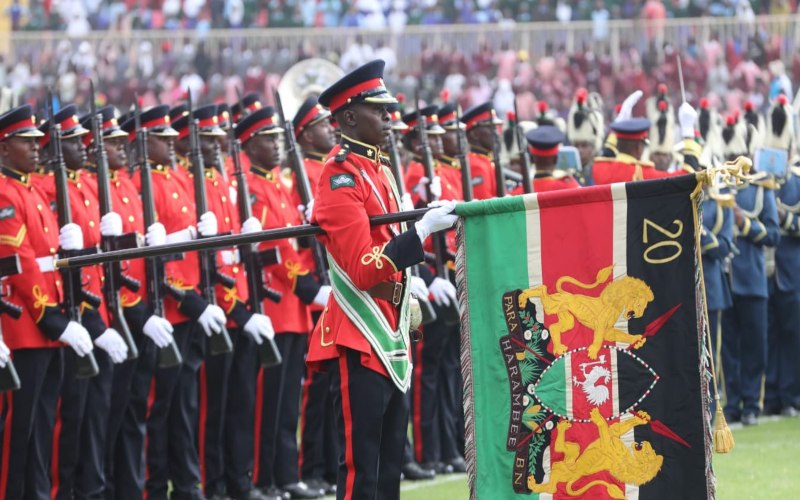
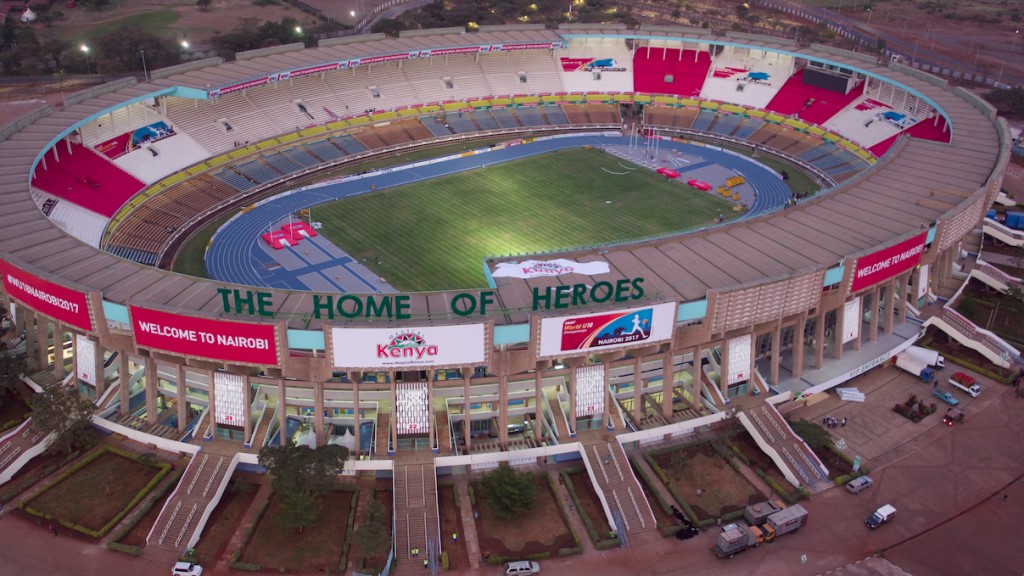
As Kenya marks 62 years of independence, thousands of Nairobi residents will spend the day with family or attending the celebrations at Nyayo National Stadium.
But away from the pomp and colour lies an army of undocumented workers whose labour quietly keeps Jamhuri Day running.
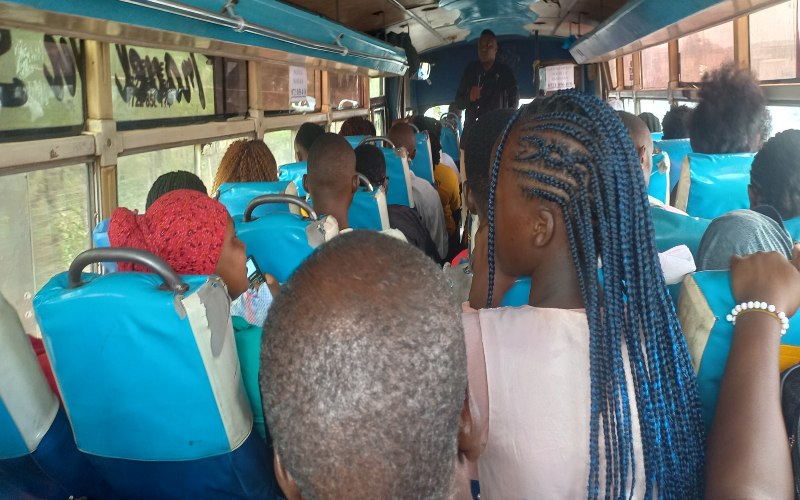
They are the cooks preparing food in neighbourhood eateries, the househelps ensuring homes sparkle, the boda boda riders delivering last-minute shopping, matatu operators ensuring passengers get to their desired destinations and the cleaners sweeping streets at dawn.
Their work rarely receives recognition, yet without them, Nairobi’s celebrations would look very different.
By 5:00 am, Grace, not her real name, a house help in Donholm, is already preparing breakfast for a family of six. “Jamhuri for me starts in the kitchen,” she told The Eastleigh Voice on Friday.
“Everyone expects a fresh house and good food, but no one thinks about the person behind the work. We ensure the house is clean, everyone is fed, and the dishes are clean. Without us, Jamhuri Day or any other day would feel hectic.”
Many domestic workers, such as Grace, especially those hired informally without contracts, have no days off. National holidays are actually their busiest workdays.
“I haven’t taken a holiday this year,” she admits. “If I tell them I want to rest, they say, ‘But we need you’. I will need to go on holiday on December 24, and I will be back on January 2 since the children will be going back to school.”
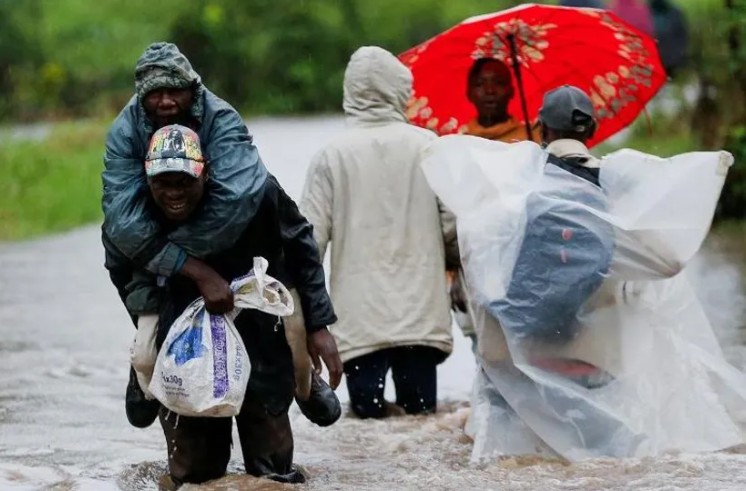
And as the city celebrates independence, thousands of boda boda riders are navigating chaotic streets to deliver food, drinks, charcoal, forgotten groceries, and Jamhuri Day outfits.
For David, a rider working in South B, holidays mean more income but also more stress.
“People call you every minute,” he says. “They want ice, charcoal, nyama, soda, everything is last-minute. If we stop, the whole day collapses for many families.”
But despite their vital role, boda riders often face harassment, lack of insurance, and unpredictable earnings, especially since most work without formal registration.
In Eastleigh, Kawangware, and Umoja, thousands of women run informal cooking businesses, making chapatis, pilau, samosas, and stews, which they supply to families hosting guests.
Hafsa, who runs a small restaurant in Kawangware, says Jamhuri is one of her busiest days in December since residents have not travelled on holiday.
“People want to celebrate, but they don’t want to cook. So they call us to prepare everything,” she says. “We feed hundreds, but it’s not stable work. We depend on holidays as families take their families outside to celebrate.”
Most cleaners, who often rise before crowds pack Uhuru Park or CBD streets, are hired informally through private contractors to sweep, scrub, and collect piles of trash left overnight.
Despite being crucial to Nairobi’s Jamhuri operations, many of these workers remain: undocumented, underpaid, unprotected by labour laws, and excluded from national narratives about development and independence.
One worker, who asked not to be named, told The Eastleigh Voice on Thursday that city cleaners, who often wake up at 3:00 am to tidy the capital, earn below minimum wage, are paid in cash, and have no job security.
Top Stories Today