Medical cannabis under scrutiny as new evidence highlights limited benefits and real risks
A major JAMA review of 2,500 studies finds only modest, narrowly defined benefits for medical cannabis and highlights real risks, including cannabis use disorder and cardiovascular concerns.
New evidence published in the JAMA journal challenges long-standing claims about the benefits of medical cannabis.
In examining pain management, researchers found little evidence that cannabis is effective for treating acute pain. Similar results were observed for insomnia, with sleep studies showing minimal support for cannabis in improving restful sleep.
More To Read
- Gen Z redefines freedom as Kenya marks 62 years of independence
- Long Covid’s lasting damage: Why many South Africans still struggle with fatigue, anxiety and memory loss
- Violence is a normal part of life for many young children: Study traces the mental health impacts
- When birth brings heartbreak: Mothers share their stories of children with deformities
- Explainer: As mental health challenges rise, here is what you need to know about antidepressants
- Mental health advocates call for community-based support as economic strain deepens
The researchers also reported that 29 per cent of medical marijuana users showed signs of cannabis use disorder.
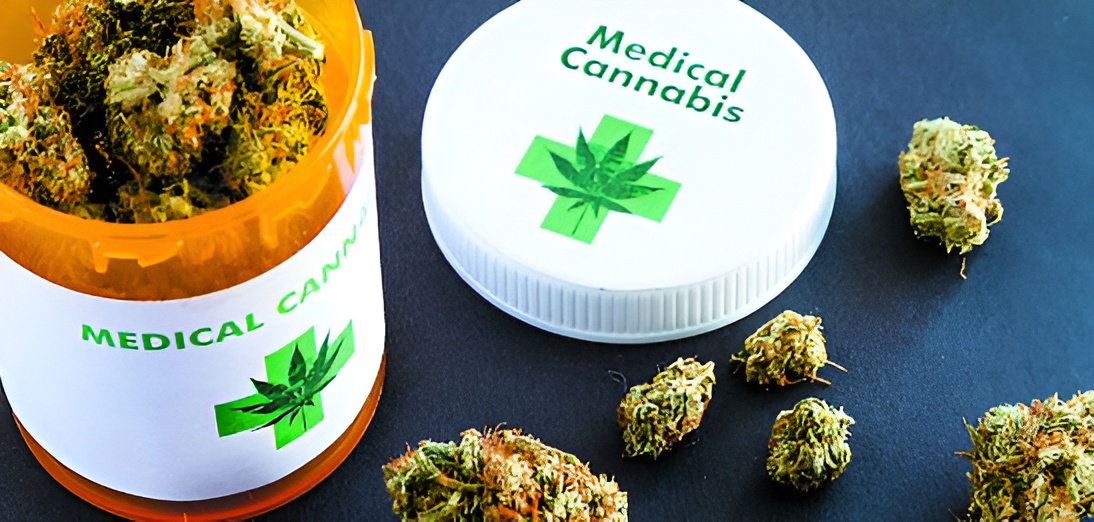
Medical cannabis refers to using marijuana, or parts of the marijuana plant, to help treat illnesses or relieve symptoms.
Forms, chemicals, and differences from recreational use
It may be used for conditions such as nausea, pain, or seizures. Medical cannabis comes in various forms, including dried plant material that is smoked or heated and inhaled, as well as oils, liquids, or pills that are swallowed.
The marijuana plant contains chemicals that affect the body. Some can cause a feeling of being high, while others do not. Different medical cannabis products contain varying amounts of these chemicals.
Medical cannabis differs from recreational marijuana because it is used for health reasons rather than pleasure. It does not work for everyone and can cause side effects, so it is usually recommended or monitored by a healthcare professional.
The study analysed more than 2,500 existing research papers, including randomised clinical trials, meta-analyses, observational studies, and clinical guidelines, making it one of the most comprehensive evaluations of medical cannabis to date.
Evidence for benefits remains limited
Rather than testing a single treatment, the authors synthesised decades of research to assess the overall strength of evidence for both the benefits and harms of cannabis and cannabinoid products.
The review focused on conditions for which medical marijuana is most frequently used, including chronic and acute pain, insomnia, anxiety, nausea, appetite loss, and neurological disorders.
The researchers found that convincing evidence of benefit exists only in a limited number of narrowly defined medical situations, and even then, the effects are modest. The strongest support was seen for pharmaceutical cannabinoid medications used to treat chemotherapy-induced nausea and vomiting, HIV- or AIDS-related appetite loss, and certain rare paediatric seizure disorders such as Dravet syndrome.
Importantly, these benefits were linked to regulated, standardised cannabinoid drugs tested in controlled clinical trials, not to smoked cannabis, edibles, or high-potency products commonly sold in dispensaries.
For conditions most patients seek medical marijuana for—particularly chronic pain, acute pain, insomnia, and anxiety—the evidence was far less convincing.
Risks and concerns
Many studies showed no meaningful improvement compared with placebo, produced conflicting results, or suffered from methodological weaknesses. As a result, the authors concluded that current scientific data do not reliably support cannabis as an effective treatment for these widespread conditions, despite its growing popularity and perception as a therapeutic option.
The review also placed strong emphasis on potential harms. One of the most concerning findings was the prevalence of cannabis use disorder among medical users.
The authors reported that nearly 29 per cent of people using cannabis for medical reasons met criteria for problematic or dependent use, challenging the assumption that medical use is largely risk-free.
Evidence also linked high-potency cannabis to increased rates of psychotic symptoms and anxiety, particularly among frequent users and individuals with underlying mental health vulnerabilities.
Cardiovascular risks were another area of concern. The analysis cited growing evidence that daily cannabis use, especially when inhaled and high in THC, is associated with higher risks of heart attack, stroke, and other cardiovascular events.
Public perception vs scientific evidence
While the authors noted that not all studies can prove direct causation, the consistency of these associations prompted calls for greater caution, particularly among patients with existing heart disease or cardiovascular risk factors.
Taken together, the findings highlight a significant gap between public perception and scientific evidence. While many patients believe cannabis is an effective and relatively safe treatment for a wide range of symptoms, the review found little high-quality evidence to support such broad medical use.
The authors emphasised that a lack of strong evidence does not necessarily prove cannabis never helps any individual patient, but it does mean that widespread medical endorsement is not justified based on current data.
The researchers also acknowledged major limitations in the existing body of research. Many studies were small, short-term, or observational, with wide variation in cannabis formulations, dosages, and methods of administration.
Recommendations and caution
Researchers advise approaching medical cannabis with caution. The authors recommend careful assessment of potential benefits and risks, screening for mental health and cardiovascular conditions, and discussing harm-reduction strategies such as avoiding daily use and high-potency products.
The review concludes that medical cannabis may have a role in a small number of well-defined conditions, but for most patients, scientific evidence remains limited, and the risks should not be overlooked.
Cannabis use in Kenya and worldwide
In Kenya, the 2022 national survey on drugs and substance use estimated that about 518,807 people aged 15 to 65 are currently using cannabis, around 1.9 per cent of that age group. This means roughly one in every 53 Kenyans in that age range currently uses cannabis. Among males aged 15 to 65, the rate is much higher at one in every 26, while for females it is one in every 333. Nairobi has the highest reported rate of cannabis use at around 6.3 per cent in the same age group.
The report also shows usage among youths: roughly 193,430 people aged 15 to 24 (about 2.7 per cent) are current cannabis users.
Over the past five years, cannabis use in Kenya has increased by about 90 per cent. The survey also found that nearly 234,855 people in the 15–65 age group show signs of cannabis addiction.
Worldwide, cannabis is the most commonly used illicit drug. According to data from the World Health Organisation, an estimated 224 million people aged 15 to 64 used cannabis in the past year, about 4 to 5 per cent of adults globally.
Top Stories Today