NEMA approves Nairobi Central Station redevelopment with strict safeguards
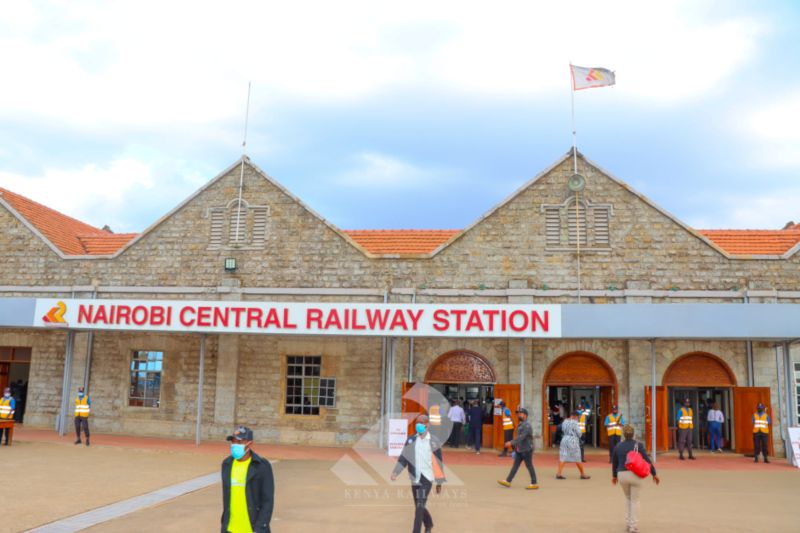
The upgrade is expected to enhance passenger movement, expand railway capacity, and improve connectivity across Nairobi.
The redevelopment of Nairobi Central Station has taken a critical step after the National Environment Management Authority (NEMA) confirmed it has evaluated and accepted the Environmental Impact Assessment Study Report for the project.
The clearance sets the stage for Kenya Railways Corporation to turn the historic station into a modern transport hub in the heart of the city.
More To Read
- Kenya Railways banks on property sales to settle Sh2.26 billion pension debt
- Auditor General warns Kenya Railways’ Sh569 billion loan default could burden taxpayers
- Kisumu rail services to resume by December after 2024 flood damage
- Nairobi-Embakasi train service emerges as top-earning rail route
- NEMA targets Sh2 billion revenue through new digital licensing system
- NEMA issues 14-day ultimatum to businesses over pending licence applications
The upgrade is expected to enhance passenger movement, expand railway capacity, and improve connectivity across Nairobi.
Plans include two-story station buildings, upgraded platforms and canopies, new entrances and exits, footbridges, and a variety of public facilities within the station precinct.
According to a notice published in the MyGov weekly gazette on Tuesday, December 16, 2025, NEMA’s approval is conditional, requiring strict adherence to environmental and social safeguards during construction and operation.
“Pursuant to Section 59 of the Environmental Management and Coordination Act, CAP 387, NEMA has received an Environmental Impact Assessment Study Report for the proposed construction of the new Central Station and public realm,” the agency said.
While the redevelopment promises to reshape Nairobi’s cityscape, NEMA cautioned that careful monitoring is essential to protect nearby residents, heritage sites, and the environment.
On the issue of noise and vibrations, contractors are required to monitor sound levels consistently, maintain equipment properly, limit vehicle idling, and perform baseline inspections of surrounding buildings to prevent damage.
“The proponent, Kenya Railways Corporation, proposes to regenerate and redevelop the Nairobi Central Station site into a new iconic city centre development that will improve accessibility and capacity of the railway for all passengers,” NEMA highlighted.
Environmental safeguards are central to the project’s approval. Contractors must minimise tree and vegetation removal, restore natural habitats through landscaping, and establish a long-term biodiversity plan to offset any environmental loss.
Strict rules also govern waste management. Waste must be reduced at source, segregated for reuse or recycling, and handled only by licensed collectors.
Hazardous materials need secure storage, proper labelling, and spill response systems to protect soil and water.
“The main objective is to provide clear mitigation measures to promote equity and sustainability while ensuring responsible construction practices,” NEMA stated.
Additional measures include dust control through watering, covering loose materials during transport, enforcing speed limits for construction vehicles, and monitoring emissions.
Water management plans will incorporate rainwater harvesting, recycling wastewater for irrigation, and effective stormwater and flood controls.
The approval addresses social impacts as well. Kenya Railways is required to implement livelihood restoration plans for affected businesses, prioritise hiring locally, and provide systems to resolve community grievances.
Traffic marshals will be deployed around the construction site to reduce congestion and improve safety.
NEMA also emphasised the protection of cultural heritage, mandating that modifications to historic structures receive approval from the National Museums of Kenya and that any archaeological discoveries be reported immediately.
With these measures in place, the Nairobi Central Station redevelopment is set to move forward as one of the most closely monitored infrastructure projects in the capital, balancing modernisation with environmental stewardship and community welfare.
Top Stories Today