Huduma Kenya admits national ID system downtime as frustrated youths protest delays, citing job losses
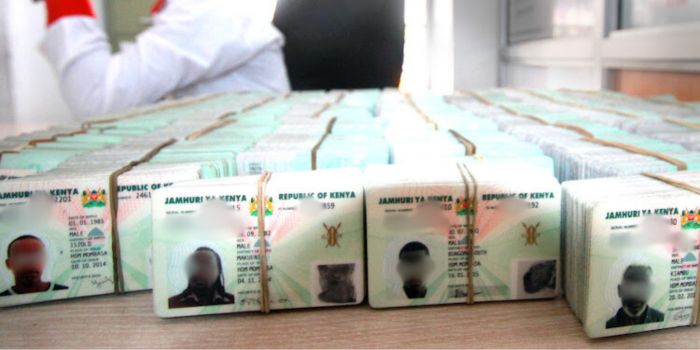
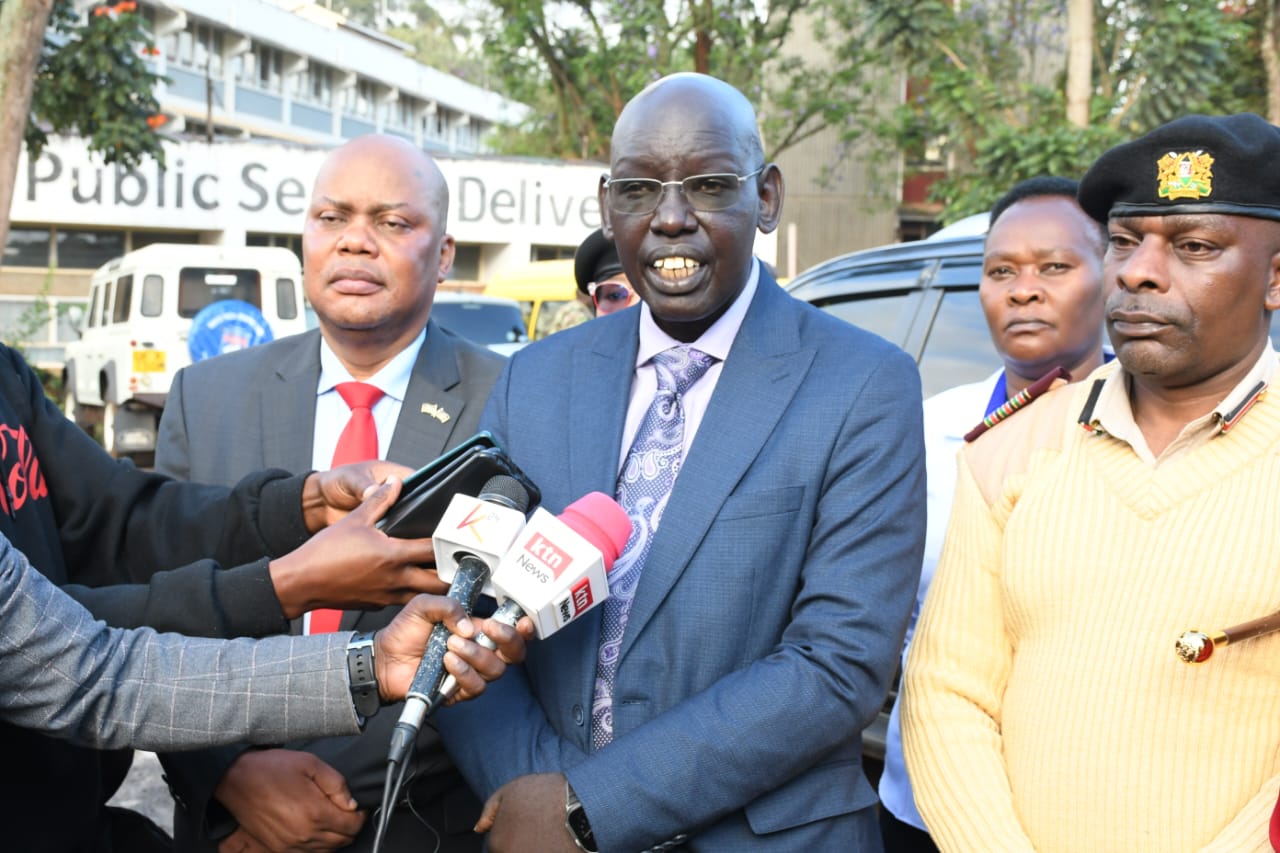
On Tuesday, the affected youth gathered outside the NSSF headquarters to submit complaints, citing fears of losing jobs and missing opportunities due to pending ID replacements.
Huduma Kenya has acknowledged intermittent downtime in its national ID issuance system, after a section of Nairobi youth raised concerns over delays that have disrupted their daily routines and access to essential services.
On Tuesday, the affected youth gathered outside the NSSF headquarters to submit complaints, citing fears of losing jobs and missing opportunities due to pending ID replacements.
More To Read
- 26 arrested in crackdown on criminal network illegally issuing government documents
- Government tightens ID registration checks after scrapping vetting process
- Huduma Kenya urges citizens to collect thousands of unclaimed documents
- Africa lags in ID cards coverage as experts urge inclusive access
- PS Belio Kipsang urges use of e-Citizen, warns against cash payments
- President Ruto warns against bribery as ID replacement fees scrapped
The youths said the lack of IDs has caused significant inconvenience, including missed work and limited access to government offices, voter registration and other essential services. Some expressed fear of losing employment after repeatedly requesting time off to follow up on applications.
Huduma Kenya acknowledged the concerns in a statement saying, “Our Issuance of National IDs system is experiencing intermittent downtime. We apologise for the inconvenience and assure you that our technical team is working to resolve the issue.”
Director of the National Registration Bureau, Aggrey Masai, reassured the public that immediate action is underway to restore the system. He also dismissed claims that ID replacement fees might be reintroduced next year, noting that the removal of charges had led to a surge in new applications, particularly in rural areas.
President William Ruto previously waived processing charges for first-time applicants and those seeking replacements, a move critics claimed was politically motivated ahead of the 2027 General Election.
Meanwhile, in a bid to improve access, the government has announced plans to acquire up to 300 live capture machines in 2026 to support mobile registration of national ID cards across the country.
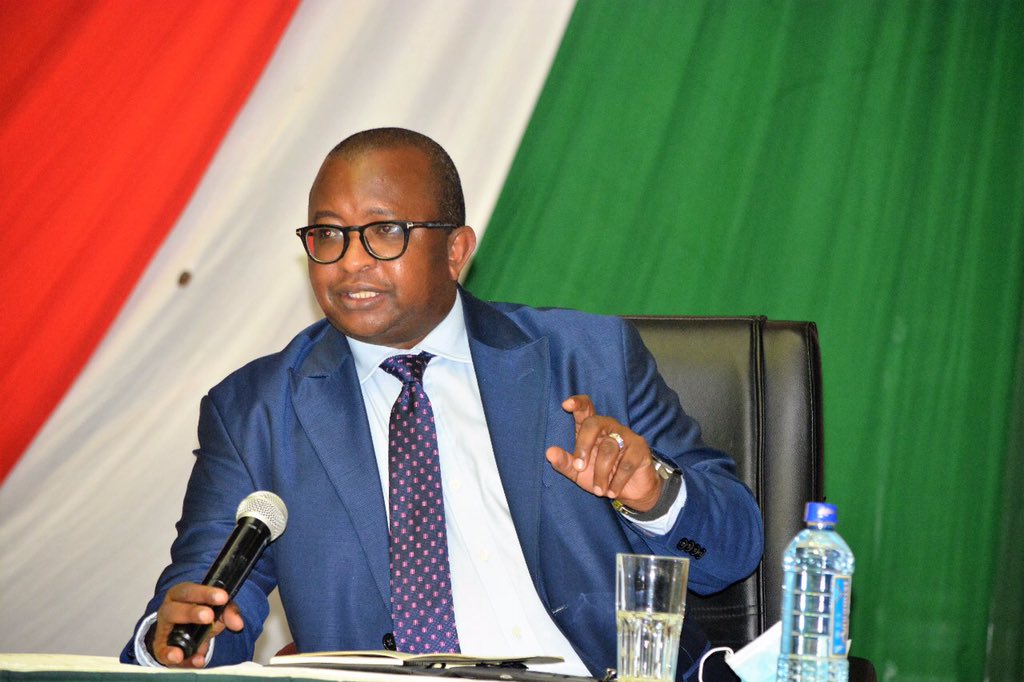
Immigration and Citizen Services Principal Secretary Belio Kipsang said the additional machines will strengthen outreach registration, especially in remote and underserved areas, by enabling faster capture of biometric data required for ID issuance.
Kipsang, who announced the move during the State Department’s Annual Review Meeting on Tuesday, commended the department for progress in digitising and upgrading systems, noting that improved infrastructure has enhanced service delivery.
The Usajili Mashinani campaign, launched in October 2025, initially targeted 15 counties with historically low ID registration rates, including Turkana, Baringo and Elgeyo Marakwet. The government plans to deploy the additional machines to all 1,450 wards by 2026, allowing citizens to have their data captured and verified within minutes, with ID cards ready for collection within seven days.
The initiative aims to register at least one million new ID holders next year, facilitating access to services such as the Social Health Authority and voter registration ahead of the 2027 general election.
The NRB has also cleared application backlogs and increased printing capacity to 32,000 cards per day, targeting a seven to ten-day processing window.
Kipsang urged department heads to sustain the momentum, improve efficiency and prioritise timely ID issuance as part of efforts to bring services closer to citizens.
Top Stories Today