Global freedom of expression drops 10 per cent in historic decline, UNESCO warns
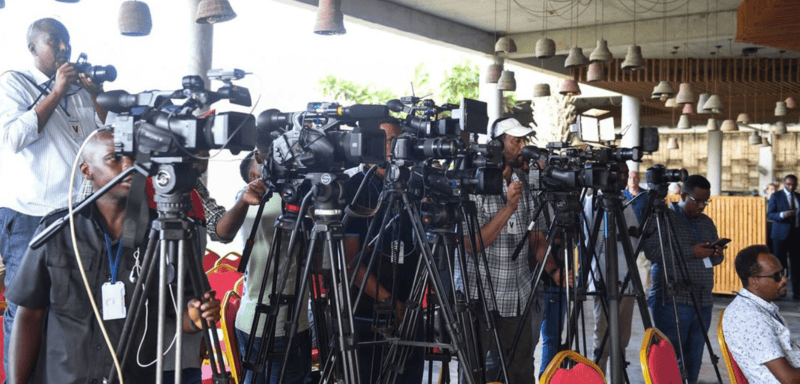
The report reveals a 10 per cent drop in global freedom of expression since 2012, the steepest decline in decades, driven in large part by rising self-censorship and increasing attacks against media workers.
Freedom of expression and the safety of journalists worldwide have suffered a historic decline over the past decade, the United Nations Educational, Scientific and Cultural Organisation (UNESCO) has warned in its latest World Trends in Freedom of Expression and Media Development Report (2022-2025).
The report reveals a 10 per cent drop in global freedom of expression since 2012, the steepest decline in decades, driven in large part by rising self-censorship and increasing attacks against media workers.
More To Read
- UNESCO adds Sudanese wedding ritual to intangible cultural heritage list
- Kenya’s constitutional gains at risk without ethical leadership and integrity - CJ Koome
- UNESCO adds Diwali to global cultural heritage list
- HRW urges Tanzania to release detained opposition ahead of independence day
- Report: Civic space in Kenya shrinking, citizens face restrictions on expression and assembly
- Fears grow over South Sudan commentator arrested in UAE for criticising President Kiir
The report highlights a significant rise in self-censorship among journalists, which increased by 63 per cent over the same period, at a rate of about 5 per cent per year. Self-censorship occurs when reporters refrain from reporting certain issues or modify their reporting due to fear of repercussions, threats, or attacks.
Attacks on journalists are also escalating. During the 2022–2025 period, 186 journalists were killed while covering wars and conflict zones, representing a 67 per cent increase compared with the previous reporting period. In 2025 alone, 93 journalists were killed, including 60 in conflict zones.
UNESCO notes that while impunity has slightly decreased from 95 per cent in 2012 to 85 per cent in 2024, most perpetrators remain unpunished.
Journalists now face a growing range of threats, including physical attacks, online harassment, legal intimidation, and forced exile.
Since 2018, over 900 journalists in Latin America and the Caribbean have fled their countries due to such threats. Environmental reporters are increasingly at risk, with 749 attacks recorded against journalists covering environmental issues between 2009 and 2023. Online harassment, particularly targeting women journalists, has surged, with 75 per cent of women media workers reporting online violence in 2025, up from 73 per cent in 2020.
However, UNESCO notes some positive trends. Between 2020 and 2025, 1.5 billion people gained access to social media and messaging platforms, broadening civic engagement. Collaborative investigative journalism has increased, cross-border fact-checking has grown, and more countries are enacting laws to recognise and protect community media.
The report urges member states to take urgent action to safeguard journalism and promote freedom of expression. Key recommendations include protecting and investing in independent journalism, ensuring transparency in the digital sphere, and promoting media and information literacy to empower citizens to critically engage with information.
Member states are urged to protect and invest in journalism in order to promote peaceful societies. Defending free, independent journalism must be recognised as a priority.
“Freedom of expression and information is not an option; it is the very condition for lasting peace. Faced with a historic regression, we must act together to protect and defend everyone’s right to think, write, and inform. UNESCO will continue leading global efforts to strengthen pluralism and ensure that diversity is not only protected but actively fostered,” said UNESCO Director-General Khaled El-Enany.
UNESCO has already trained over 10,500 content creators from more than 150 countries to build trust and strengthen ethical reporting.
Top Stories Today