AU leaders push reforms to make the African peace and security architecture more effective
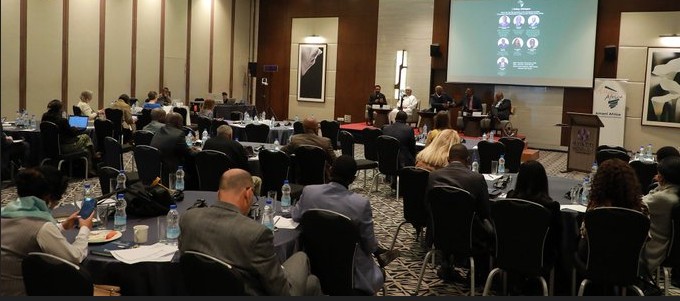
AU officials in Addis Ababa are pushing evidence-based reforms to the African Peace and Security Architecture as conflicts rise across the continent, questioning its effectiveness and calling for stronger diplomacy and rapid response.
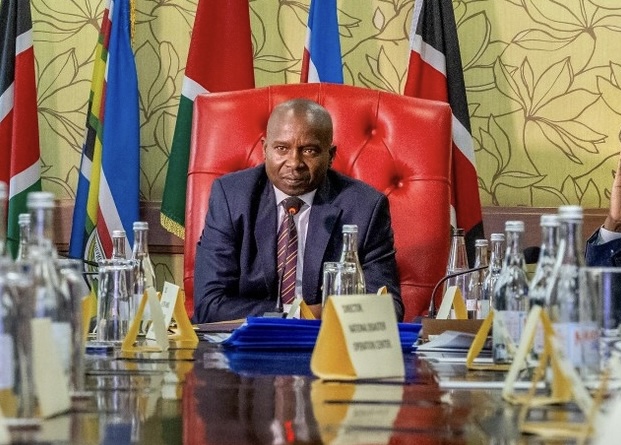
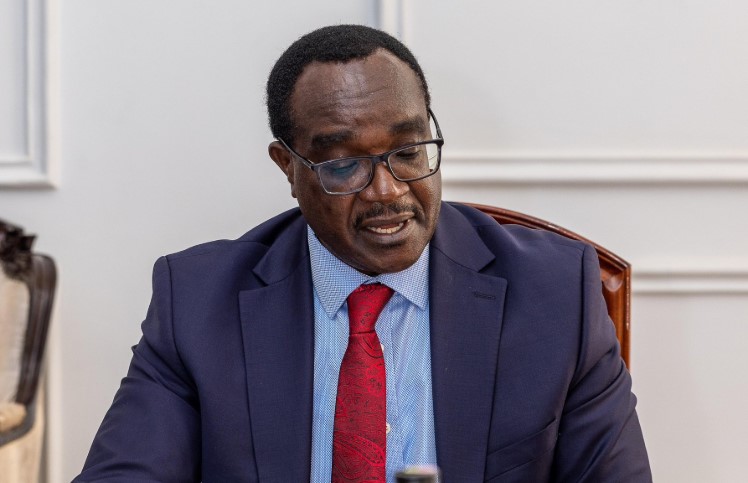
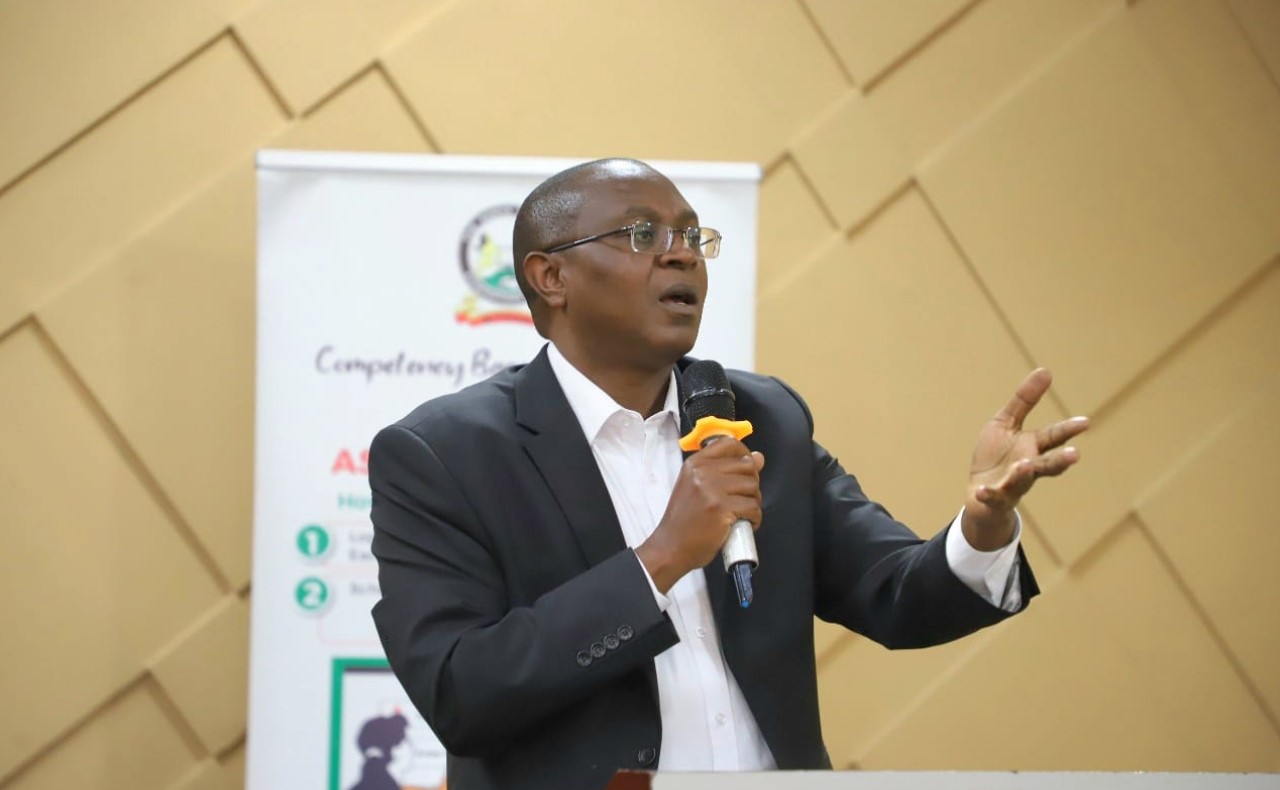
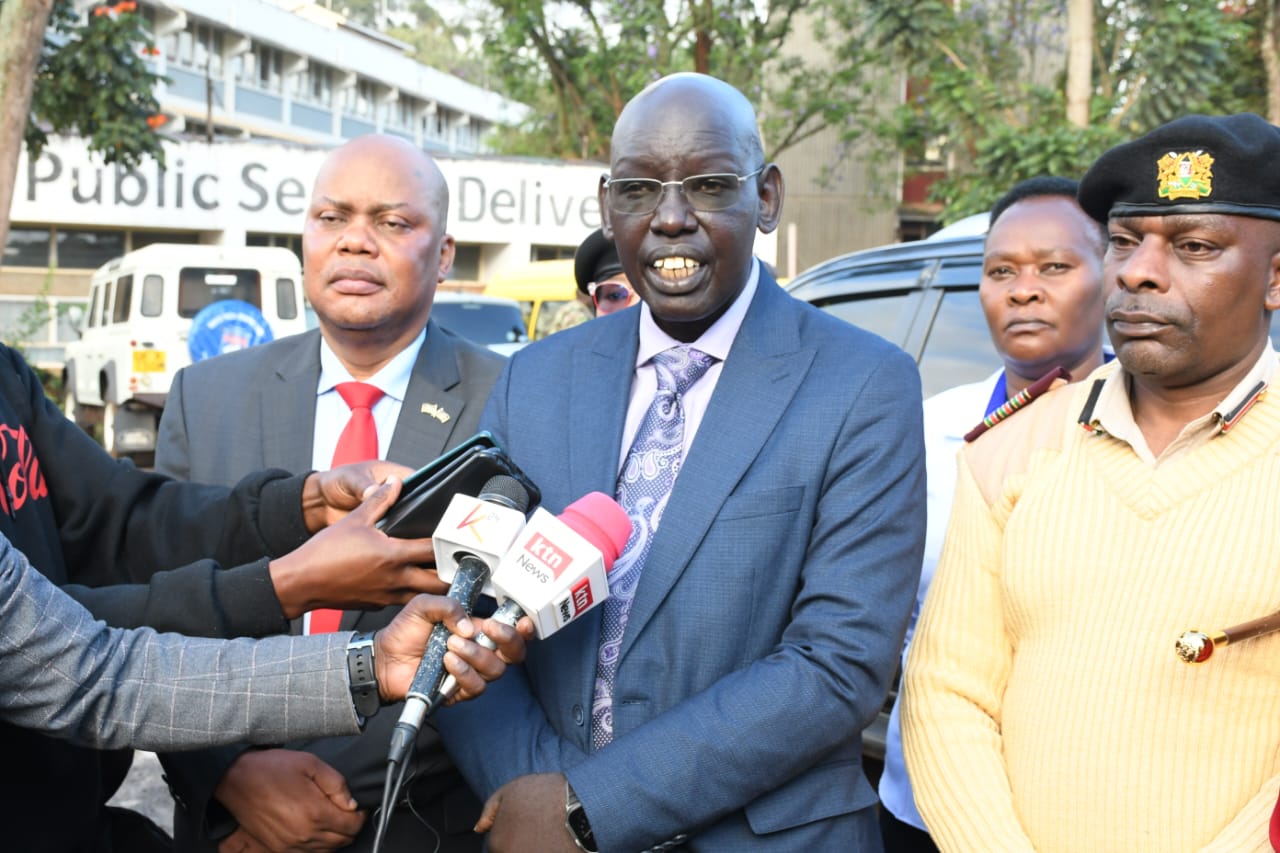
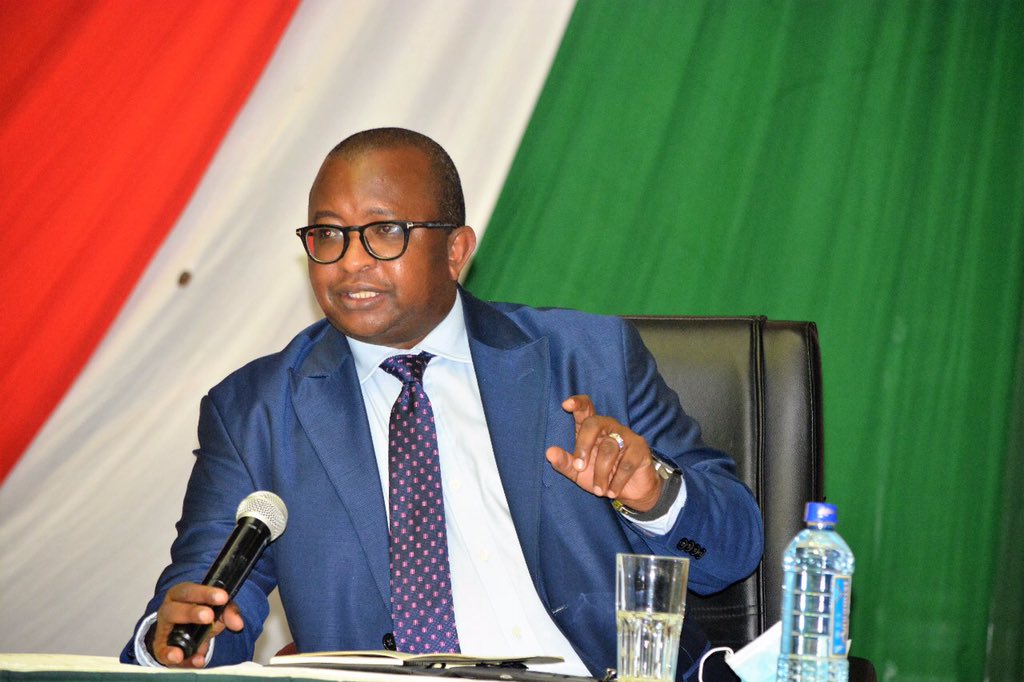
The effectiveness of the African Peace and Security Architecture (APSA) depends heavily on the ability of member states to engage in diplomacy, Foreign Affairs PS Korir Sing'Oei said during a High-Level Policy Dialogue on the APSA review in Addis Ababa, Ethiopia.
The review aims to drive reforms to strengthen APSA and mobilise broader support from both AU member states and external partners, following rising conflicts across the continent that have raised doubts about APSA’s ability to sustain peace.
More To Read
- Africa’s coup crisis: Why eight countries are under military rule and what’s next
- ECOWAS endorses John Mahama as West Africa’s candidate for AU chair in 2027
- AU warns of rising violence in DR Congo and Great Lakes region amid M23 advance
- The growing threat of unconstitutional power in Africa: AU’s mixed response under fire
- African Union condemns failed Benin coup, demands immediate return to constitutional order
- African leaders hail historic peace agreement between Rwanda and DRC
"APSA's strength lies in diplomacy rather than hard power deterrence. Diplomacy thrives when all parties feel valued. It is therefore essential to focus on the strengths and contributions of each Member State rather than on their shortcomings. By doing so, a sense of collective achievement is fostered, where all member states feel like winners in the shared pursuit of continental goals. I believe that this would be a better way to generate some political goodwill, vital in giving the breath of life to APSA," he said.
Surge in African conflicts
Sing'Oei noted that over the past decade, conflicts across Africa have surged, with the number of armed conflicts rising by almost 45 per cent since 2020.
"A grim illustration of this scenario is that out of the nine conflict situations currently under consideration by the UN Security Council, five — more than half — are on the African continent," he said.
He added that many of these conflicts are compounded by underlying challenges such as poverty, fragile states, climate change, youth unemployment, governance gaps, and social grievances, creating severe and prolonged humanitarian crises, including hunger and famine.
"Our women, children and the elderly are suffering the most from these situations. Re-energising conflict prevention and resolution, as well as reviewing the APSA, is therefore a necessity in light of the foregoing," he said.
Sing'Oei called for the proposed reforms to be grounded in evidence-based analysis of the setbacks facing the AU’s peace and security role.
Most comprehensive peace framework
"APSA still remains one of the most comprehensive regional peace and security frameworks globally. And despite some of its weaknesses, it represents the ambitions and determination of AU Member States to achieve the goal of a conflict-free Africa and to ensure that we do not bequeath the burden of conflicts to the next generation of Africa's sons and daughters," he explained.
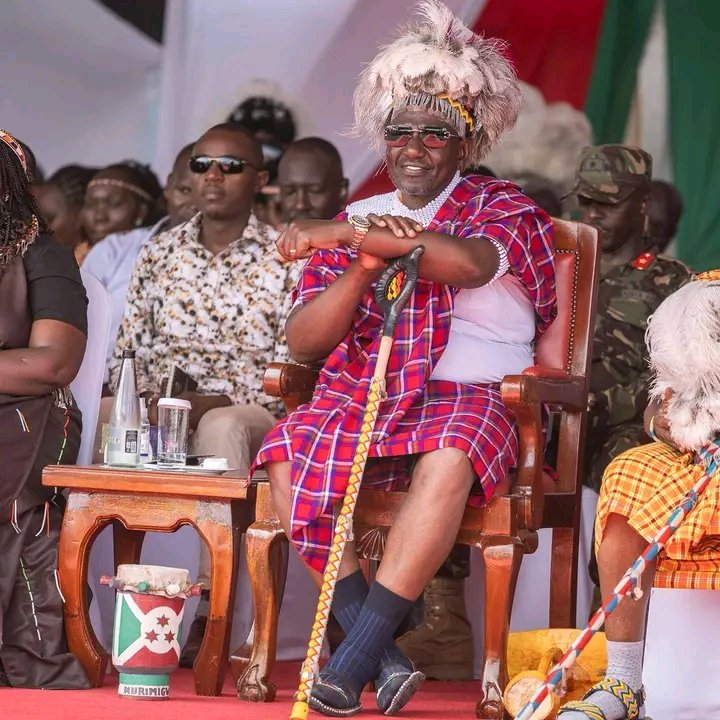
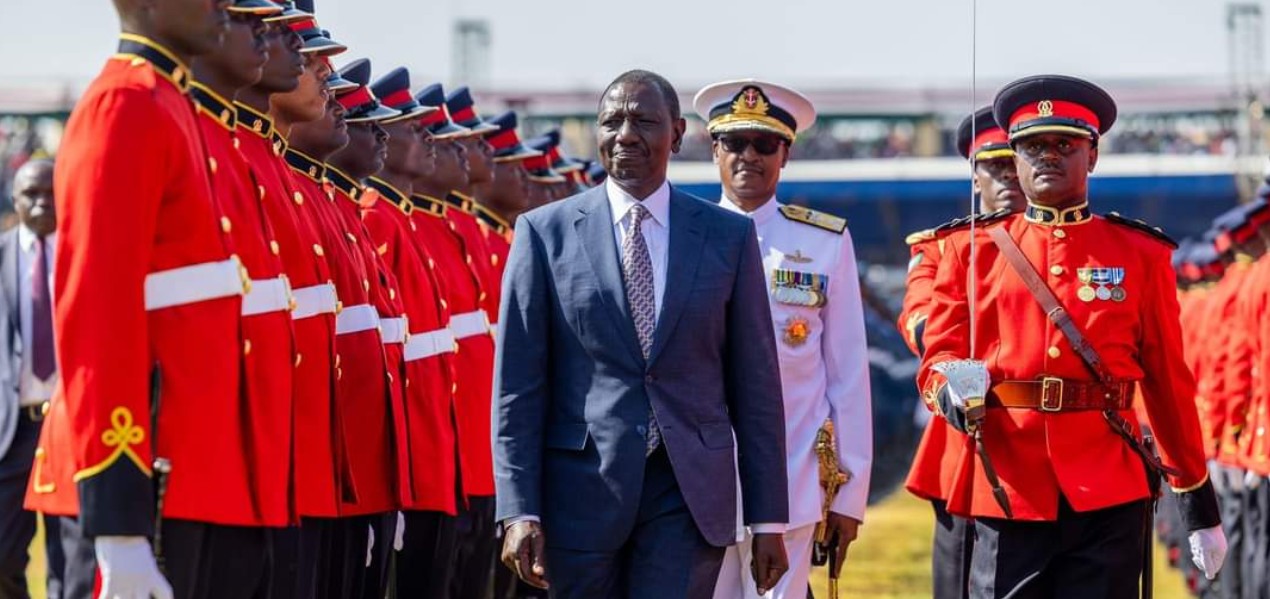
During the 38th Ordinary Session of the AU Assembly in February 2025, President William Ruto, serving as AU Champion for Institutional Reform, presented eight priority measures to accelerate AU reforms, including a recommendation to review APSA, noting that "the dire peace and security situation in Africa partly indicts the continent's peace architecture."
He also proposed expediting the strategic review of the African Standby Force, establishing a Rapid Response Component, and creating a Counter-Terrorism Brigade to enable a faster and more decisive continental response to emerging security threats and terrorism.
Increase funding
President Ruto further suggested increasing the fund from $400 million (Sh51.5 billion) to $1 billion (Sh128.8 billion), diversifying contributions, engaging African financial institutions and private sector partners, and renewing efforts to implement UN Security Council Resolution 2719 on financing AU-led peace operations.
"AU is still work in progress. Our Union, like any continental or supranational political and economic entity, is continuously evolving. Our messaging should, for the most part, emphasise the progress being made rather than focusing merely on the challenges," Sing'oei told the meeting.
Ambassador Mahamat Salah Annadif, a member of the AU Panel of Eminent Persons on the Review of APSA and former Minister of Foreign Affairs of Chad, said that for APSA to be more effective, member states must improve participation in AU meetings, respond to early warning signals, and engage in preventive diplomacy.
"When the African peace, security, and governance agenda was conceived, it was based on a strong political commitment by member states to shared values and norms, as well as their readiness to cooperate in its implementation. This commitment was clearly demonstrated in the early years of the African Union. Unfortunately, we have seen that it has gradually faded and could not be sustained," he said.
AU summits
He criticised how AU summits are organised, noting that their agendas often leave little room for frank and strategic discussions among leaders on both achievements and shortcomings.
"In my view, AU Summits should focus on a limited number of important and strategic issues, with other matters handled at the ministerial level. We should also revive the practice introduced during the tenure of Salim Ahmed Salim of reducing lengthy opening ceremonies in order to create more time for substantive, closed-door, eye-to-eye discussions among Heads of State in smaller caucus rooms, rather than in large plenary halls where leaders are often solicited for bilateral meetings," he explained.
The diplomat highlighted that inconsistent responses to coups and failure to address serious governance issues — notably constitutional manipulation to retain power and democratic backsliding — have severely damaged the credibility of the AU and regional economic communities.
"In this context, prospective coup makers increasingly act without fear, at a time when democratic commitments are weakening and authoritarian tendencies are growing across the continent. This review offers us an opportunity not just to adjust structures, but to restore political commitment, clarify roles, and reaffirm African leadership in peace, security, and governance," he said.
Top Stories Today