The Ministry of Health has emphasised that preparedness measures being implemented in health facilities across the country are purely precautionary and should not be interpreted as evidence of an outbreak. The measures are intended to ensure a swift and effective response should a suspected or confirmed case arise, while safeguarding public health and national security.
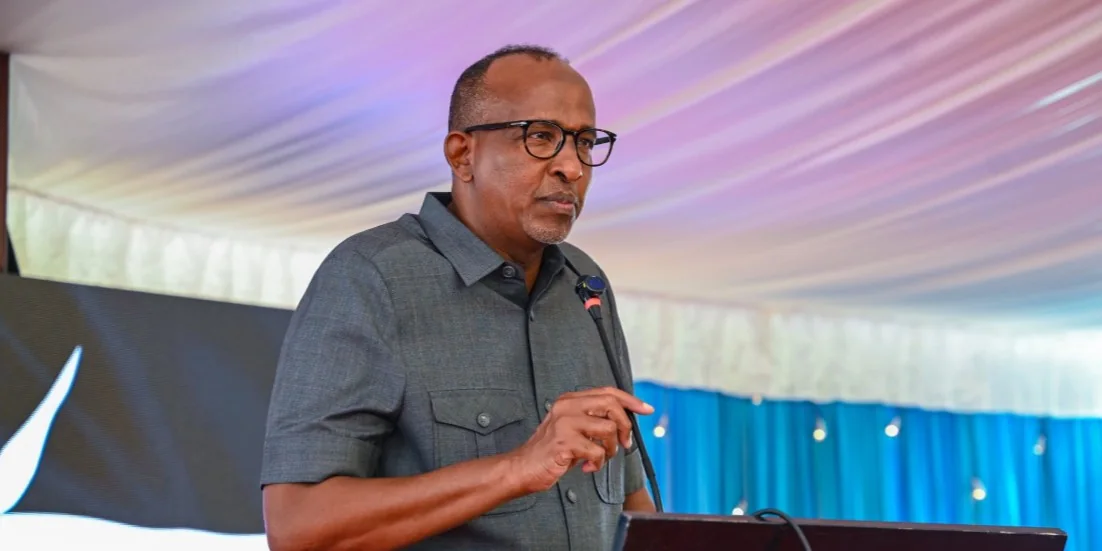
Speaking during a media breakfast meeting, Health Cabinet Secretary (CS) Aden Duale said Kenya continues to closely monitor developments following the Ebola Virus Disease outbreak reported in the region. Although the country has not recorded any confirmed case of Ebola, he noted that vigilance remains necessary due to extensive regional connectivity and the movement of people and goods across borders.
The Ministry has undertaken a series of proactive interventions to strengthen national preparedness, including enhanced surveillance and contact tracing, screening at points of entry, laboratory readiness, training of healthcare workers, risk communication, and the establishment of isolation and treatment capacities where necessary.
Addressing public concerns regarding the establishment of isolation facilities, particularly in Laikipia County, Duale clarified that such facilities are a standard component of outbreak preparedness and do not indicate the presence of a confirmed case.
“Preparedness should never be mistaken for panic. The work government undertakes before a crisis occurs is often invisible, yet it is one of the most important responsibilities we have in protecting lives and safeguarding national security,” said Duale.
He reaffirmed the Ministry’s commitment to transparency, stating that regular updates would continue to be provided through official communication channels to keep the public informed of any developments.
The CS further called on healthcare workers across the country to remain vigilant, emphasising the importance of maintaining a high index of suspicion, adhering to infection prevention and control measures, and promptly reporting suspected cases.
Duale also underscored the critical role of county governments in strengthening preparedness efforts, noting that outbreaks begin and end at the community level. He encouraged counties to continue investing in surveillance systems, rapid response teams, healthcare worker training, isolation facilities, and public awareness campaigns.
“Preparedness is a shared responsibility. The government cannot do it alone. Communities, healthcare workers, county governments, the media, development partners, and the private sector all have a role in ensuring that Kenya remains ready to prevent, detect, and respond to public health threats,” he said.
He stressed that effective preparedness requires a whole-of-government and whole-of-society approach, with all stakeholders working together to ensure the country remains ready to prevent, detect, and respond to emerging public health threats.







































Comments
Sign in with Google to comment, reply, and like comments.
Continue with Google