At least six in 10 liver cancer cases could be prevented through lifestyle changes, experts say, yet the disease continues to claim thousands of lives each year.
Health specialists warn that reducing alcohol consumption, quitting smoking, eating a healthy diet, and staying physically active can significantly lower the risk of liver disease and liver cancer.
Despite being largely preventable, rising cases have made liver cancer the third leading cause of cancer deaths worldwide.
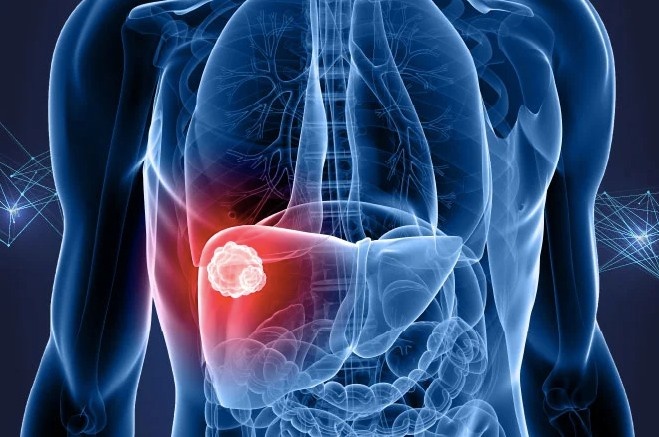
Liver cancer occurs when cells grow abnormally and form a tumour. It often develops in people with long-term liver disease, with hepatocellular carcinoma being the most common type.
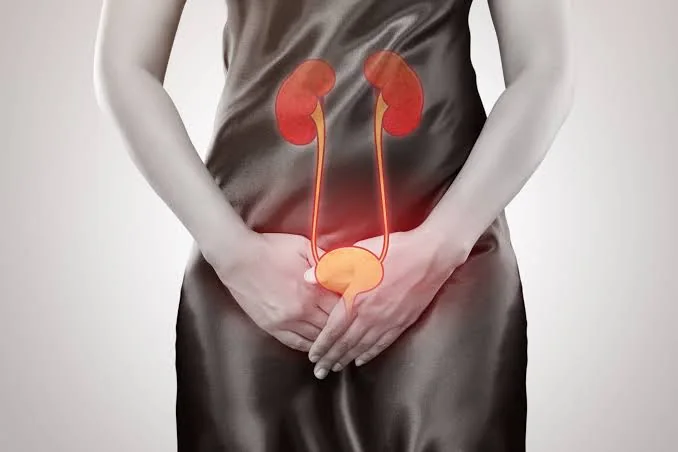
In its early stages, the disease may not show clear signs. As it progresses, symptoms can include unexplained weight loss, loss of appetite, fatigue, pain in the upper right abdomen, swelling of the stomach, jaundice, nausea, and changes in urine or stool colour.
Because symptoms often appear late, many cases are diagnosed at an advanced stage, making early medical check-ups vital, especially for people with risk factors such as hepatitis, obesity, or heavy alcohol use.
Liver cancer is among the fastest-rising causes of cancer-related deaths in the United Kingdom (UK) and ranks as the third leading cause of cancer deaths globally, according to a report published by ScienceAlert.
Most liver cancers develop in people with long-term liver disease. Estimates suggest that around one in three adults worldwide is living with some form of liver disease, although many are unaware because early stages often have no symptoms. In some cases, the condition can progress to severe liver damage, significantly increasing the risk of cancer.
Key drivers include obesity, type 2 diabetes, excessive alcohol consumption, and viral hepatitis. Health experts warn that rising rates of these conditions could continue to push liver cancer cases upward without urgent intervention.
Experts emphasise the preventable nature of many cases, noting that “at least 60 per cent of primary liver cancers may be preventable by modifying risk factors.” They also caution that “alcohol is considered a carcinogen, meaning it is capable of causing cancer even at light drinking levels.”
Recommended preventive measures include reducing alcohol intake, quitting smoking, maintaining a healthy diet, limiting ultra-processed foods, and staying physically active. These changes not only protect the liver but also reduce the risk of other major diseases, including heart disease and several cancers.
Stigma remains a significant barrier to early diagnosis and treatment. Many people mistakenly believe liver disease is self-inflicted, which can discourage individuals from seeking medical help. Experts stress that conditions such as alcohol dependence, obesity, and viral hepatitis are health issues that require care and support rather than blame.
Another major challenge is late diagnosis, as many people are unaware they have liver disease until it is advanced. Symptoms of liver cancer may include unexplained weight loss, persistent fatigue, loss of appetite, abdominal pain or swelling, and yellowing of the skin and eyes, making early medical attention critical.
Health authorities are calling for stronger policy action, including tighter restrictions on alcohol advertising, improved food regulation, warning labels, and increased access to addiction services and liver health screening. Expanded hepatitis testing and vaccination programs are also seen as essential to reducing future cases.
Experts warn that progress has been slow and that prevention efforts must go beyond individual responsibility. As one researcher noted, “progress in tackling the preventable causes of liver cancer has been slow,” highlighting the need for broader systemic action. Another added, “we have the knowledge and the tools to act,” stressing that coordinated policy and public awareness could significantly reduce preventable deaths.
Treatment for liver cancer depends on the stage of the disease, the patient’s overall health, and how well the liver is functioning. Doctors usually choose a combination of approaches.
In the early stages, surgery may be an option. This can include removing part of the liver affected by cancer (partial hepatectomy) or, in some cases, a liver transplant if the damage is severe but the cancer is still limited.
Other treatments include destroying the tumour without surgery using methods such as radiofrequency ablation or microwave therapy, which use heat to kill cancer cells. Cryotherapy, which freezes cancer cells, may also be used in some cases.
For more advanced liver cancer, treatments like targeted therapy and immunotherapy are often used to slow tumour growth and help the immune system fight it. Chemotherapy is less commonly used but may still be an option in certain cases.
Doctors may also use procedures such as embolisation, which cuts off the blood supply to the tumour, helping to shrink it. Palliative care is also important, focusing on relieving symptoms and improving quality of life when the cancer cannot be cured.














































Comments
Sign in with Google to comment, reply, and like comments.
Continue with Google