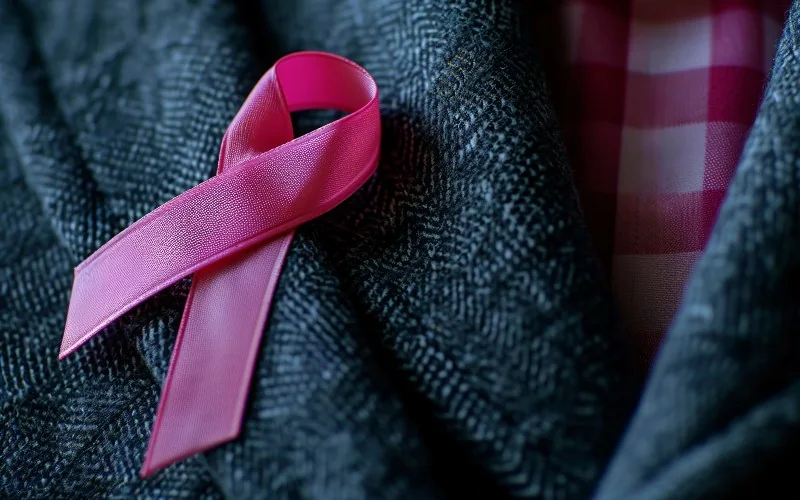
Kenya records thousands of new cancer cases every year, with the latest estimates showing that 35,867 people are diagnosed annually, while 22,888 die from the disease.
This is according to the latest figures from the Global Cancer Observatory (GLOBOCAN) 2024, which highlight cancer as one of the country’s biggest public health challenges and underscore the urgent need for greater awareness, early screening, timely treatment, and improved access to care.
The report estimates that about 76,165 people are living with cancer within five years of diagnosis. While the numbers reflect a decline compared to GLOBOCAN 2022 estimates, the disease continues to affect thousands of Kenyan families annually.
Breast cancer remains the most common in Kenya, with 5,822 new cases recorded each year, followed by cervical cancer (4,294), prostate cancer (3,601), oesophageal cancer (2,532), and colorectal cancer (2,525).
Cancer deaths remain a major concern, with breast cancer causing the highest toll at 2,882 annually. It is followed by cervical, oesophageal, prostate, and colorectal cancers.
Among men, prostate cancer remains the leading diagnosis, while breast cancer continues to be the most common among women.
The National Cancer Institute of Kenya (NCI-K) says strengthening prevention, early detection, treatment, and research is critical to reducing the impact of cancer in the country.
“Cancer remains a major health challenge, but through early detection, timely treatment, and collective action, we can reduce the number of people losing their lives to the disease,” the institute said.
NCI-K added that continued investment in cancer services and awareness programmes is essential to improving outcomes for patients.
“We encourage all Kenyans to take charge of their health by going for recommended cancer screening, maintaining healthy lifestyles, and seeking medical attention early when they notice unusual symptoms,” the Institute said.
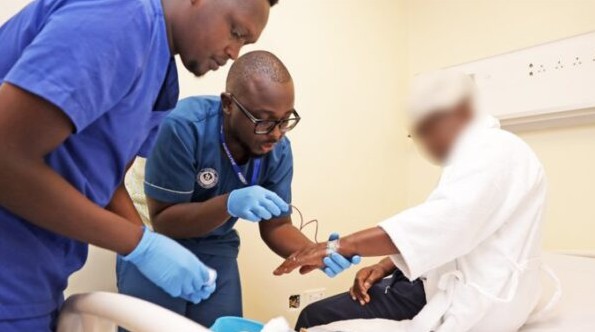
Through the National Cancer Control Strategy 2023-2027, Kenya is working to strengthen prevention, diagnosis, treatment, palliative care, research, and surveillance.
NCI-K is calling for stronger collaboration between government agencies, healthcare providers, counties, researchers, private sector partners, and communities to build a more robust response against cancer.
Health officials emphasise that early detection remains one of the most effective ways to improve survival and reduce cancer-related deaths. With greater awareness and access to care, more Kenyans can be diagnosed early and receive life-saving treatment.



































Comments
Sign in with Google to comment, reply, and like comments.
Continue with Google