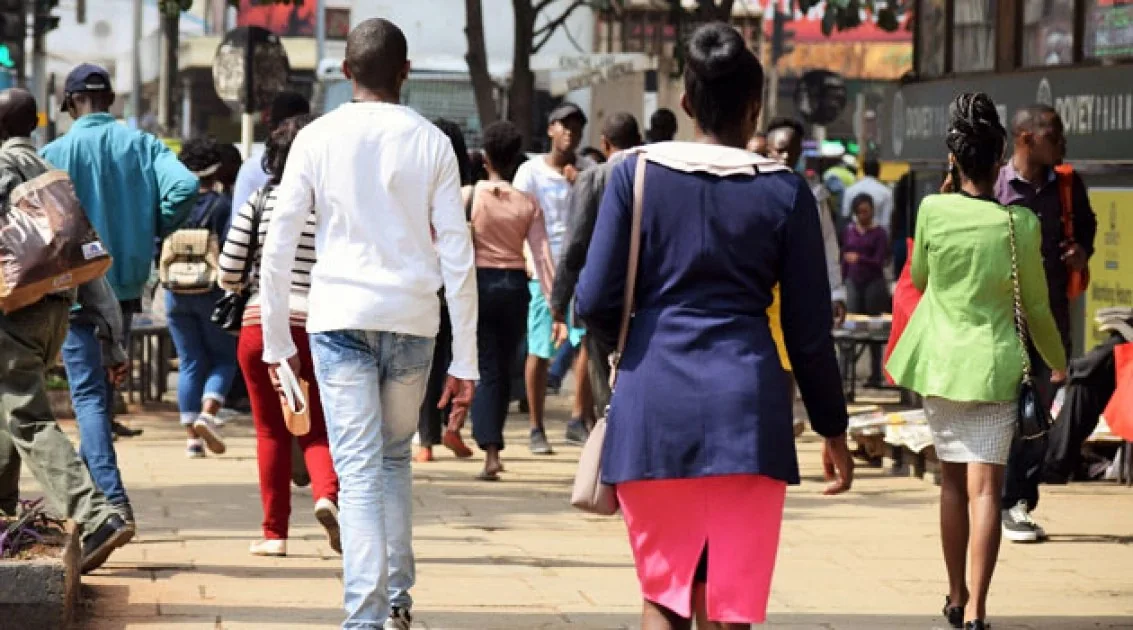
Pedestrians, cyclists, and motorcyclists remain the most vulnerable road users, accounting for more than half of all road traffic deaths. Men are also about three times more likely to die in road crashes than women.
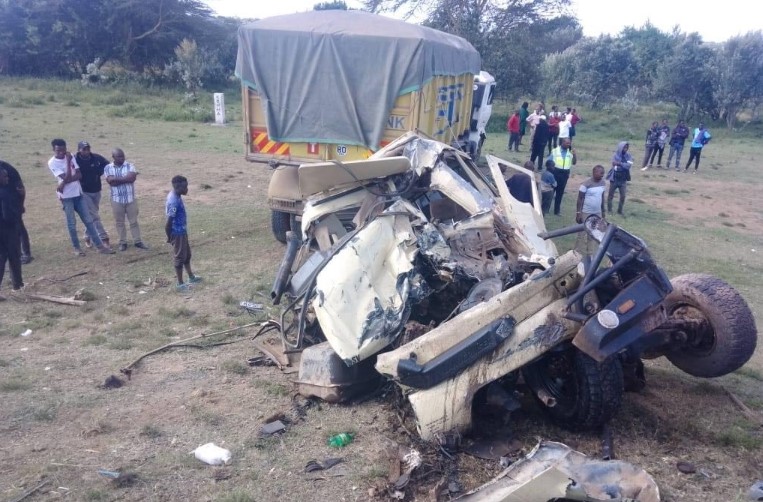
Road traffic crashes continue to kill more than one million people every year, making them one of the world's leading public health challenges, according to the World Health Organisation.
Around 1.16 million people die annually in road crashes, while between 20 and 50 million others suffer injuries, many of which lead to permanent disability. In 2023 alone, road crashes caused an estimated 1.3 million deaths and 51 million injuries worldwide.
Children, teenagers, and young adults are among the hardest hit. Road traffic injuries are the leading cause of death for people aged 5 to 29 years, while most victims are adults of working age.
According to the Kenya National Bureau of Statistics, 4,748 people died in road crashes in 2024, up from 4,513 deaths recorded in 2023, representing a 5.2 per cent increase. The number of people injured also rose sharply, with 11,937 injuries reported in 2024 compared to 10,677 the previous year, an 11.8 per cent increase. The rise in fatalities and injuries underscores the growing burden of road traffic crashes on families, communities, and the country's health system.
The burden is greatest in low- and middle-income countries, which account for more than 90 per cent of all road traffic deaths despite having only about 60 per cent of the world's vehicles.
Beyond the loss of life, road crashes place a heavy financial burden on families and governments. Many survivors require costly medical treatment and long-term care, while relatives often lose income as they take time off work to care for injured loved ones. WHO estimates that road crashes cost countries about 3percent of their Gross Domestic Product (GDP) every year.
According to the WHO, speeding remains one of the biggest causes of fatal crashes. Every 1 per cent increase in average speed raises the risk of a fatal crash by 4 per cent. The risk is even greater for pedestrians, whose chances of dying increase sharply when struck by faster-moving vehicles.
“Driving under the influence of alcohol or drugs also greatly increases the likelihood of serious crashes. The organisation warns that even small amounts of alcohol can impair judgment and reaction time, while drugs such as amphetamines significantly increase the risk of a fatal crash,” according to the WHO.
Simple safety measures can save thousands of lives. Wearing a motorcycle helmet correctly can reduce the risk of death by more than six times and lower the risk of brain injury by up to 74 per cent. Seat belts can cut the risk of death by up to 50 per cent, while proper child restraints can reduce deaths among infants by 71percent
WHO also warns that distracted driving, particularly the use of mobile phones, is becoming an increasing threat. Drivers using mobile phones are about four times more likely to be involved in a crash because using a phone slows reaction time and reduces attention on the road.
Poorly designed roads, unsafe vehicles, and delayed emergency medical care also contribute to the high number of deaths. Many roads lack safe walkways, crossing points, and cycling lanes, while some vehicles do not meet basic international safety standards. Delays in getting emergency treatment after a crash can also turn survivable injuries into fatal ones.
The organisation says stronger enforcement of traffic laws, including those on speeding, drink-driving, helmet use, and seat belts, is essential to reducing road deaths.
The United Nations has set a target of cutting global road traffic deaths and injuries by 50 per cent by 2030 under the Decade of Action for Road Safety. WHO says achieving that goal will require governments to invest in safer roads, safer vehicles, better emergency care, and stronger enforcement of road safety laws.
Health experts say most road crashes are preventable and that coordinated action by governments, communities, and road users could save hundreds of thousands of lives every year.















































Comments
Sign in with Google to comment, reply, and like comments.
Continue with Google