Explainer: Why the 2026 FIFA World Cup ball comes with battery that needs charging before every match
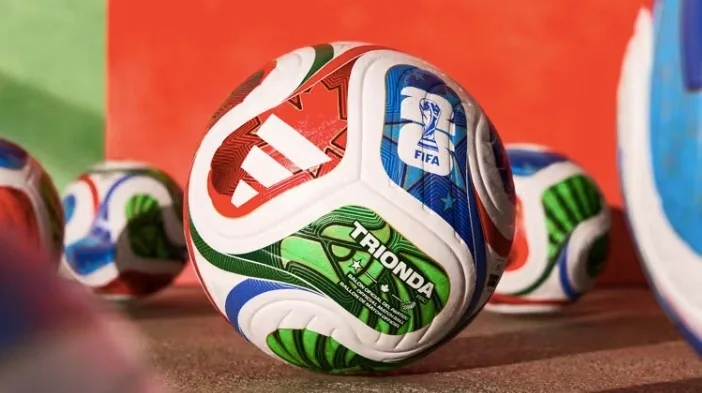
The ball contains a small built-in sensor designed to track what happens to it during a match. It records key moments such as when the ball is kicked, how fast it travels and how it changes direction. All of this happens in real time, giving officials a live picture of how the ball moves during play.
More To Read
- Miguel Almiron first player sent off for covering mouth under new FIFA rule
- Africa, Iran, and the soul of World Cup 2026: Pitch last truly neutral ground
- United States secures knockout-stage berth with 2-0 win over Australia
- Group C wide open after Morocco's Saibari sinks Scotland as Brazil cruise past Haiti
- World Cup 2026: The real story of the resilient African migrants reshaping global football
- Mexico first team into knockouts as Canada celebrate maiden World Cup victory
Latest Stories
Still, the fact that the TRIONDA needs to be charged shows how much football is changing ahead of the 2026 World Cup. What was once just a ball is now part of a wider system designed to help officials make decisions during matches.
As the June-July tournament draws closer, the TRIONDA is becoming one of the clearest signs of how technology is quietly becoming part of the modern game, even in something as simple as a football.
Top Stories Today







































Comments
Sign in with Google to comment, reply, and like comments.
Continue with Google