Gavi to channel vaccine funds directly to Kenya in major policy shift
The change mirrors a recent move by the United States (US), which announced that funding for HIV products will now go directly to governments.
Kenya is set to take a more direct role in its vaccine management as Gavi, the global vaccine alliance, will channel the majority of its funding straight to the government.
Previously, Gavi approved vaccines for bulk purchase through the United Nations Children's Fund (UNICEF) on Kenya’s behalf, a system that helped maintain steady supplies and affordable prices.
More To Read
- Gaza faces humanitarian disaster with thousands trapped in flooded camps
- All we want for Sudan is peace, say children fleeing violence
- Children killed in Sudan’s South Kordofan drone attacks as humanitarian crisis worsens
- UNICEF, Save the Children hail Turkana’s progress in tackling malnutrition
- Malaria fight at risk as drug resistance spreads despite new tools saving millions
- Sudan’s crisis deepens with communities trapped in ‘siege conditions’
Under the new arrangement, the government will progressively assume responsibility for vaccine procurement, giving it greater control over planning, prioritisation, and distribution.
The change mirrors a recent move by the United States (US), which announced that funding for HIV products will now go directly to governments.
Gavi’s board approved the new approach during its final meeting ahead of the launch of its next five-year plan, known as Gavi 6.0, which spans 2026 to 2030.
Through this system, nearly 90 per cent of Gavi’s vaccine procurement budget will flow directly to participating countries under what is called “country vaccine budgets”.
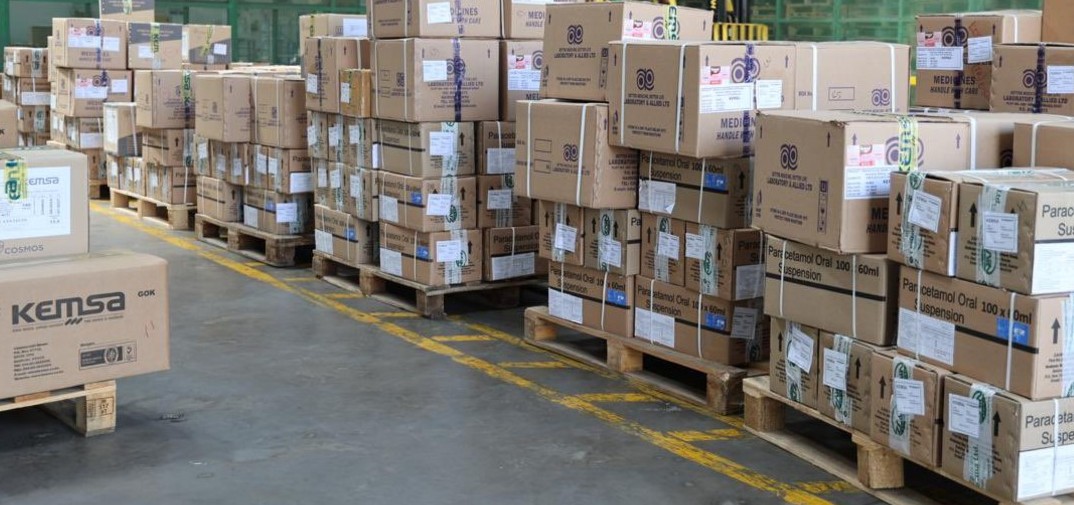
For Kenya, the Kenya Medical Supplies Authority (Kemsa) will now play a central role in overseeing vaccine management.
Gavi said the shift is aimed at strengthening national ownership, reducing bureaucratic procedures, and providing governments with a clearer understanding of the resources available over the next five years.
“[The] decision will further place country ownership at the heart of the Gavi model, increase focus on protecting the most vulnerable despite financial constraints and support expanding equitable access to key vaccines,” the Geneva-based alliance said.
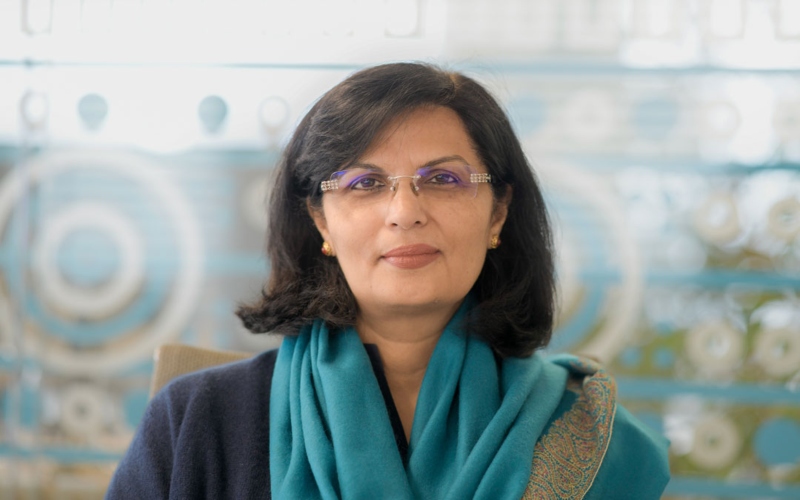
Gavi CEO Sania Nishtar said the reforms are designed to give countries more control over how resources are used while easing administrative pressures on the alliance.
“These changes are well on their way to implementation, with grant management reform - a key pillar of the Gavi Leap - already in place and a year-long secretariat review that will see our headcount reduce by 33 per cent now complete,” she explained.
Kenya has been among Gavi’s standout success stories. Since 2001, the alliance has helped the country introduce vaccines, including pneumococcal, rotavirus, HPV, yellow fever, and malaria, which have contributed to a major drop in child deaths.
As Kenya’s economy expands, it is expected to gradually assume full financing of vaccines. Gavi has extended Kenya’s transition timeline once, with donor support scheduled to end in 2029 unless another extension is granted.
While the new country-budget model gives Kenya more autonomy over vaccines, it also introduces new operational and financial responsibilities.
Top Stories Today