Why Beryl was buried facing the gate at the Kang’o Ka Jaramogi home
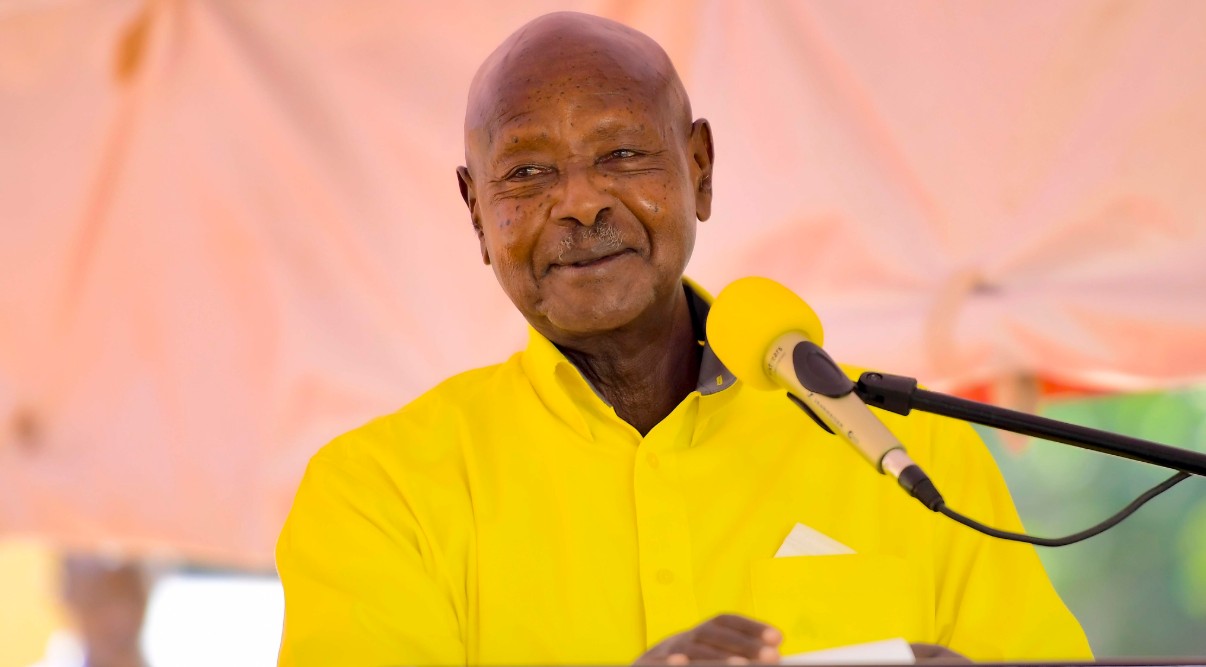
ODM leader and Siaya Senator Oburu Odinga, Beryl’s brother, addressed the questions surrounding the ceremony, explaining that the family’s decision respected both longstanding customs and the instructions left by their late father, Jaramogi Oginga Odinga.
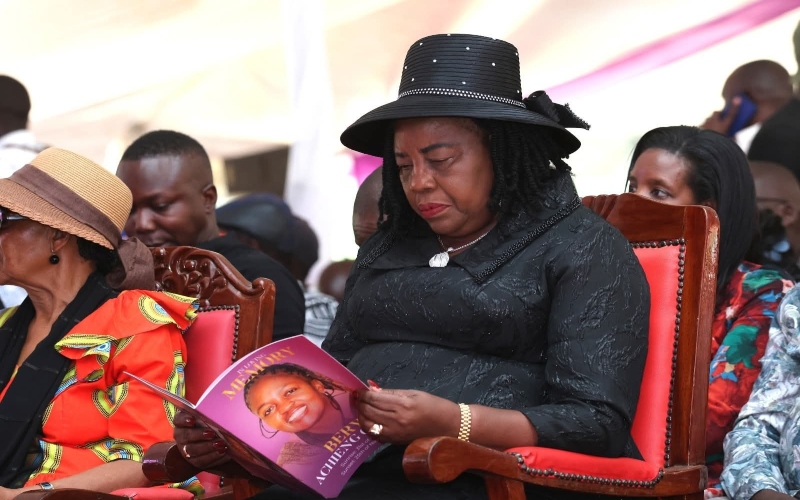
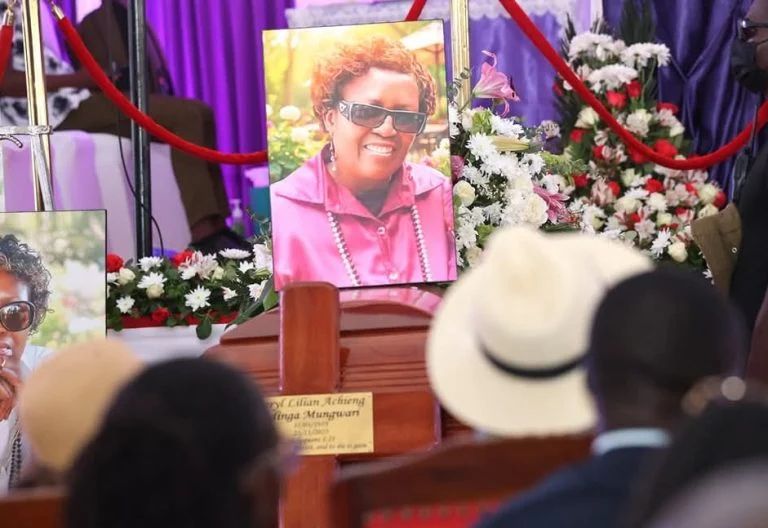
Beryl Achieng Odinga, sister to the late Raila Odinga, who passed away on November 25, 2025, was laid to rest on Saturday at the Kang’o Ka Jaramogi home in Bondo, in a ceremony attended by family, friends, and leaders from across the country.
Ahead of the burial, the Odinga family sought to clarify the cultural and personal considerations behind Beryl’s interment, which had drawn significant attention.
More To Read
- Drama at Beryl Odinga’s burial in Bondo as Ida confronts rowdy youth
- Full implementation of NADCO report puts UDA–ODM pre-election alliance under pressure
- Saboti MP Caleb Amisi warns ODM may not survive 2027 after by-election struggles
- Raila Odinga's sister Beryl Achieng dies
- Why fight over ODM threatens party’s future, Odinga dynasty - analysts
- Oburu Oginga declares firm grip on ODM, promises to lead in Raila’s footsteps
ODM leader and Siaya Senator Oburu Odinga, Beryl’s brother, addressed the questions surrounding the ceremony, explaining that the family’s decision respected both longstanding customs and the instructions left by their late father, Jaramogi Oginga Odinga.
Oburu noted that Luo traditions often place unmarried women outside the main homestead, but the family followed Jaramogi’s guidance, who had designated the home cemetery as the resting place for all family members.
“We know our traditions, and we respect them,” Oburu said. “Our sister will be buried with her head facing the gate, as Luo culture requires. We are keeping every rite except one.”
He explained that the only deviation from older customs was the burial location, chosen according to Jaramogi’s instructions. “The world has changed, and land is no longer what it used to be. Our father marked where every family member should be laid to rest. We are simply following that guidance,” Oburu added.
He appealed to cultural leaders for understanding, emphasising the family’s effort to honour tradition while acknowledging present-day realities.
Beryl’s passing came shortly after the death of her brother Raila, leaving the family in profound grief. She is survived by her children, Ami, Auma, Chizi, and Taurai, and had a distinguished career, serving as the first black Town Clerk of Mutare in Zimbabwe before later chairing the Nairobi Water and Sewerage Company.
During the service, Mama Ida Odinga shared fond memories of Beryl from their University of Nairobi days. She described her as warm, outgoing, and generous, always ready to help friends and family.
“Let me say something about my sister-in-law, Beryl… She was eloquent, full of life, friendly to everybody, and very generous,” Ida recalled.
She narrated an instance when Beryl told a friend to pick a dress from her wardrobe to attend a wedding, showing her easygoing nature.
Ida also reflected on Beryl’s struggle with illness, recounting her time at the hospital surrounded by machines and unable to speak.
To protect her brother, Raila, she avoided informing him of Beryl’s condition, knowing it would devastate him due to their closeness.
Later, Ida learned that Beryl did come to know about Raila’s passing, a revelation that added to her final days’ pain.
Wiper leader Kalonzo Musyoka, a classmate of Beryl’s at the University of Nairobi, also paid tribute. He remembered her humility despite being Jaramogi’s daughter and said they finished school without knowing she came from such a prominent family.
Kalonzo fondly recalled Beryl’s love for dancing, which she shared with classmates, including Sally Kosgei, a bond that continued even when they met years later in Zimbabwe.
Top Stories Today