Commission sounds alarm as new data shows rising gender-based violence in Kenya
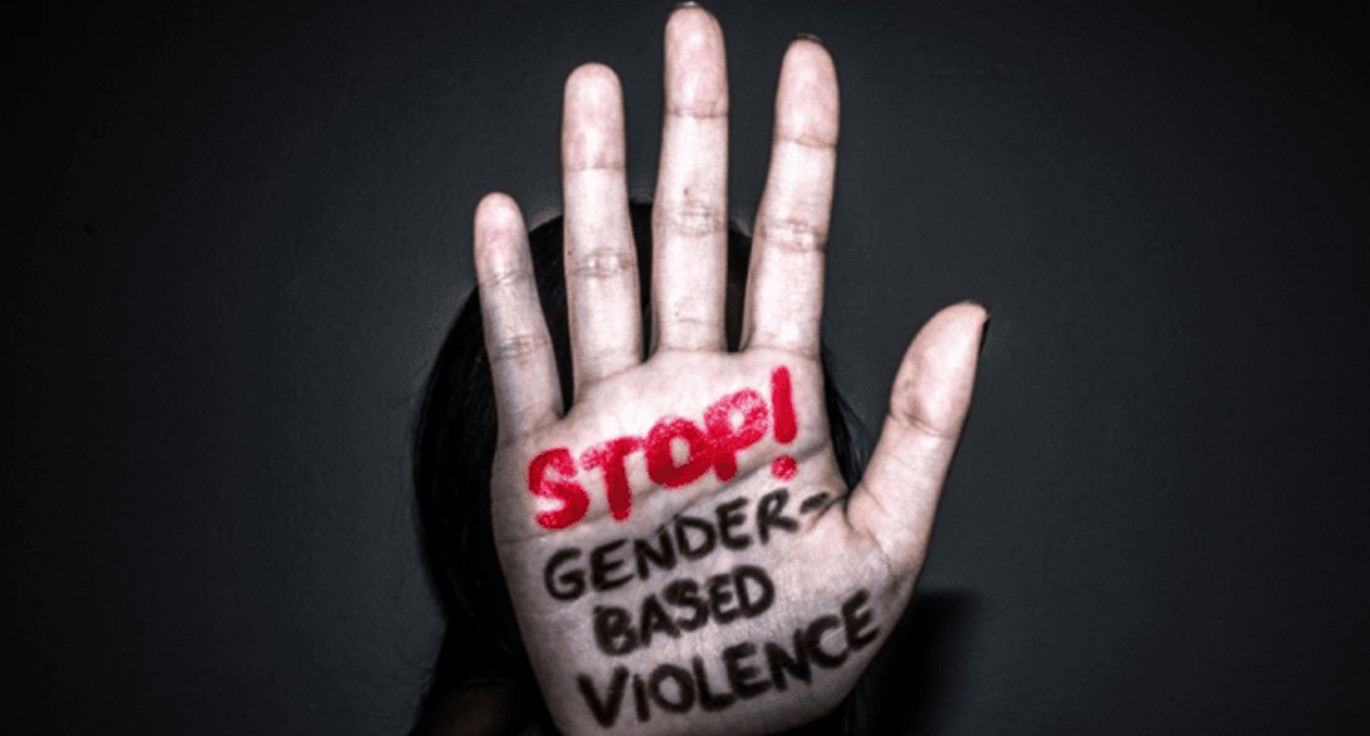
NGEC says the statistics reflect a broader national crisis that leaves millions of women and girls vulnerable to abuse.
The National Gender and Equality Commission (NGEC) has sounded a sharp warning over the growing levels of gender-based violence in Kenya, revealing alarming new data that highlights the risks faced by women and girls across the country.
According to the Commission, 43 per cent of women aged 15 to 49 have experienced violence from intimate partners, while 13 per cent have been subjected to sexual abuse.
More To Read
- Men are majority of homicide victims in Kenya despite media focus on women, state report reveals
- KNCHR report casts doubt on Kenya’s commitment to refugee protection
- Kenya, UK celebrate success of Sh3.6 billion REINVENT security programme after seven years
- W20 pushes G20 to advance women’s economic empowerment, care work, health, climate justice
- Sexual violence driving mass flight from Sudan to South Sudan: What you need to know
- 16 days of activism: Strengthening protection against gender-based violence
The findings come from a report examining school-level factors that hinder girls’ access to quality education, particularly in marginalised communities.
NGEC says the statistics reflect a broader national crisis that leaves millions of women and girls vulnerable to abuse.
Additional data from the Commission shows that 15 per cent of school-going girls have undergone Female Genital Mutilation, 23 per cent are forced into marriage before turning 18, 65 per cent encounter sexual harassment in public spaces, and 64 per cent experience technology-based abuse, including online harassment and stalking.
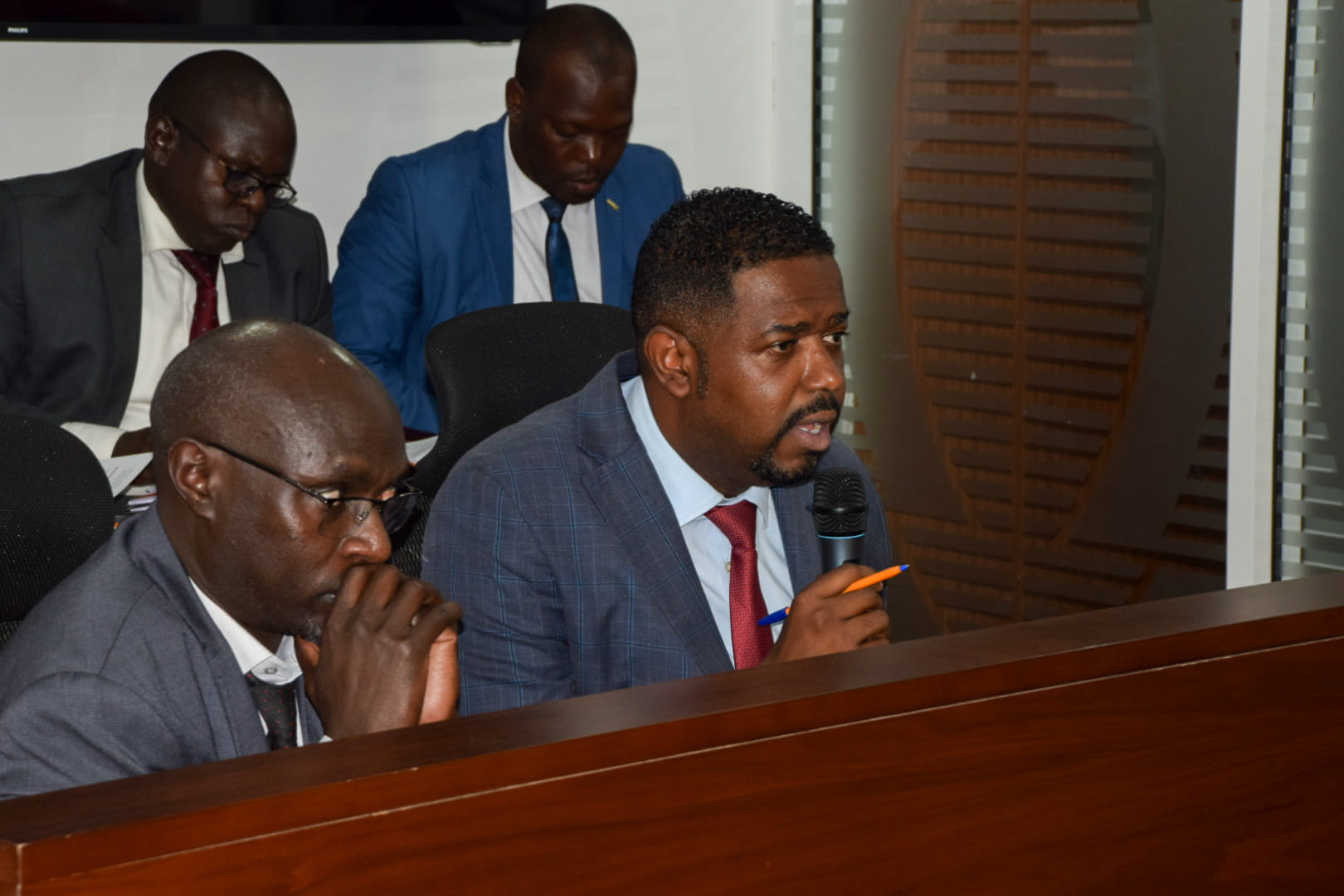
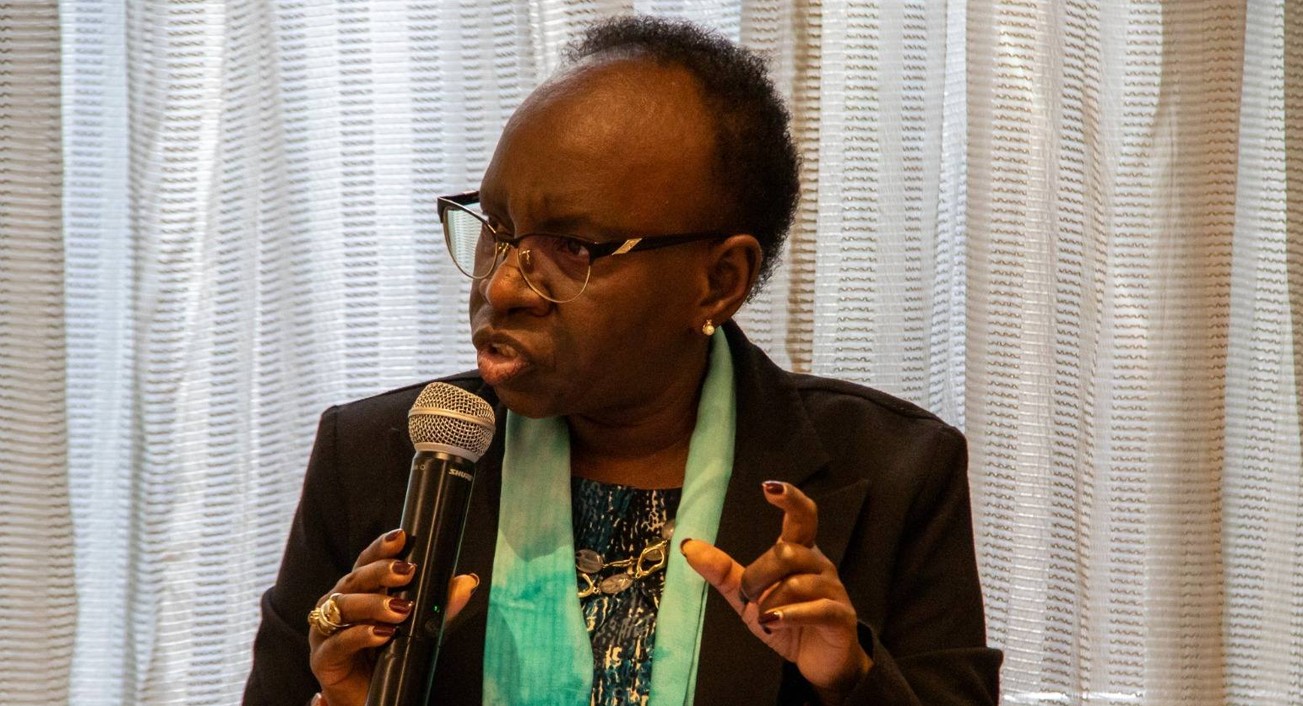
Maya Soma, Gender Advisor at the Japan International Cooperation Agency (JICA), highlighted the role of harmful traditional practices in perpetuating abuse, especially in vulnerable areas.
"These practices persist despite strong laws, highlighting the challenge of translating legislation into compliance at the community level,” she said.
The report also reveals serious gaps in the support systems for survivors. Only 13 out of 47 counties have operational GBV Recovery Centres, and the country has just four public shelters.
Fragmented coordination among police, health providers, and social services further slows or limits access to help, particularly in rural and remote regions.
While there have been improvements in some urban centres such as Nairobi, Machakos, and Kajiado, Soma warns that these efforts are limited.
The Commission is calling for the establishment of more shelters, enhanced policies, proper training for staff, and active community engagement to prevent and respond to gender-based violence effectively.
Top Stories Today