Most Kenyans killed by police were shot in the back while fleeing - IMLU report

An IMLU report says 97 Kenyans were extrajudicially killed by police in a year, most shot from behind while fleeing protests, with Nairobi the epicentre of wider abuses and arbitrary arrests.
Most of the 97 Kenyans killed by police over the past year were shot from behind, the Independent Medico-Legal Unit (IMLU) has disclosed, exposing a worrying pattern of unlawful killings during protests and routine policing.
The annual report, released on International Human Rights Day, shows that three out of every five extrajudicial killings involved victims who were unarmed and fleeing, highlighting a blatant disregard for life.
More To Read
- Kenya records 17 deaths in police, prison custody amid rising abuse concerns
- Kenya on UN radar after ignoring letters on human rights abuses
- Rights group seeks to join suit targeting police officers who conceal identity during operations
- Mudavadi attends UN human rights conference amid scrutiny over RSF Nairobi meeting, domestic abuses
- DCI, KWS given deadline to produce missing Nakuru fisherman Brian Odhiambo
- Lobby groups call for action against police as five more bodies are retrieved from Embakasi quarry
According to IMLU, most fatalities occurred during public demonstrations, as young people tried to escape police firing live bullets into crowds.
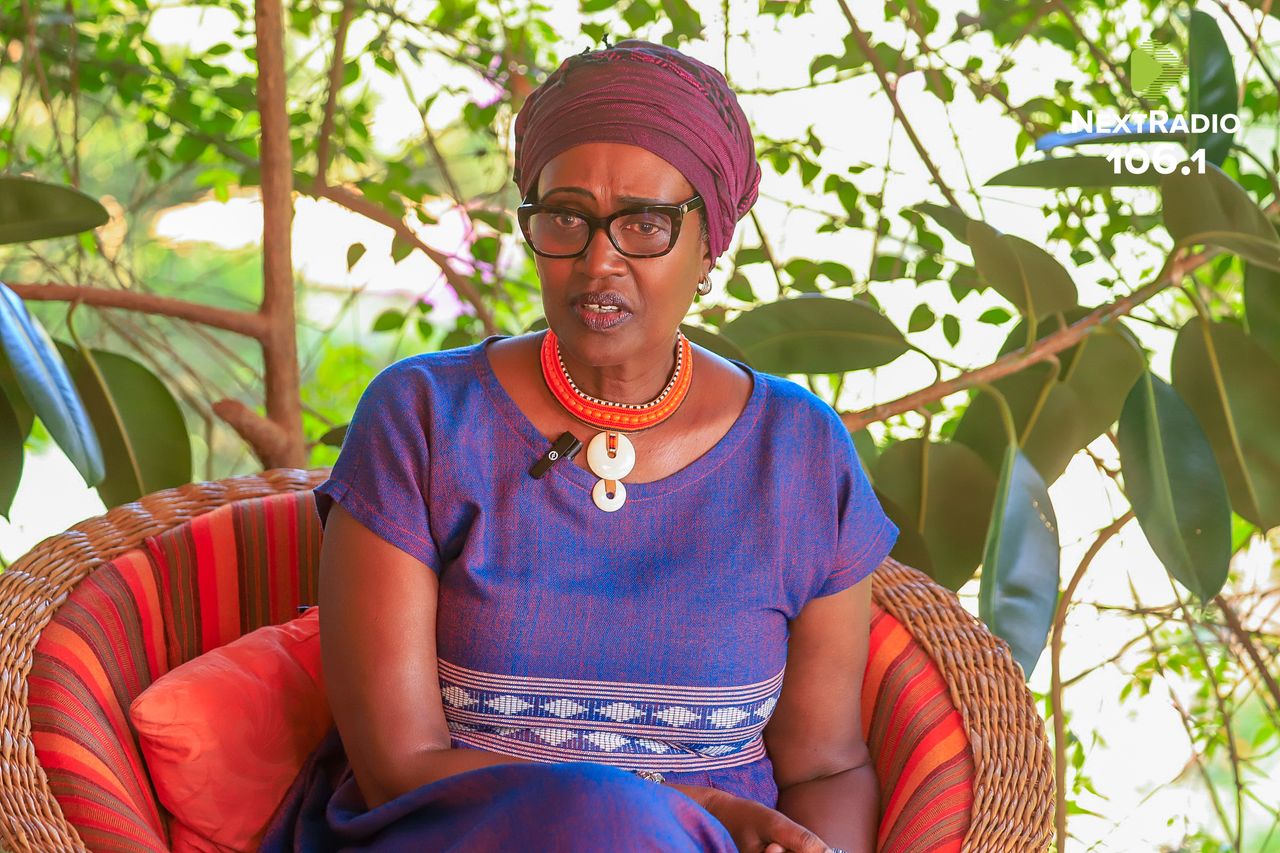
“We have documented cases where protesters were shot as they ran for safety. They had their backs turned, they were retreating, yet the police still fired at them. Shooting a fleeing protester shows a total disregard for life and a complete failure to adhere to international standards,” said IMLU Executive Director Grace Wangechi.
Using forensic examinations, survivor testimonies, nationwide monitoring, and medico-legal documentation, IMLU verified 97 extrajudicial executions, 18 deaths in custody, 72 cases of torture or ill-treatment, 49 protest-related injuries, over 1,500 arbitrary arrests, and five enforced disappearances.
Wangechi warned that these figures represent only what could be documented, as many cases remain hidden due to intimidation and obstruction of evidence collection.
Among the documented cases is Elvis Musave, who was fatally shot in the back while helping another protester during the Saba Saba protests in Kangemi, Nairobi, on July 7 last year.
Another victim, Evans Kiche, was killed in Kasarani while fleeing a police attack at a gathering mourning ODM leader Raila Odinga.
Stephen Outa Mukoya, IMLU’s monitoring and evaluation officer, said the pattern was evident during protests on June 9 and June 25, 2024, as well as Saba Saba, pointing to a systematic targeting of unarmed civilians.
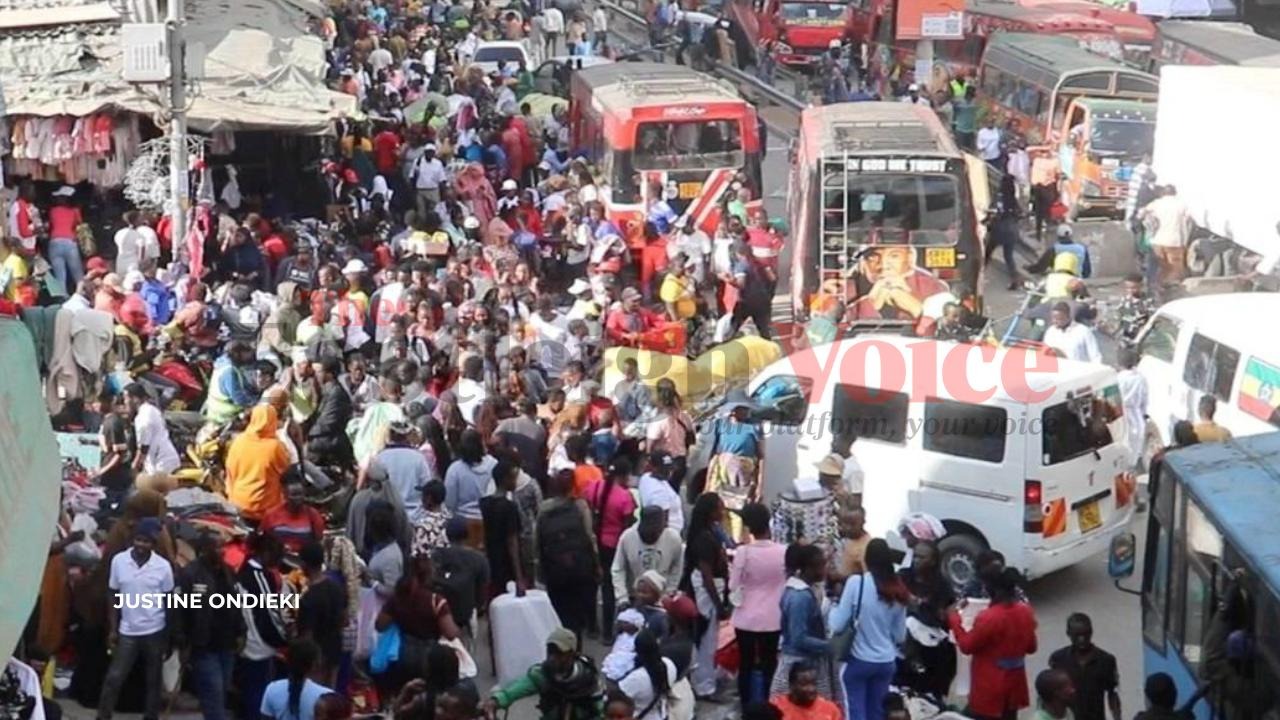
“More than 60 per cent of all recorded violations occurred in Nairobi, making the capital the epicentre of the State’s clampdown on free expression. Rather than protection, protesters are increasingly criminalised,” Mukoya said.
He also noted that peaceful demonstrators and activists are being charged under anti-terrorism laws, a tactic that undermines due process and spreads fear in civic spaces.
IMLU’s report also highlighted forced deportations and cross-border targeting of human rights defenders aimed at suppressing activism.
The report further details a decline in media freedoms, with journalists facing arrests, intimidation, and interference in their work, limiting public oversight of security agencies. Cases of custodial torture persist, including the abuse of minors.
The report cites 17-year-old Felix Senet Takona, who suffered burns and severe injuries allegedly inflicted by police in Naroosura, Narok, reflecting entrenched brutality within law enforcement.
Mukoya said documentation efforts are increasingly obstructed, with monitors surveilled and blocked from collecting evidence.
Simon Malenya, IMLU’s Technical Lead for Advocacy, condemned continued violations of judicial directives requiring police to wear uniforms during operations.
He added that hooded officers in unmarked vehicles remain active, further demonstrating impunity.
Kenya’s worsening human rights record has also drawn international attention; during the UN Universal Periodic Review in May, Kenya received 303 recommendations from other states.
Wangechi said this highlights the grave nature of the situation in the country.
Top Stories Today
Reader Comments
Trending