Treasury sanctions Sh43.5 billion in unplanned spending in first quarter, budget watchdog says
The largest single allocation was Sh16 billion to the State Department for Internal Security and National Administration, described only as “to cater to security-related expenditures,” with no further details, triggering transparency concerns.
During the first quarter of the 2025-26 financial year, the National Treasury authorised Sh43.5 billion in unplanned spending, according to a recent Controller of Budget report.
The approvals, which bypassed parliamentary oversight, reveal a growing dependence on emergency funds to meet urgent operational needs, stalled development projects, and political commitments.
More To Read
- Treasury eyes restructuring as Sh137 billion water sector debt stalls
- Government eyes handing NTSA’s smart driving licence programme to private investor
- Counties exposed as Auditor General flags major in emergency preparedness
- Government sets 14-day deadline to end student bursary delays nationwide
- Treasury: Kenya can no longer rely on taxes or borrowing for big infrastructure projects
- County expenditure share by sector (FY2023/24)
The National Government Budget Implementation Review Report highlights numerous authorisations under Article 223 of the Constitution, which allow spending beyond Parliament’s approved budget in emergencies.
While the law is meant for urgent and unavoidable expenses, the report shows the money was used for a wide range of purposes, from youth talent programmes and social welfare to infrastructure projects and financial bailouts, raising questions about the government’s budget discipline.
The largest single allocation was Sh16 billion to the State Department for Internal Security and National Administration, described only as “to cater to security-related expenditures,” with no further details, triggering transparency concerns.
The State Department for Social Protection and Senior Citizen Affairs received Sh3.71 billion for SHIF medical cover for 450,000 vulnerable citizens and to develop the Social Protection Act.
Meanwhile, Sh3 billion went to the State Department for Special Programmes to buy essential food items, including maize, beans, rice, and cooking oil.
The report also documents funding for financial rescues and outstanding debts. The Agriculture Ministry got Sh2 billion to support sugar sector reforms and pay arrears to farmers.
Medical Services was allocated at least Sh896.8 million to clear pending Covid-19 Health Emergency Response bills, which are straining the Treasury.
The Kenya Affordable Housing Finance Project also received Sh1.88 billion to cover pending payments.
Infrastructure projects were another major focus. The Isiolo–Mandera Road project received Sh2 billion for contractor mobilisation, while Sh6.3 billion went to the Transport department for advance payments on the Mombasa Special Economic Zone (Dongo Kundu).
The Energy Department was granted Sh1.11 billion for the Kenya Electricity Expansion Project.
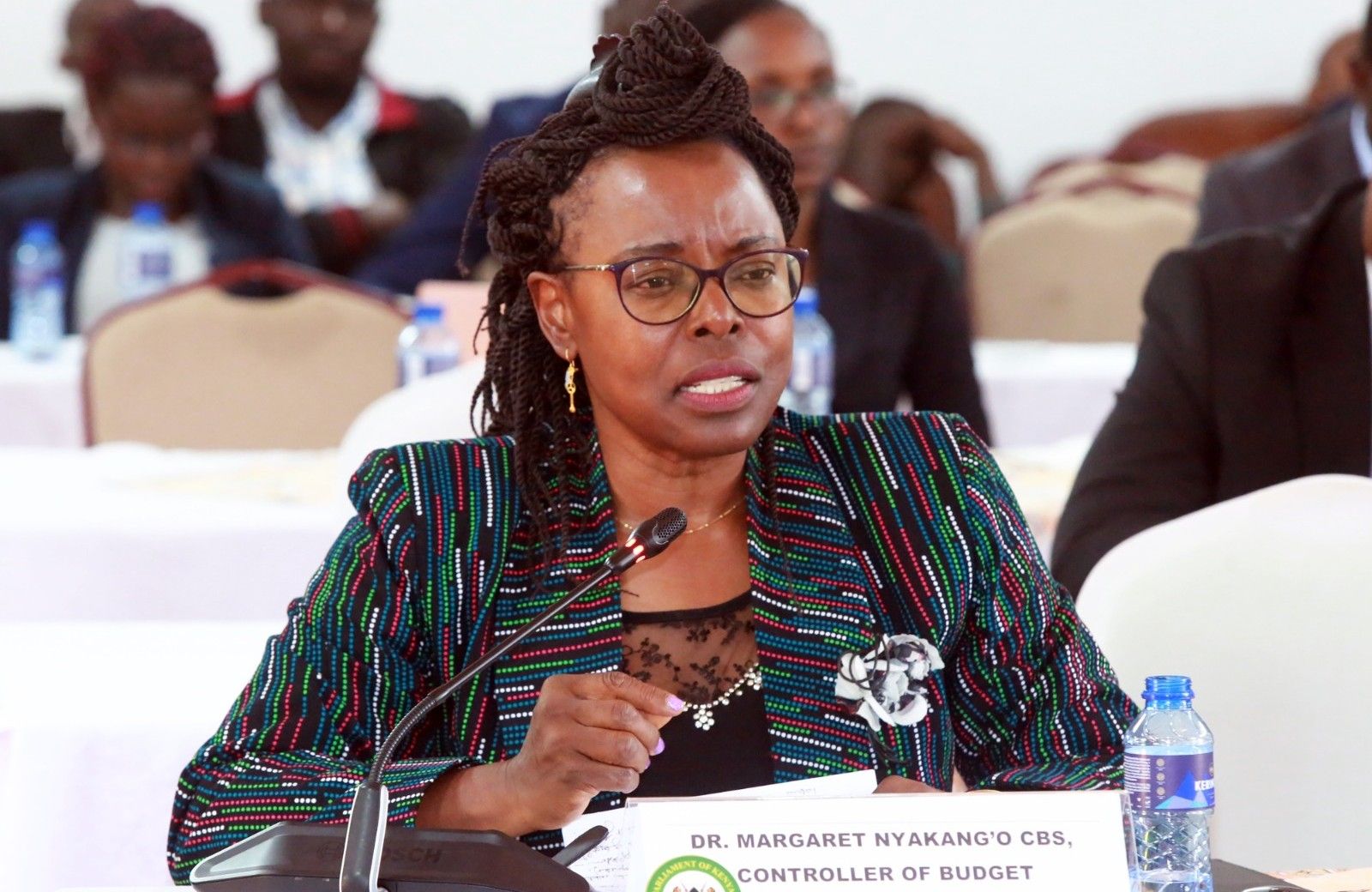
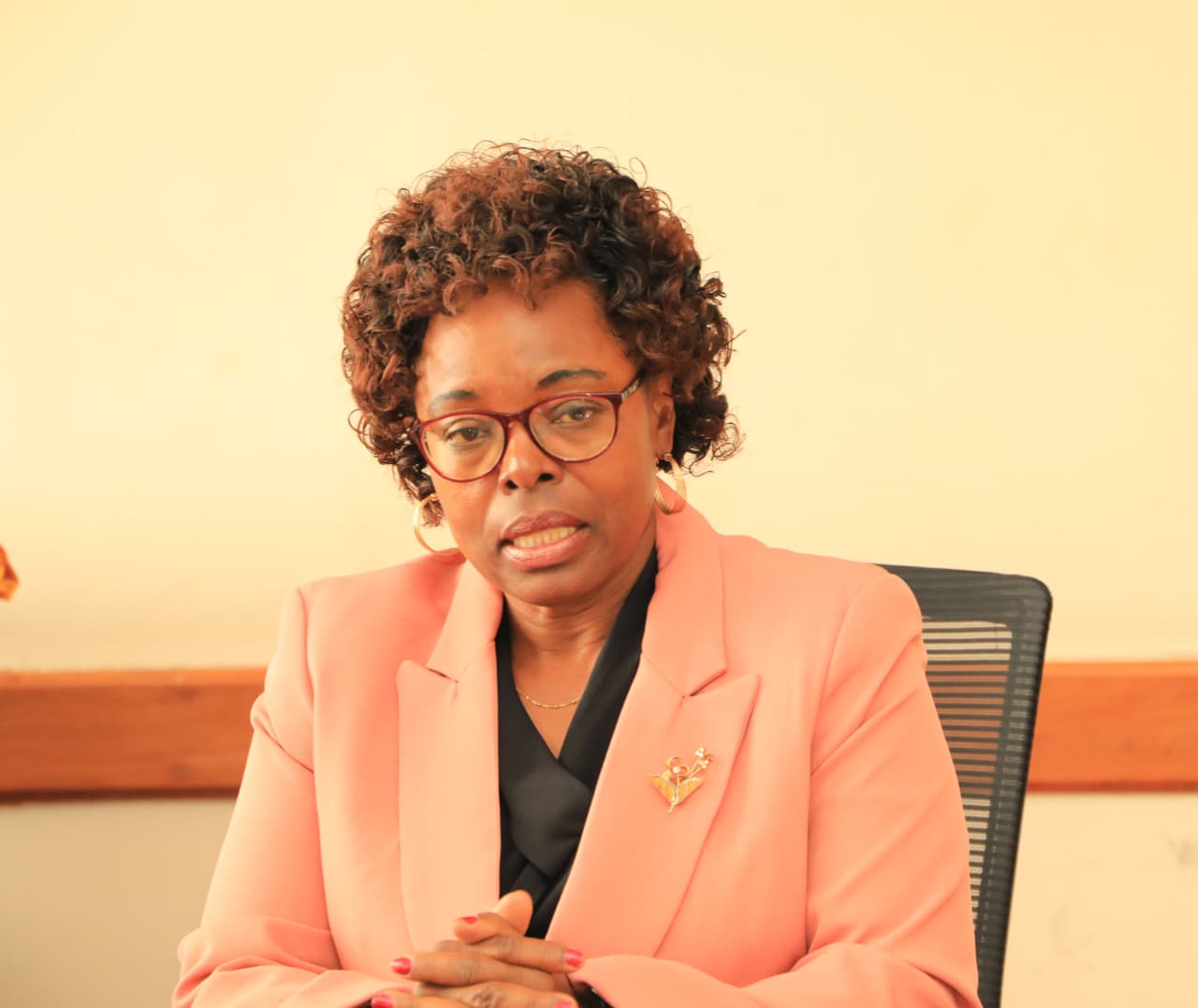
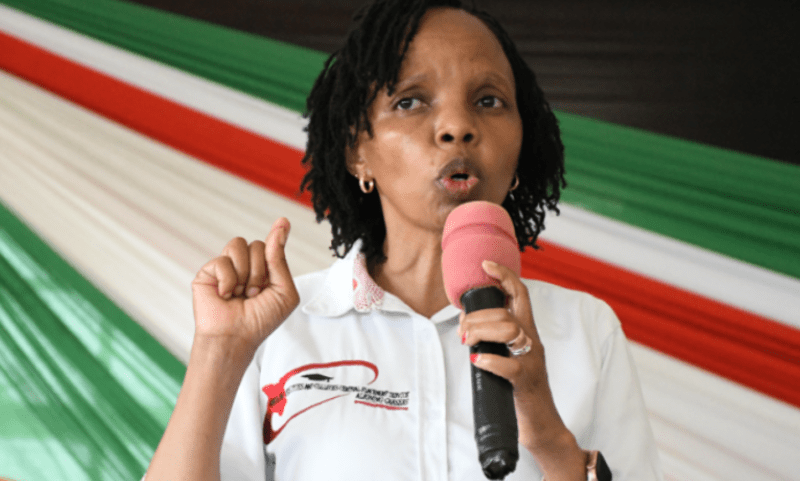
A notable political-related approval was Sh200 million for the Registrar of Political Parties to handle costs linked to a case involving the Orange Democratic Movement (ODM), marking the only legal or political expense approved so far by Controller of Budget Margaret Nyakang’o.
Other allocations included Sh390 million for International Youth Day events, creating a Youth Development Index, running the “WHOZ’S NEXT Talent Search Programme,” and buying a vehicle under the NYOTA Project.
Additionally, Sh300 million was approved as counterpart funding for the VIVA Project, though the report did not provide details on the project’s scope.
Although the Treasury approved Sh43.5 billion, only Sh200 million received the Controller of Budget’s direct approval.
Nyakang’o stressed that while the spending remains within legal bounds, it underscores ongoing challenges in fiscal oversight and budget prioritisation.
Top Stories Today