The Inspector General of Police, Douglas Kanja, has maintained that the country has remained safe and secure even as chaos was witnessed across several parts of Nairobi during the Gen Z anniversary protests on June 25, 2026.
Addressing the media on Thursday, Kanja said security agencies had allowed peaceful commemorations by protesters marking two years since the June 25, 2024, demonstrations against the Finance Bill 2024, but warned that police would act against individuals seeking to cause trouble.
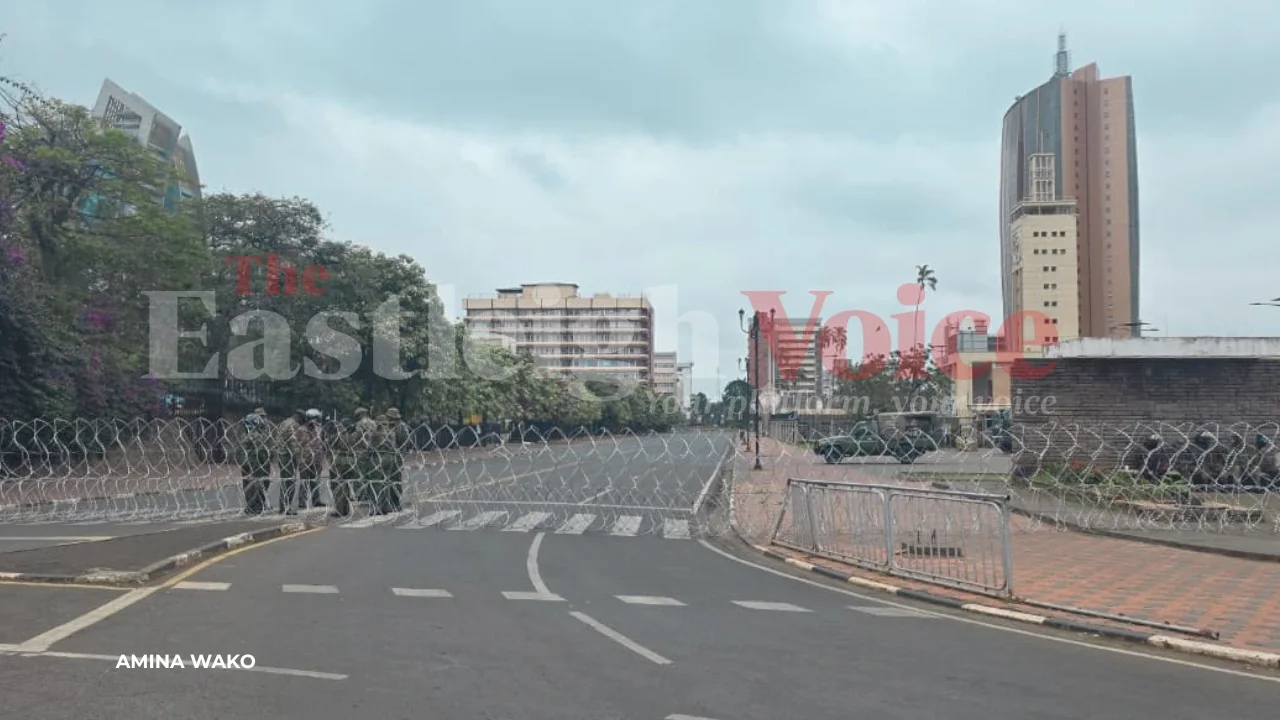
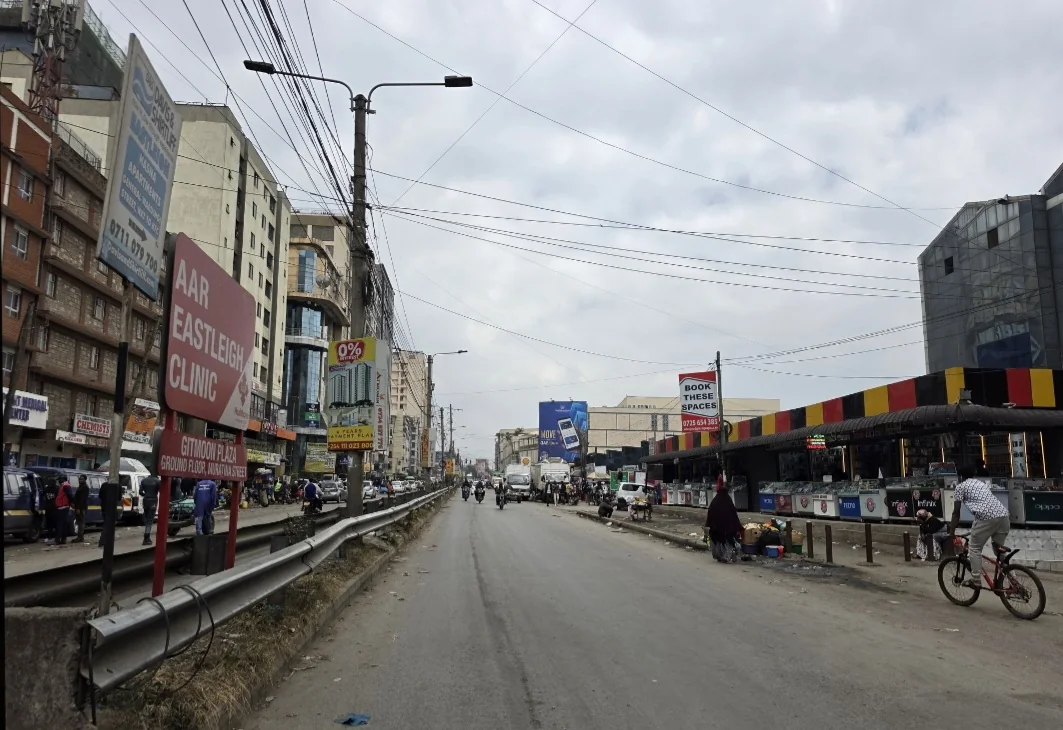
In Nairobi, the Central Business District (CBD) remained largely deserted as police heightened security and barricaded major routes leading into the city.
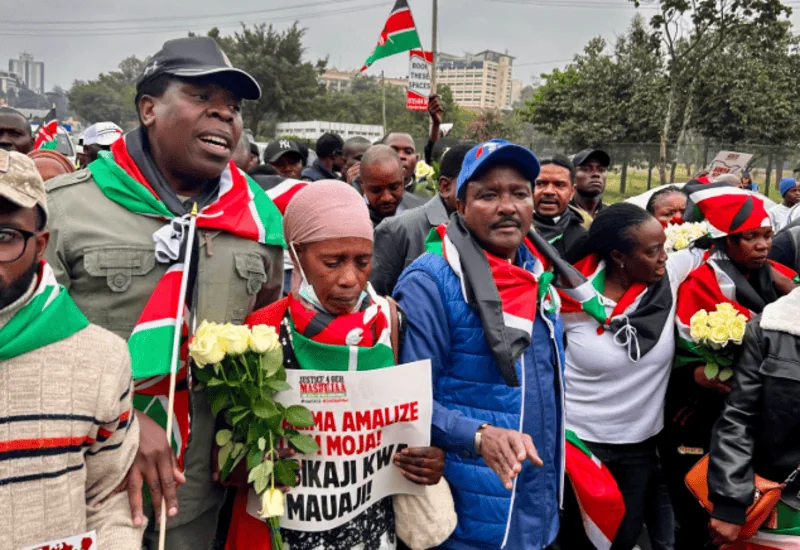
Protesters, activists, politicians and families of victims who died during the 2024 protests were allowed to march to Parliament Buildings to lay flowers in memory of those who lost their lives.
Some protesters laid rose petals outside Parliament, while others demonstrated along Kenyatta Avenue in Nairobi.
Kanja hailed police officers for maintaining peace, insisting that security is a shared responsibility between police and the public.
“Let me start by saying that our country is safe and secure, from the north to the south, from east to the west. Our country is safe and secure,” he said.
He emphasised that the protests were allowed as long as participants followed the law, adding that Kenyans had a right to demonstrate and picket peacefully.
“I’m happy to report that even in Nairobi, I have seen Kenyans laying flowers at Parliament. There they were escorted by police, and I’m happy. I’m happy as the Inspector General, because we want a peaceful country, all of us,” he said.
He reiterated that security cannot be left to the police alone, urging Kenyans to play their part in maintaining peace.
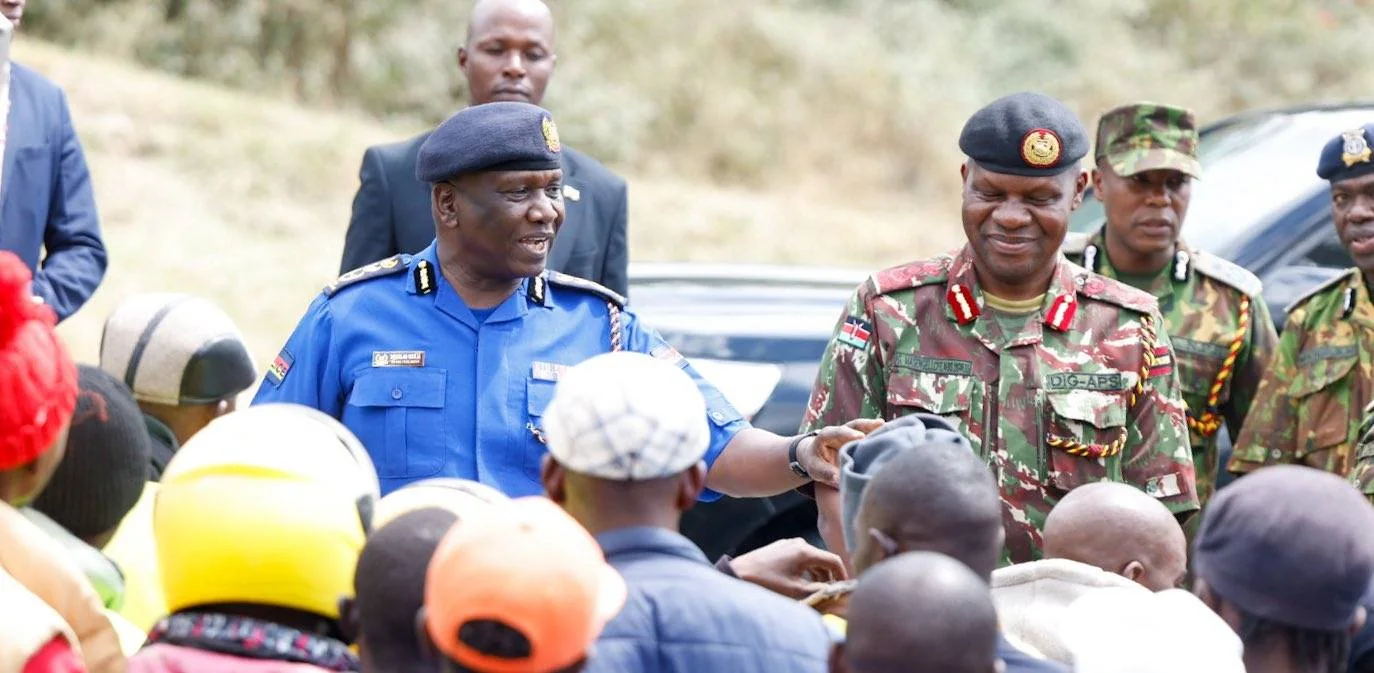
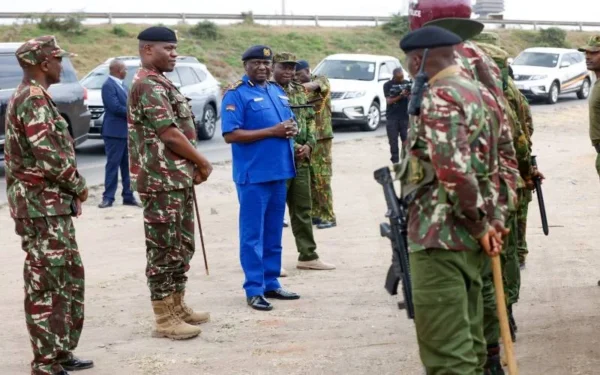 IG Douglas Kanja, in blue, during a security assessment in Nairobi and Kitengela. (Photo: NPS)
“The security of our country is a collective responsibility for all of us. We cannot say that it’s one part to ensure that we are secure. All of us must do whatever is reasonably possible to ensure that our country remains safe and secure,” he said.
He added that his inspections showed most areas were calm, with commanders reporting that operations were running smoothly.
Despite his remarks, tension flared in several areas. In Githurai along Thika Road, police lobbed tear gas canisters to disperse a group of demonstrators protesting against restrictions on movement into Nairobi’s CBD.
The protesters had opposed police efforts to block them from accessing the city centre, prompting officers in uniform and plain clothes to intervene and restore normalcy along the busy road.
In Kitengela, at least 29 youths were arrested over allegations of incitement ahead of the planned demonstrations.
Among those arrested was Aslam Longton, one of the widely known “Kitengela Three” who were abducted and held incommunicado for more than a month in August 2024.
Police also detained a vehicle belonging to his brother, Jamil Longton, which Aslam was reportedly driving when he was arrested.
Human rights activist Bob Njagi, who was arrested on Wednesday, was expected to appear before the Kajiado Law Courts on Friday over allegations of incitement linked to the protest anniversary.
Witnesses said four police vehicles followed the group before officers intercepted them near KCB Bank along Namanga Highway and arrested them.
Security agencies accused Aslam of mobilising and inciting youths to participate in the demonstrations.
Kajiado County Police Commander Alex Shikondi confirmed the arrests and said investigations were ongoing. Kanja, who visited Kitengela during the security checks, said the area remained calm.
 Police vehicles outside Parliament Buildings, Nairobi. (Photo: Amina Wako)
“We are here in Kitengela, and everybody can be able to see that Kitengela is very quiet. People are continuing with whatever they are doing peacefully,” he said, praising residents and security officers for maintaining peace in the area.
Kanja also said other parts of the country had remained calm, including Mombasa.
He defended the barricades placed on major roads leading into Nairobi, saying the move was based on intelligence reports of possible attempts to cause chaos.
“What we are doing is what we refer to as intelligence-led policy, so if indications are indicating that there are those who are trying to come and introduce trouble in Nairobi and elsewhere, we will not allow that to happen,” Kanja said.
He added that police had gathered information from various security agencies and were acting on available intelligence.
“Police do not work alone, we work with others, we work with you people, we work together with other security providers. So we have got a lot of information and intelligence on what is to happen. So, on whatever kind of actions you see NPS taking, it is because it is located by the available information shared by you,” he said.
He indicated that arrests made during the protests would follow due process, with suspects either charged in court or released if there was insufficient evidence.
“I don’t know the numbers because we have yet to start getting reports from the field. But if there is any person who has been arrested by the police, due process must be followed, whereby the available evidence is reviewed. If it can be established that they have a case to answer before a court of law, then they will be taken to court. If that is not the case, then they will be set free immediately,” he said.
He also assured Kenyans that security would be maintained even after nightfall.








































Comments
Sign in with Google to comment, reply, and like comments.
Continue with Google