Traffic police officers have received new breath-testing equipment to strengthen the enforcement of drink-driving laws as Kenya seeks to curb road crashes linked to alcohol-impaired driving.
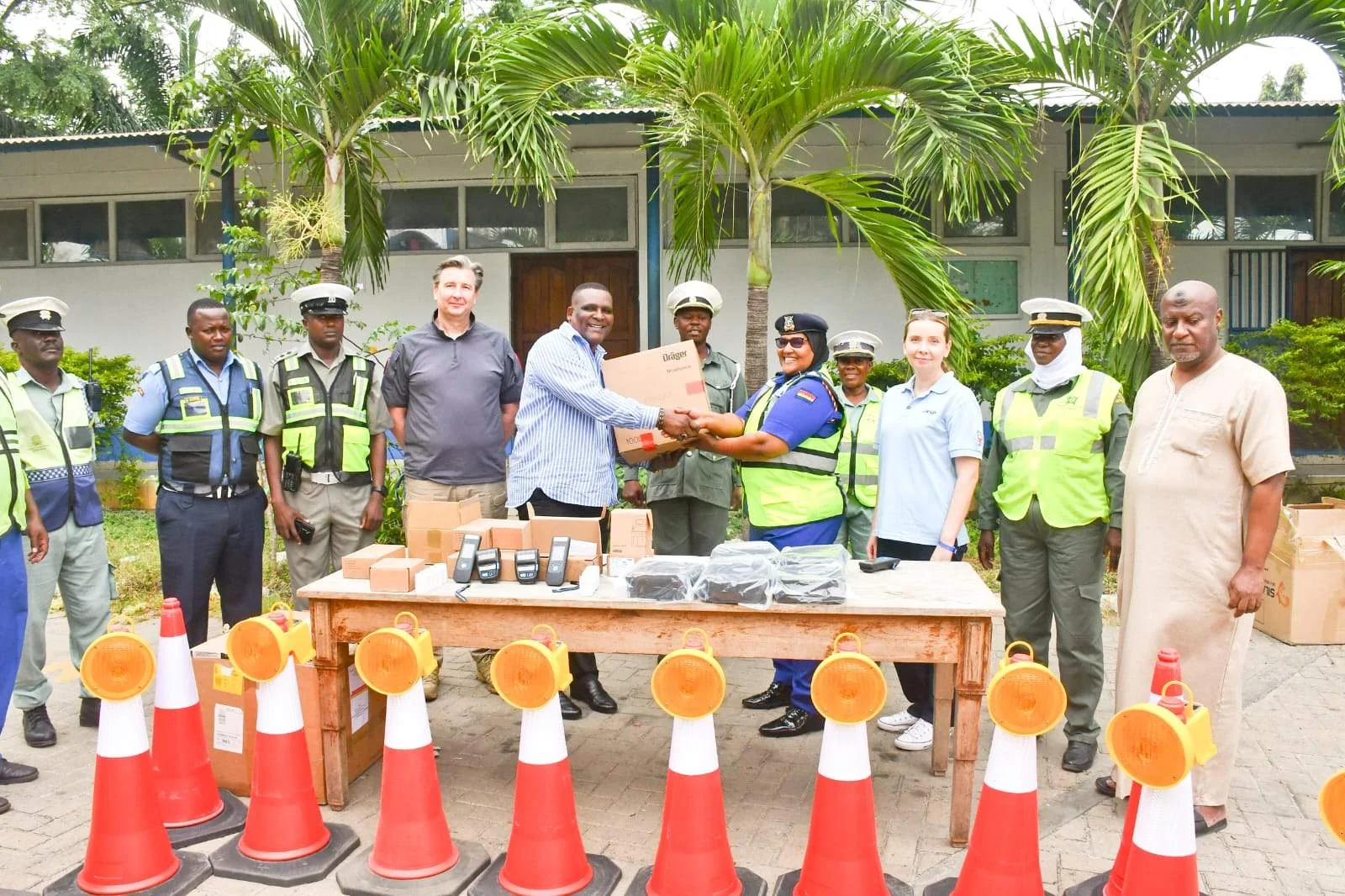
The equipment, handed over under the Bloomberg Philanthropies Initiative for Global Road Safety (BIGRS), includes 40 Drager Alcotest 7000 breathalysers, 20 mobile printers, 20 traffic cones and 20 warning lights.
The devices will be used during the training of traffic officers before being deployed in roadside sobriety checks.
The equipment is intended to support the detection of motorists suspected of driving under the influence of alcohol, one of the leading behavioural risk factors associated with road traffic crashes.
The handover forms part of an ongoing programme that has been training traffic police officers and other road safety stakeholders on the enforcement of key traffic offences, particularly speeding and drink-driving.
Vipul Patel, Bloomberg Philanthropies Initiative for Global Road Safety (BIGRS) Initiative Coordinator, said effective enforcement remains one of the most successful measures for reducing deaths and injuries on the roads.
"Effective enforcement is one of the most proven interventions for reducing road traffic deaths and injuries. By equipping law enforcement officers with modern drink-driving enforcement tools and strengthening their capacity to use them effectively, we are supporting evidence-based policing that helps save lives. This equipment handover demonstrates our continued commitment, together with the National Police Service and our partners, to building safer roads and advancing Kenya's road safety goals under the Bloomberg Philanthropies Initiative for Global Road Safety," Patel said.
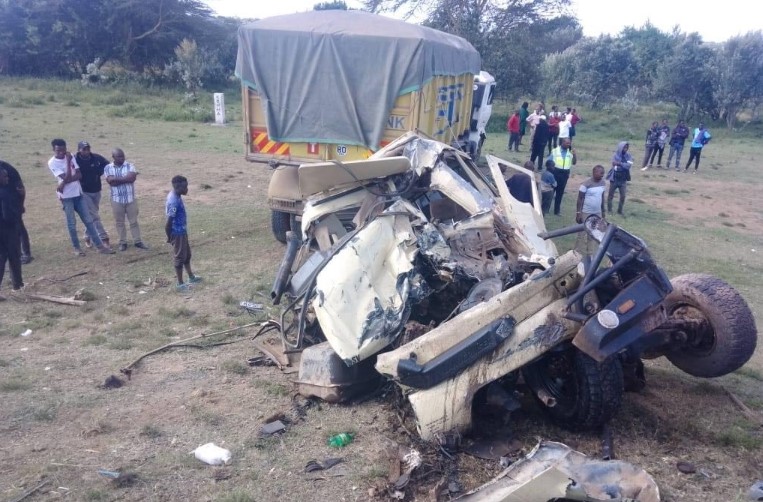
Kenya continues to record thousands of road crashes every year, with speeding, drink-driving and other risky road user behaviour remaining among the main causes of fatalities and serious injuries.
Authorities have in recent years intensified enforcement campaigns targeting motorists who drive under the influence of alcohol as part of broader efforts to improve road safety.
The latest equipment is expected to be used in both training and operational roadside enforcement, providing officers with tools to carry out alcohol testing during traffic operations.
The initiative also seeks to improve the consistency and accuracy of drink-driving enforcement while supporting wider efforts to reduce preventable deaths and injuries on Kenyan roads.










































Comments
Sign in with Google to comment, reply, and like comments.
Continue with Google