Turkana eyes stronger peace push as EU-backed project targets conflict, climate threats
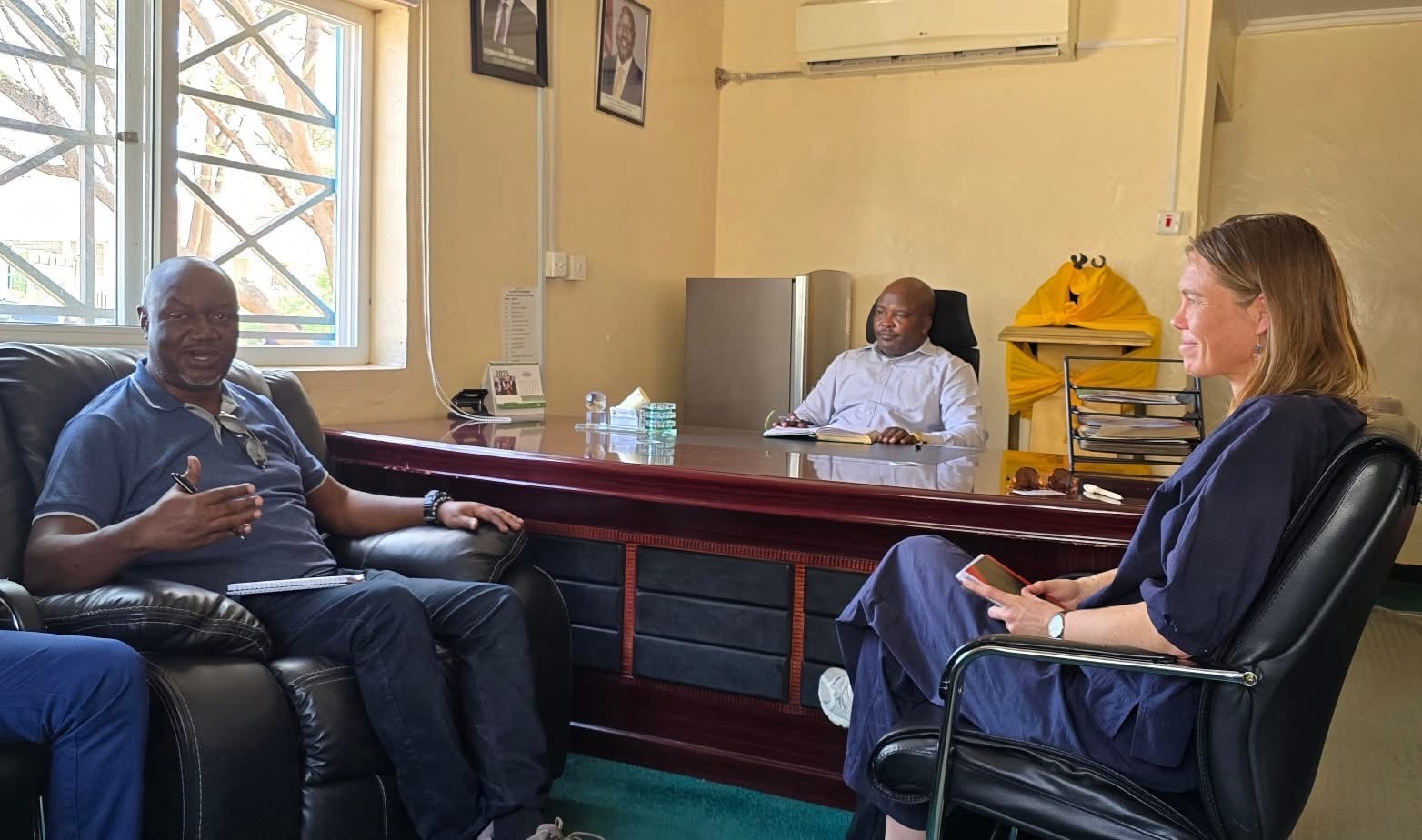
The meeting focused on expanding joint interventions that support communities grappling with conflict, drought, and the escalating impacts of climate change across Turkana and the wider Karamoja Cluster.
The Turkana County Government has welcomed deeper collaboration with DanChurchAid (DCA) and partners implementing the EU-funded SPREAD Project, a programme designed to promote peace, resilience, and disaster risk reduction in border communities long affected by insecurity and climate shocks.
More To Read
- UNICEF, Save the Children hail Turkana’s progress in tackling malnutrition
- Kenya, UK celebrate success of Sh3.6 billion REINVENT security programme after seven years
- Wajir MCAs demand answers over rising abductions after two men vanish
- Turkana marks World AIDS Day with stark warning over rising HIV infections
- Review meeting highlights barriers to immunisation, maternal health in Turkana
- Murkomen warns politicians against deploying supporters to by-election tallying centres
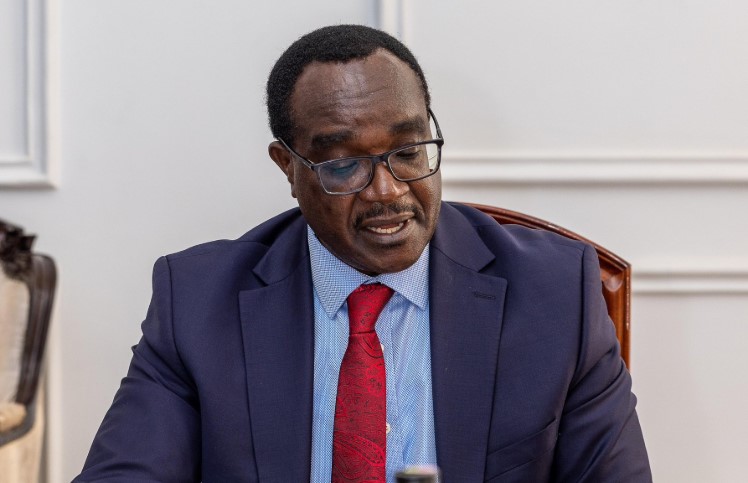
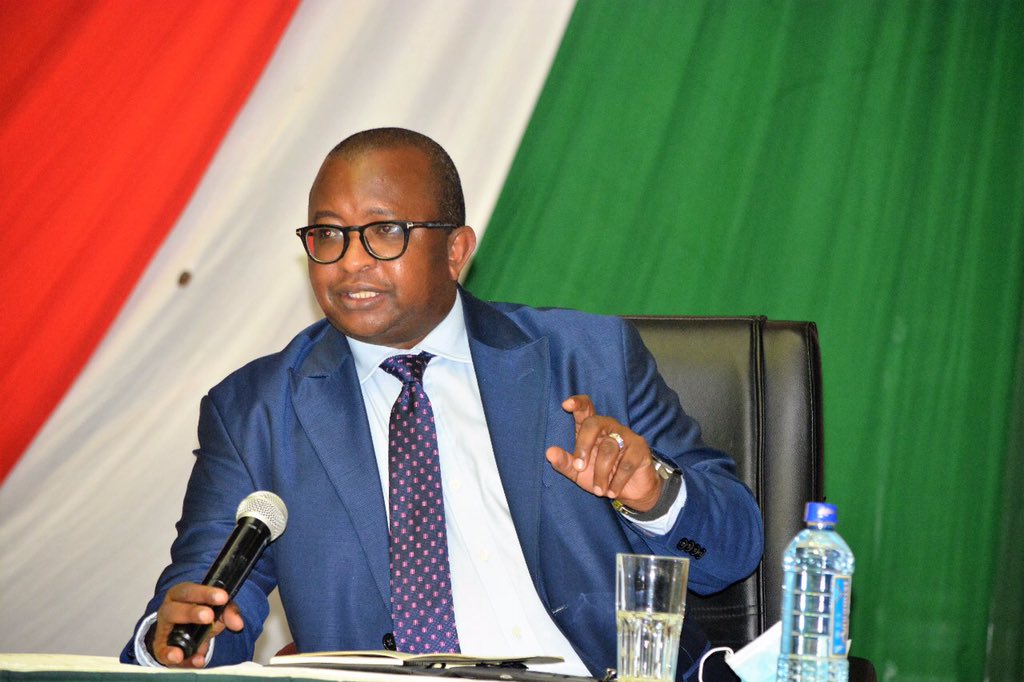
Chief Officer in the Office of the Governor, Moses Korea, hosted a high-level DCA delegation led by Tina Breum Mariegaard, Head of Global Partnerships and Resource Mobilisation at the organisation's global office in Copenhagen.
The meeting focused on expanding joint interventions that support communities grappling with conflict, drought, and the escalating impacts of climate change across Turkana and the wider Karamoja Cluster.
Mariegaard noted that the SPREAD Project aims to strengthen peacebuilding structures, bolster disaster preparedness, and enhance resilience by working closely with county governments and borderland communities.
"Our focus is to ensure long-term impact by supporting local systems, strengthening community peace structures and improving disaster response," she said.
Turkana sits at the heart of one of East Africa's most fragile border zones, where competition over grazing land and water has historically fuelled deadly conflicts among pastoralist communities.
Recurring droughts, prolonged dry spells, and shifting weather patterns, driven by climate change, have intensified these tensions, pushing communities deeper into vulnerability.
Livestock raids, resource-driven clashes, and the movement of armed groups across the porous borders with Uganda, South Sudan, and Ethiopia have further complicated peace efforts.
County authorities and partners now warn that without stronger resilience and cross-border cooperation, climate pressures could undo gains made in stabilising the region.
Chief Officer Korea applauded DCA and partners for sustained peacebuilding work that has helped ease cross-border tensions and strengthen relationships among Turkana, Pokot, Karamojong and other neighbouring communities.
"We have seen real progress in cross-border peace. Communities are now trading and sharing grazing resources more freely. This shows that peacebuilding efforts are bearing fruit," he said.
He added that Governor Jeremiah Lomorukai remains fully committed to supporting peace initiatives and expects greater coordination among actors working in the region.
"Governor Lomorukai believes peace is central to resilience. We will continue to work together through a multisectoral approach, especially as climate change increasingly affects grazing lands and livelihoods," Korea added.
Korea thanked DCA and its local implementing partner, TUPADO, for their sustained role in building resilience through peace committees, community dialogues, and disaster preparedness training.
He assured the delegation of the County Government's commitment to jointly advancing peace and development across the region.
The visiting team included Richard Onyancha (SPREAD Consortium Manager, DCA Kenya), Irene Kibon (Programme Coordinator, DCA Kenya), and Dr David Kang'ole (Head of Programmes, TUPADO Kenya).
As climate shocks deepen and border tensions persist, county officials say collaboration with organisations like DCA will be essential to maintaining peace gains and safeguarding livelihoods in one of Kenya's most vulnerable regions.
Top Stories Today