Somali Government launches nationwide census of Quranic schools
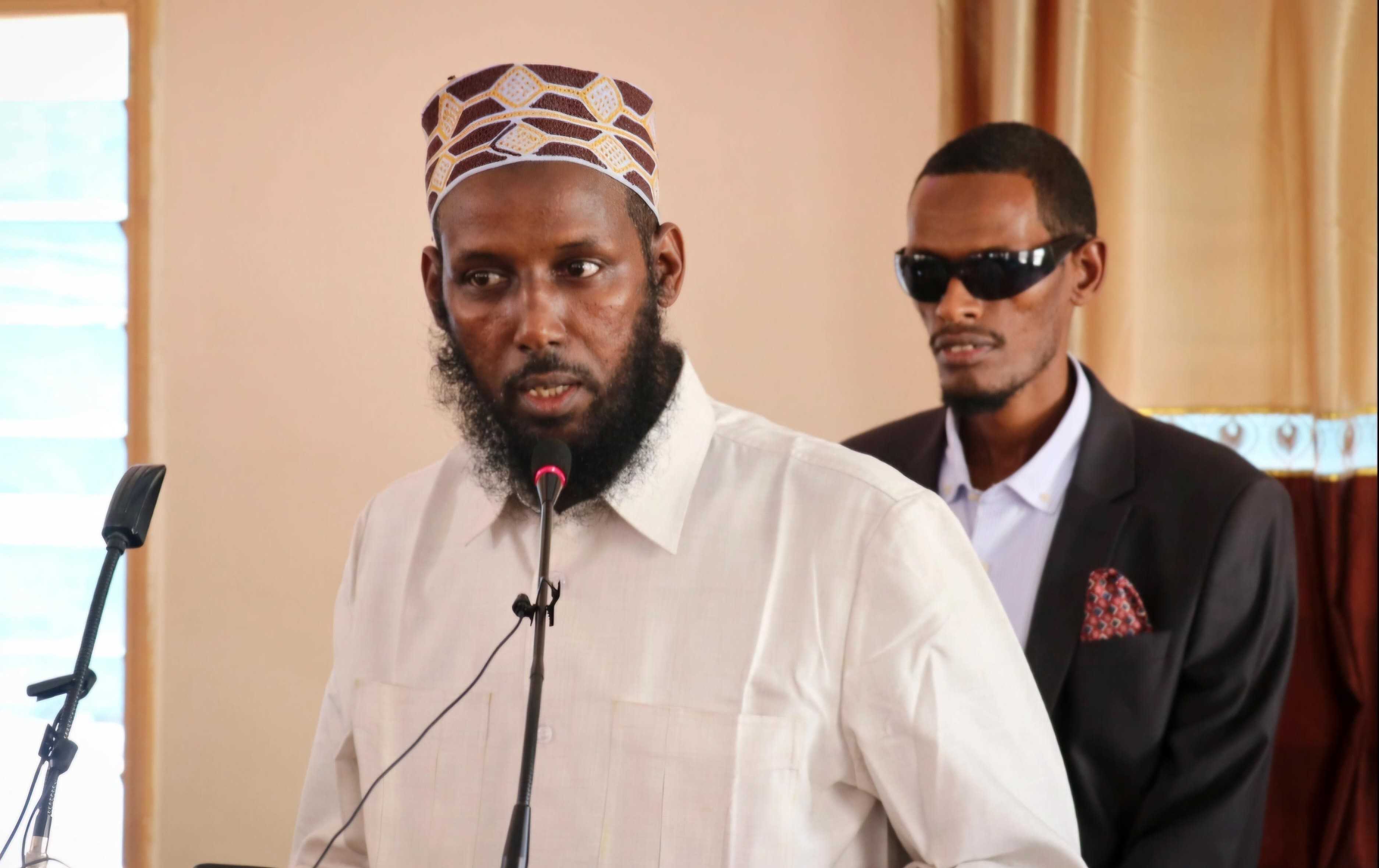
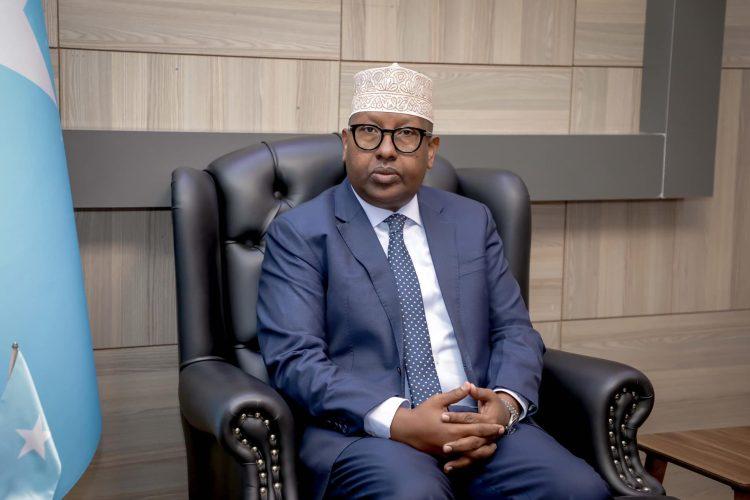
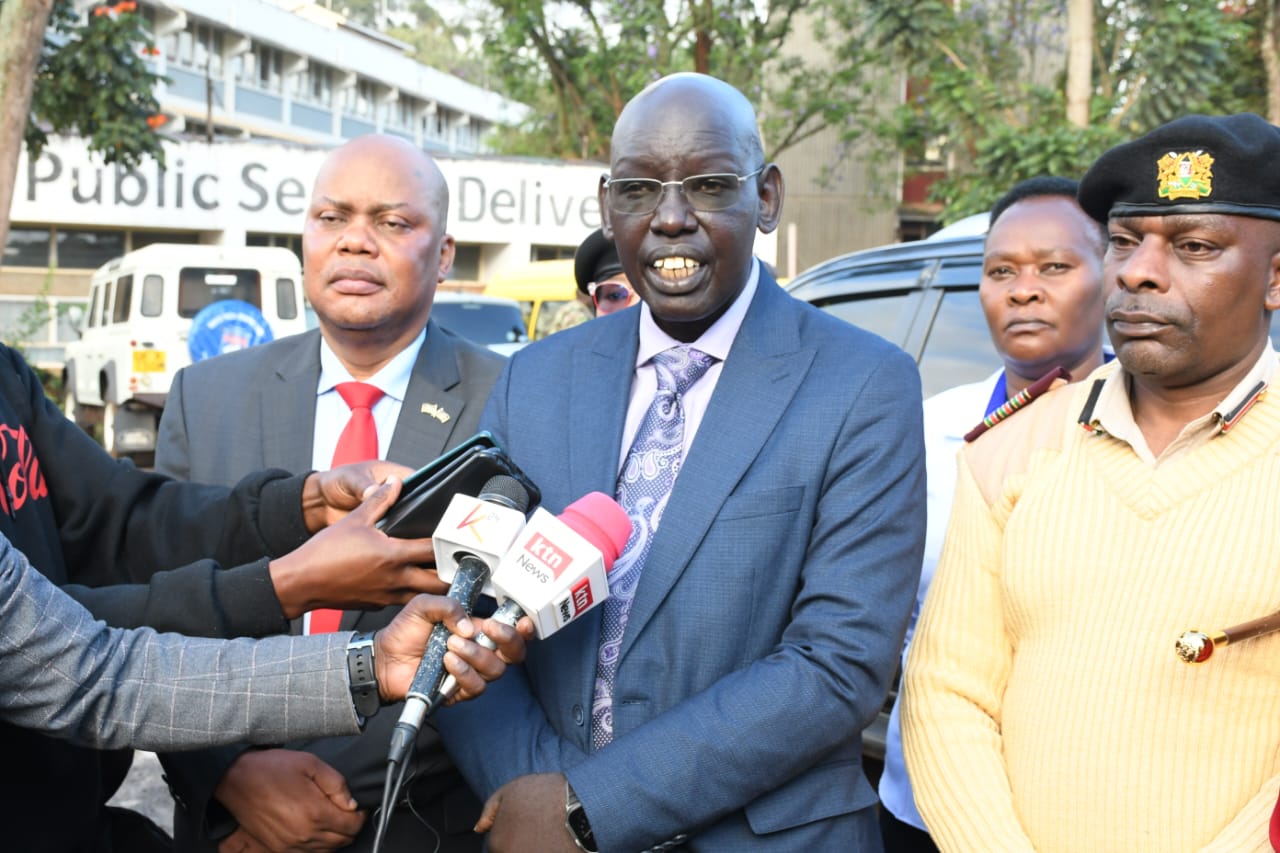
Minister of Endowments and Islamic Affairs Sheikh Mukhtar Robow Ali said the ministry wants to gather reliable information that will help shape future planning and guide the distribution of resources.
The Somali Ministry of Endowments and Islamic Affairs has started a nationwide census of Quranic schools in an effort to understand their current situation and identify the support they need.
The exercise, which began on Wednesday, follows growing concerns about the state of many Quranic learning centres, including their locations, facilities, and the conditions under which students study.
More To Read
- Large turnout in mosques as Muslims in Eastleigh mark first Friday of Ramadan
- Hundreds visit Jamia Mosque to experience Islam faith, teachings as it hosts 7th open day
- Mandera County to incorporate Quran teachings into ECDE learning in policy shift
- Ekaha Beitate wins International Quran competition in Eastleigh
- KDF Muslims unite in sacred Ramadan worship
- First Friday of Ramadan: Eastleigh's streets filled with worshippers
Minister of Endowments and Islamic Affairs Sheikh Mukhtar Robow Ali said the ministry wants to gather reliable information that will help shape future planning and guide the distribution of resources. He explained that the ministry has received many complaints about Quranic schools operating in unsuitable places, and that the government now aims to document these issues in a structured way.
Speaking to the media, Minister Robow said the ministry is committed to evaluating every Quranic school and understanding the situation of teachers and students.
“The ministry is conducting a census of Quranic schools. Even the President of the Republic said during a meeting with scholars that many of these schools are located in inappropriate places. We will review the teachers and their circumstances,” he said.
The minister noted that Quranic schools have not yet received a dedicated budget from the federal government. However, he emphasised that the intention of the government is to support the development of these schools within the limits of available resources. He said the ongoing assessment will help determine what kind of assistance is required and how it can be delivered.
Quranic schools play a central role in basic religious education across Somalia. They are often the first place where children learn to read and write, and they continue to be widely used in both urban and rural areas.
Despite their importance, many schools have been criticised for operating in cramped spaces, temporary structures, or locations that are not suitable for learning. The census aims to create a full picture of this situation so the government can begin to address it.
During his remarks, Minister Robow also raised concerns about the behaviour of some parents toward children enrolled in Quranic schools. He highlighted what he described as unequal treatment between children attending religious schools and those going to formal education institutions. He said the difference is often visible in the clothing children wear and in the general care they receive.
“Some people do this. For example, a child attending a Quranic school is sent wearing old clothes from home, while a child going to formal school is given clean, ironed, well-sewn clothing. We want parents to value Quranic education and dress their children with dignity,” he said.
The minister added that such behaviour undermines the significance of Quranic education and sends a negative message to children. He said parents should understand that all forms of education require respect and that the appearance and well-being of children should not depend on whether they attend a religious or a formal school.
Over the past years, religious scholars and community leaders have repeatedly urged the federal government to reform and strengthen the Quranic education sector. They have pointed to challenges such as unqualified teachers, lack of resources, and poor infrastructure. Some have also called for a unified curriculum that would allow for consistent standards across the country.
Top Stories Today